
Labradors are among the most frequently crossed breeds in the US, a status tied to their three-decade run as the AKC’s most-registered breed. The result depends heavily on which breed is on the other side of the cross. Labrador mix breeds combine the Lab’s trainability and social temperament with traits from another breed entirely, and what a Labrador mix actually looks like in temperament and health varies by pairing more than most buyers expect.
The Goldador (Labrador x Golden Retriever) is consistently the most popular Labrador mix. It combines the Lab’s physical robustness with the Golden’s softer temperament. Other popular Labrador mix breeds include the Boxer Lab mix (Boxador), the Rottweiler Lab mix (Labrottie), the German Shepherd Lab mix (Sheprador), the Labrador Husky mix (Huskador), the Pitbull Lab mix (Labrabull), the Borador, the Blue Heeler Lab mix, the Lab Poodle mix (Labradoodle), and the Black Mouth Cur Lab mix. The Mountain Cur Lab mix rounds out the working-dog crosses.
What to Know About Labrador Mix Breeds Before You Choose One

The “hybrid vigor” argument for Labrador mix breeds is real but often overstated in marketing that implies any mix is automatically healthier than a purebred. A first-generation (F1) cross lowers the chance of being homozygous for a single-breed recessive mutation. That can reduce the expression of some breed-specific inherited conditions — but it does not touch polygenic conditions like hip dysplasia, which both parent breeds can pass on independently.
It does not eliminate multi-breed risk, though. A Goldador still inherits hip dysplasia risk from both the Lab and Golden Retriever lines. “Hybrid” is not shorthand for “healthier.”
Trait predictability across Labrador mixed breeds is genuinely uncertain. A 50/50 split means which parent’s traits dominate is unpredictable per puppy, and sometimes per litter. An F1 Goldador may behave almost identically to a purebred Lab, almost identically to a Golden Retriever, or fall somewhere between.
Buyers who need predictability should look at multi-generation breeding (F2 or F3) or skip Labrador mix breeds and buy purebred. Buyers comfortable with a range of outcomes can do well with F1 crosses from health-tested parents. A cute F1 litter photo tells you almost nothing about how any individual puppy will turn out.
Health testing still matters for any Labrador mix, designer label or not. The AKC notes that hybrid vigor reduces the odds of single-breed recessive conditions but does not replace health screening — responsible breeders still test both parents for their respective breed-specific conditions. From the Lab parent side, that means OFA or PennHIP hips, OFA elbows, and a CAER eye exam at minimum.
The other parent’s breed-specific clearances matter too. A breeder who skips hip, elbow, or EIC (exercise-induced collapse) documentation on the Lab side “because it’s just a mix” is not a responsible breeder.
Most Labrador mix breeds inherit the Lab’s large-breed size and high energy — the majority of Lab crosses mature well past 50 lbs. The assumption that a mix will be calmer or smaller than a purebred Lab is frequently wrong. High-drive crosses like the German Shepherd Lab mix or the Labrador Husky mix can exceed a purebred Lab in energy output, since both the GSD’s working/herding drive and the Husky’s sled-dog stamina are bred for sustained, high-output activity.
The Goldador (Labrador x Golden Retriever)

The Goldador dog is the most popular Labrador mix — and the most predictable. Labs and Golden Retrievers share a closely related retriever heritage: similar size, energy level, and trainability. That overlap means this golden retriever Labrador mix produces a more consistent result than most other Labrador mix breeds.
A typical Goldador is sociable, highly trainable, energetic, and good with children. The coat is usually medium-length — thicker than a Lab’s but shorter and less feathered than a Golden’s. The Golden’s temperament often softens the cross slightly, producing a dog that’s a touch more biddable than the average field-line Lab.
Adult weight runs 55–80 lbs, in line with both parent breeds. Hip and elbow dysplasia risk exists from both sides. OFA clearances from both the Lab and Golden parents matter before you commit to a breeder.
Cancer risk from the Golden Retriever side is also worth factoring in. The Morris Animal Foundation’s Golden Retriever Lifetime Study puts lifetime cancer incidence in Goldens at roughly 60% — one of the highest rates of any breed. The Goldador’s health profile isn’t simply the Lab’s health profile. For a full Goldador profile, see Goldador.
The German Shepherd Lab Mix (Sheprador)
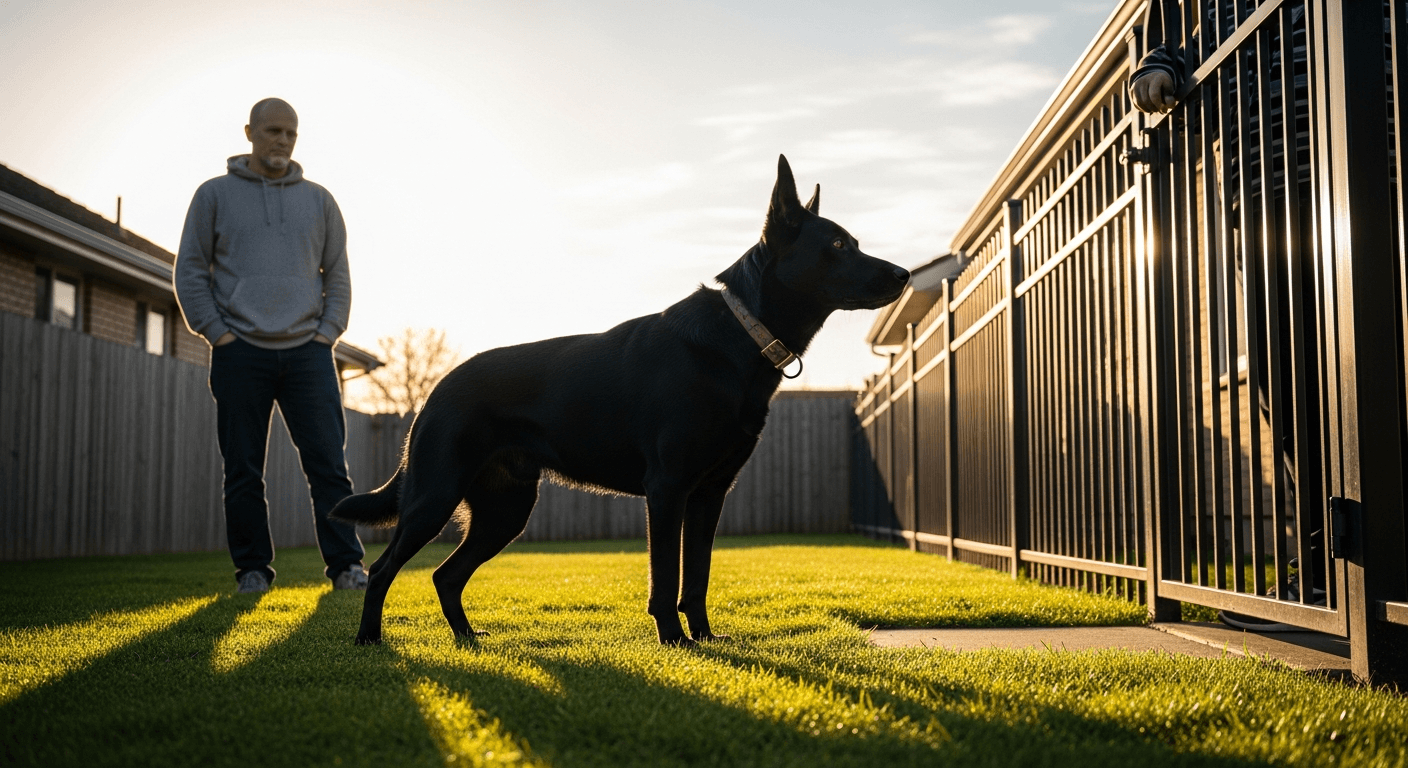
The German shepherd Lab mix is one of the most common large-breed Labrador mix breeds in the US. It’s also one of the more demanding to own. Unlike the Goldador, Labs and German Shepherds bring quite different temperaments to the pairing, which makes this cross noticeably less predictable.
Some Shepradors are strongly Lab-like: open, social, food-motivated, and straightforward to train. Others lean toward the German Shepherd side — more wary of strangers, more territorial, with a stronger protective instinct. Both outcomes come from the same first-generation cross, so meeting the individual puppy and both parents helps but doesn’t remove the uncertainty.
Energy runs high on both sides, like most Labrador mix breeds. A Sheprador with strong Shepherd influence is not a manageable apartment dog or a good fit for a sedentary owner.
Both parent breeds shed heavily, and this cross blows coat seasonally in volume that can match or exceed a purebred Lab. Health risks include hip dysplasia from both lines and degenerative myelopathy, a progressive neurological condition the Merck Veterinary Manual links to German Shepherd bloodlines.
A DNA test for the degenerative myelopathy mutation is available. For a full Sheprador profile, see German Shepherd Lab Mix.
The Labrador Husky Mix (Huskador)
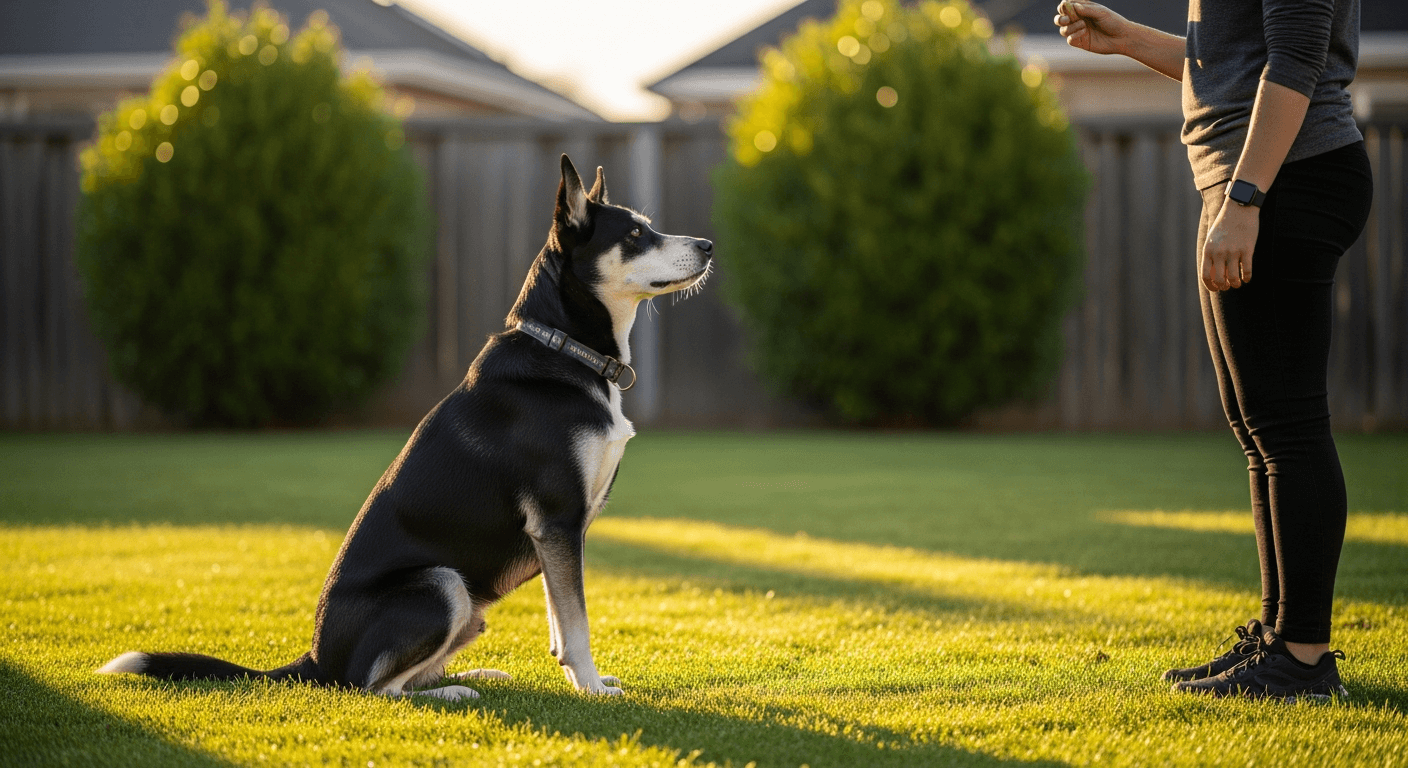
The Labrador Husky mix combines two highly energetic, social breeds with opposite training profiles — one of the more challenging Labrador mix breeds to raise. Labs are food-motivated dogs that respond readily to positive reinforcement. Siberian Huskies are independent sled dogs bred to work for long stretches without constant handler direction, and they can be stubborn and less food-driven.
The Huskador temperament is usually friendly and social with people, a trait both parents share. What varies is how much of the Husky’s independence carries through. A Huskador that leans toward the Lab’s food motivation is relatively easy to train.
One that leans Husky requires an owner comfortable with inconsistent recall and sustained mental engagement rather than simple obedience. Exercise needs are very high — both parent breeds need 2 or more hours of real activity daily, not casual walks. This cross is a poor match for apartment living without a serious outdoor commitment.
Huskies are known escape artists with a strong prey drive, a trait a Huskador may inherit, so secure fencing matters. Blue or bi-color eyes from the Husky side are common and one of this cross’s most distinctive features. For a full Huskador profile, see Labrador Husky Mix.
Other Common Labrador Mixes Worth Knowing
Labradoodle (Lab x Poodle): the most recognizable designer dog in the US among Labrador mix breeds. The appeal is a low-shedding, Lab-like dog, but in F1 crosses the coat type is highly variable.
A Labradoodle may shed nearly as much as a Lab or nearly as little as a Poodle. There is no reliable way to predict which per puppy. Multi-generation Labradoodles (F2+) bred for coat type are more predictable but further from a true 50/50 cross.
Borador (Lab x Border Collie): an intense pairing among Labrador mix breeds. Border Collies are working dogs that need constant mental stimulation and can develop obsessive herding habits without an outlet. Combined with the Lab’s high energy, the Borador isn’t suited to first-time owners or low-activity households — but it thrives with an experienced, active one.
Springador (Lab x Springer Spaniel): friendly, energetic, and highly trainable. Both parent breeds are sporting dogs with similar temperaments, so this cross is one of the more manageable Labrador mixed breeds. It’s good-natured and responsive to training, though shedding is significant from both sides.
Across every Labrador mix breed on this list, the Lab’s social temperament and trainability tend to carry through reliably. What varies — unpredictably, in first-generation crosses — is how much of the other parent breed shows up. Research both parent breeds as if you might get either one entirely; that preparation covers the full range of outcomes.
Smaller, Hound, Gun-Dog, Giant, and Working Lab Crosses
We now profile a newer set of crosses. They fall into four groups, and each group has one problem that matters more than size.
Short-legged and small parents come first. A Labrador Dachshund mix or a Corgi and Lab mix can inherit a long, low back, so ramps, a lean weight, and no jumping matter more than a walk count. A Chihuahua and Lab cross starts with a breeding question: the Lab has to be the dam.
Scent hounds change the recall. A Beagle Lab mix brings a baying voice, and a Bloodhound Lab mix brings drool, heavy ears, and a nose that outranks any cue. Both need a leash or a long line outside a fence, which sets them apart from most Labrador mix breeds.
Gun-dog crosses want a job. A Pointer Lab mix, a Vizsla Lab mix, and a Cocker Spaniel Lab mix share bird drive, so recall around game stays hard. The Vizsla cross adds a velcro habit, and the Cocker cross adds ears that need a weekly check.
Giant crosses are a housing decision. A Mastiff Lab mix, a Great Dane Lab mix, a Newfoundland Lab mix, and a Bernese Lab mix outgrow a sedan and a Lab-size crate. Bloat, slow-closing growth plates, and shorter-lived parents on the Dane and Bernese side are the questions to ask about these giants.
Guardian and herding crosses are a temperament decision. A Great Pyrenees Lab mix, a Cane Corso Lab mix, a Doberman Lab mix, and an Akita Lab mix can inherit a watchful, territorial streak that most Labs lack, and a Chow Lab mix is often reserved with strangers. An Aussie Lab mix, a Belgian Malinois Lab mix, and a Catahoula Lab mix add herding or working drive that needs a daily job. A Dalmatian Lab mix adds endurance and two parent health questions: hearing and urinary stones.
Frequently Asked Questions: Labrador Mix Breeds
What is the most popular Labrador mix?
The Goldador (Lab x Golden Retriever) is consistently the most popular of all Labrador mix breeds. The two retriever breeds share enough in common that the cross is more predictable than most, producing a sociable, trainable, family-friendly dog. The Labradoodle is arguably more widely recognized by name.
Are Labrador mixes healthier than purebred Labs?
First-generation Labrador mix breeds may have reduced expression of some breed-specific conditions through heterozygosity — a real but modest effect, not a guaranteed health advantage. Mixes can still inherit conditions from both parent breeds, so health testing of both parents matters regardless of whether the dog is mixed or purebred.
Are Labrador mix breeds good family dogs?
Most Labrador mix breeds inherit the Lab’s social, gentle temperament to a real degree, which makes many of them good family dogs. The specific mix matters: a Goldador or Springador is more reliably family-friendly than a Sheprador or Huskador. Always meet both parents first.
Do Labrador mixes still shed a lot?
Yes — most Labrador mix breeds are heavy shedders. The Lab’s double coat is typically a dominant trait, and the most common crosses (Goldador, Sheprador, Huskador) are all large, double-coated dogs. The Labradoodle is the exception, where low shedding is possible but not guaranteed in F1 crosses.
Can you predict what a Labrador mix puppy will look like as an adult?
Only partially, in first-generation crosses. Which parent’s physical traits dominate varies by puppy within the same litter. Meeting both parents gives you a realistic range of outcomes, and multi-generation breeding programs produce more predictable results.
Lab mixes carry the Lab’s best traits into a range of temperament combinations. The real question for any Labrador mix is which parent breed contributes the challenges. Research both parents, require health testing from both lines, and read our full Labrador Retriever breed guide before you choose.