Labrador Service Dog: Why Labs Excel and What Training Takes
A labrador service dog is a Lab that has been individually trained to perform tasks directly related to a person’s disability, which is how the ADA defines a service dog….

Labradors are smart, eager, and built to learn — but they need consistent, positive guidance from day one. We cover basic commands, puppy training, behavior fixes, and everything in between, with step-by-step guides built specifically for the Lab temperament.
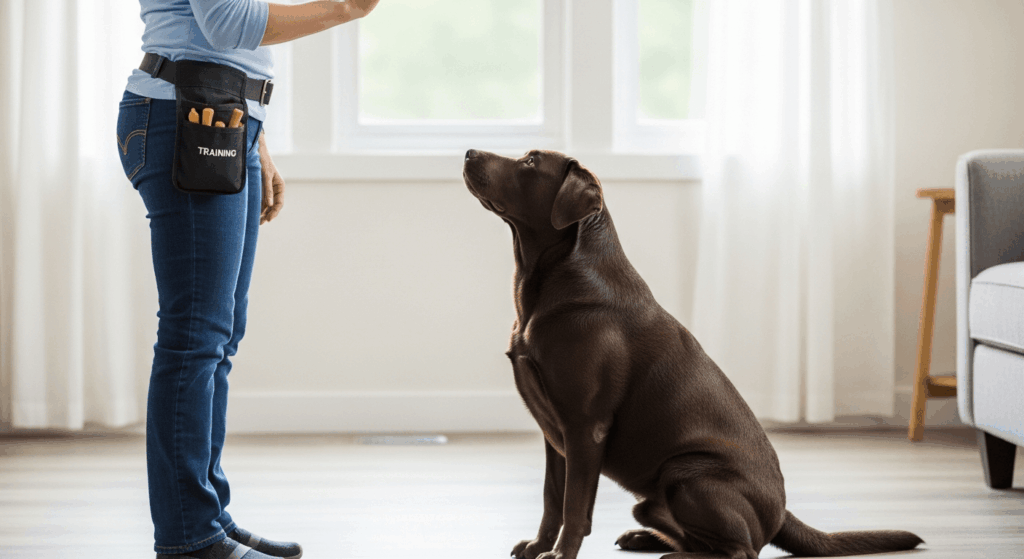
Start here
Sit, stay, recall, and manners — puppies and adults.
Read the complete guide →
A labrador service dog is a Lab that has been individually trained to perform tasks directly related to a person’s disability, which is how the ADA defines a service dog….

Are labrador retrievers easy to train? Yes. Labs are eager, food-motivated, and quick to learn, which is why so many trainers call them one of the easiest breeds to teach….

A labrador growth chart helps you compare your puppy’s weight with published estimates for males and females by age. Healthy puppies vary: follow your dog’s growth trend, ribs, and waist…

An 8 week old labrador puppy is usually leaving the litter for the first time — curious, mouthy, sleepy in short bursts, and not house-trained yet. Most Labs go home…
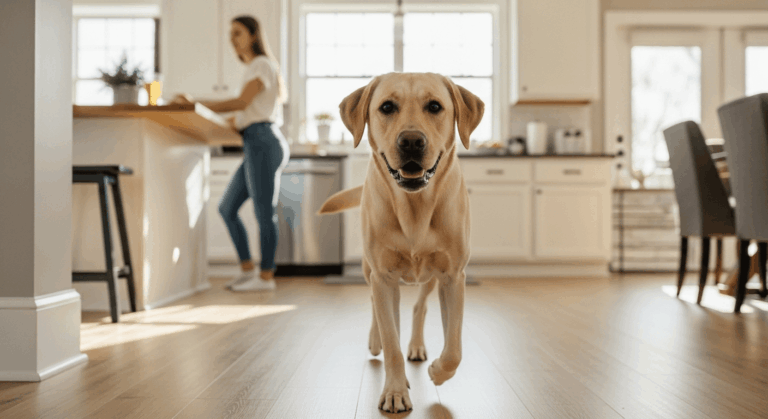
A 10 month old Labrador is entering the final stretch of puppyhood — and the teething, selective hearing, and counter-surfing of the past months were temporary, as promised. Between now…
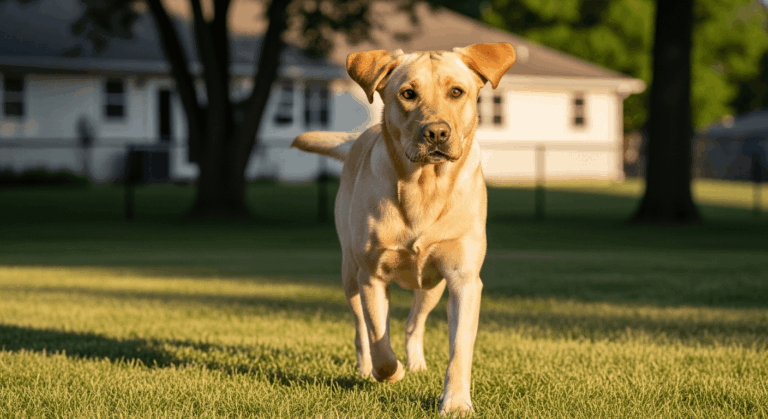
An 8 month old Labrador is in the middle of the adolescent tunnel, and most owners at this stage are asking one question: when does this end? The answer is…
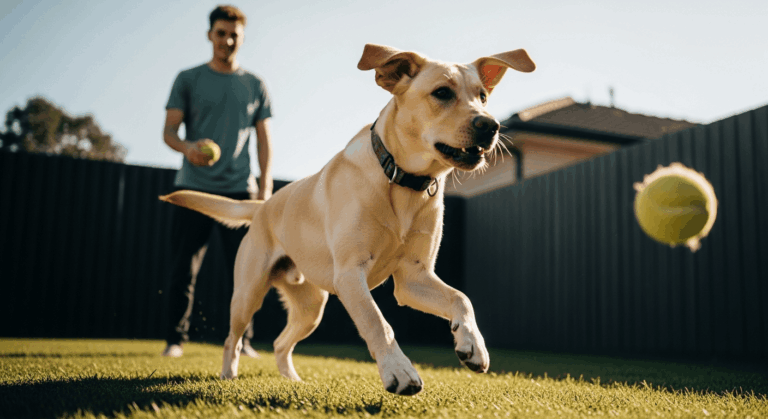
A 7 month old Labrador is usually at the absolute peak of adolescence. The dog looks nearly adult, runs at maximum energy output, and pays you the least attention it…
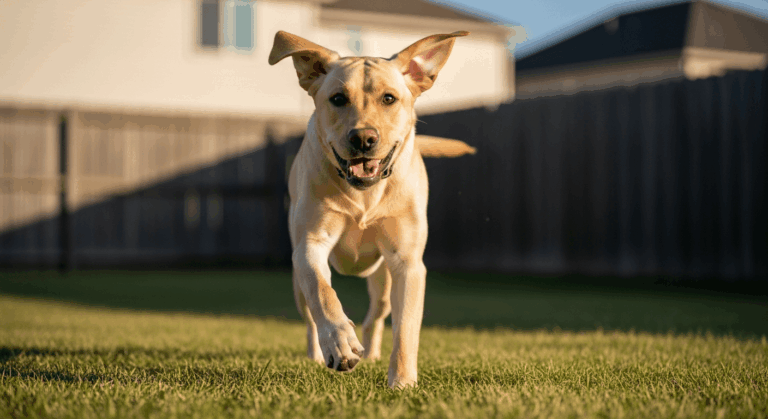
A 5 month old Labrador may still be changing teeth while becoming stronger, more curious and more easily distracted. Neither teething nor adolescent behavior follows an exact monthly boundary. Keep…

A 4 month old Labrador has just crossed a developmental line: the socialization window closed at 16 weeks, and the teething peak plus the first edges of adolescence are moving…
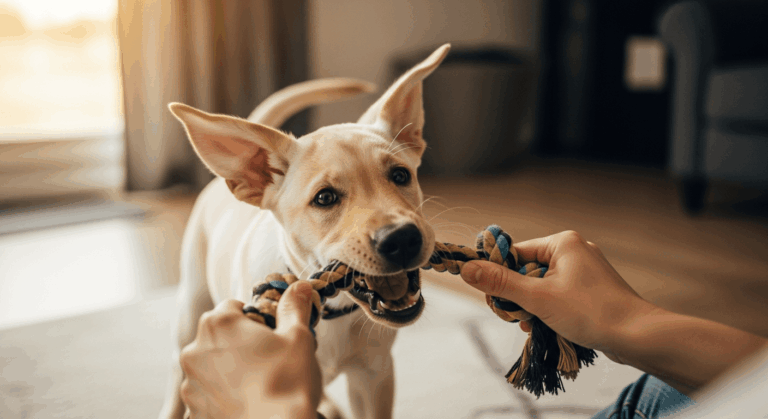
Labrador puppy behavior in the first months rarely matches the calm companion owners pictured. The puppy that seemed calm at the breeder’s is suddenly biting hands, sprinting into walls at…

Labrador puppy socialization should begin early: the first three months are the primary period for building comfort with people, animals, and everyday experiences. Early experiences matter, but learning does not…

A 3 month old Labrador is growing, learning and often becoming more interested in using its mouth. The first three months are particularly important for social experiences, but learning continues…