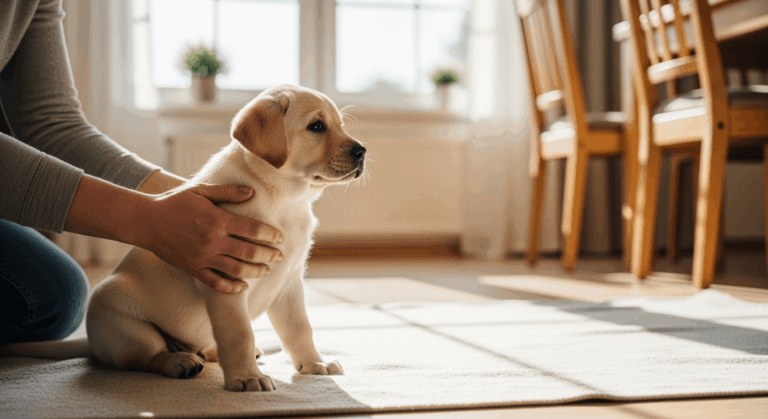
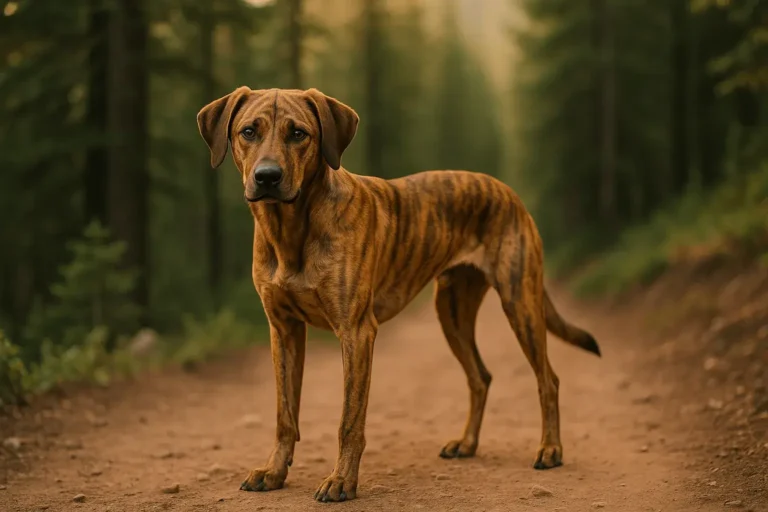
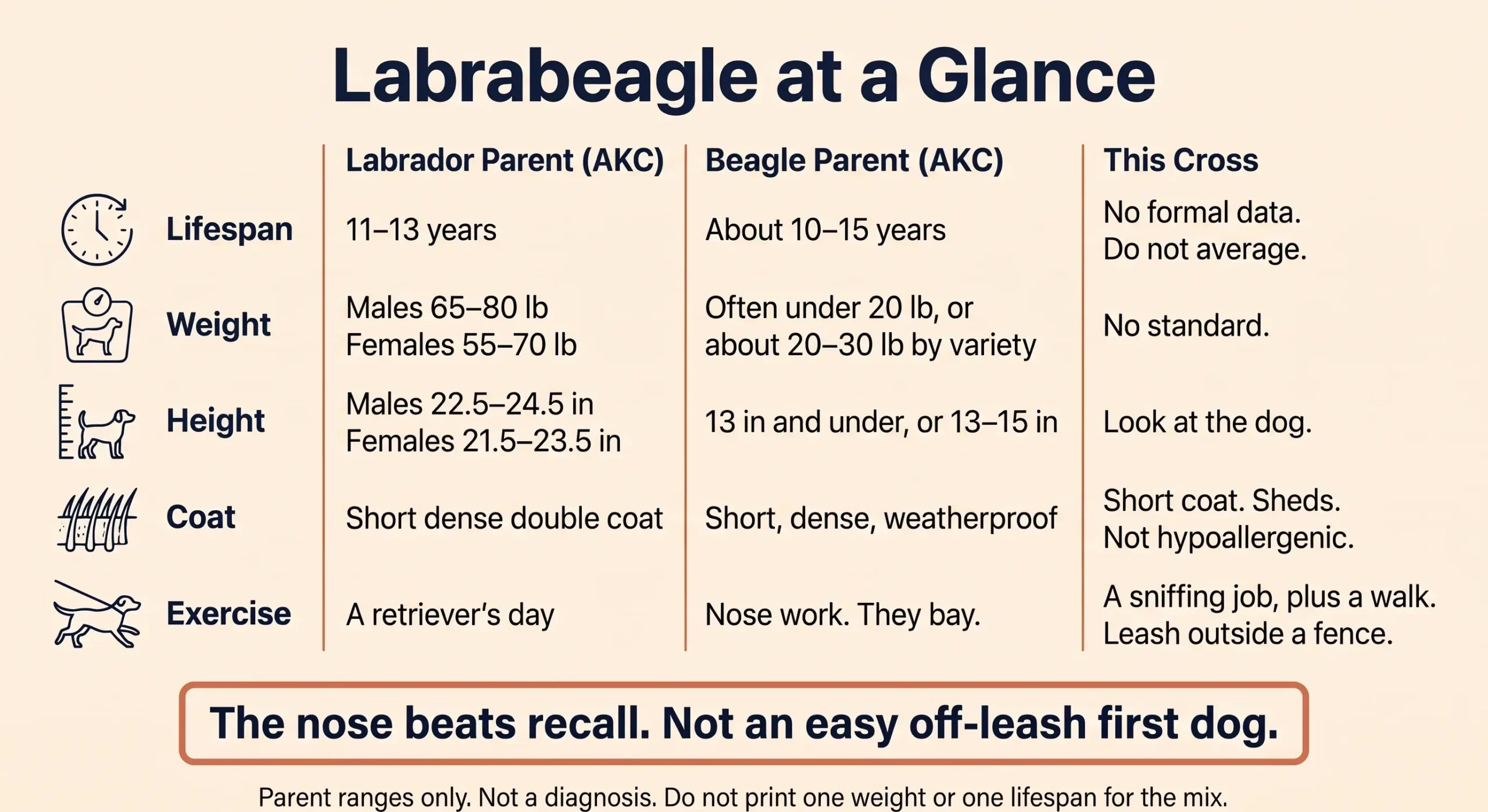
A labrabeagle has no set adult weight. Beagles come in two height varieties, 13 inches and under or 13–15 inches. Labradors run 55–80 pounds. The cross can land anywhere between those parents.
A Beagle Lab mix, a Labbe, and a Beagador are the same dog under other sales names. None of them is an AKC breed. The American Kennel Club splits Beagles by height, not by a mix chart. The Labrador parent is far bigger, at 55–80 pounds depending on sex.
The Other Names for This Cross
Labrabeagle is the head term people type. Beagle lab mix, Labrador Beagle mix, Labbe, and Beagador point at the same pairing. Do not open a second website for a nickname. Do not pay a rare-breed price for a sales word.
The parents are a scent hound and a retriever. You usually get long Beagle ears, a strong nose, and a Lab’s interest in food and people. You also get a voice. Pages that call this an easy first dog are skipping the part that fills the house with noise and breaks off-leash recall.
In our Labrador mix guide, this cross sits in the medium-size, hound-voiced corner.
Ears, Nose, and the Size Lottery
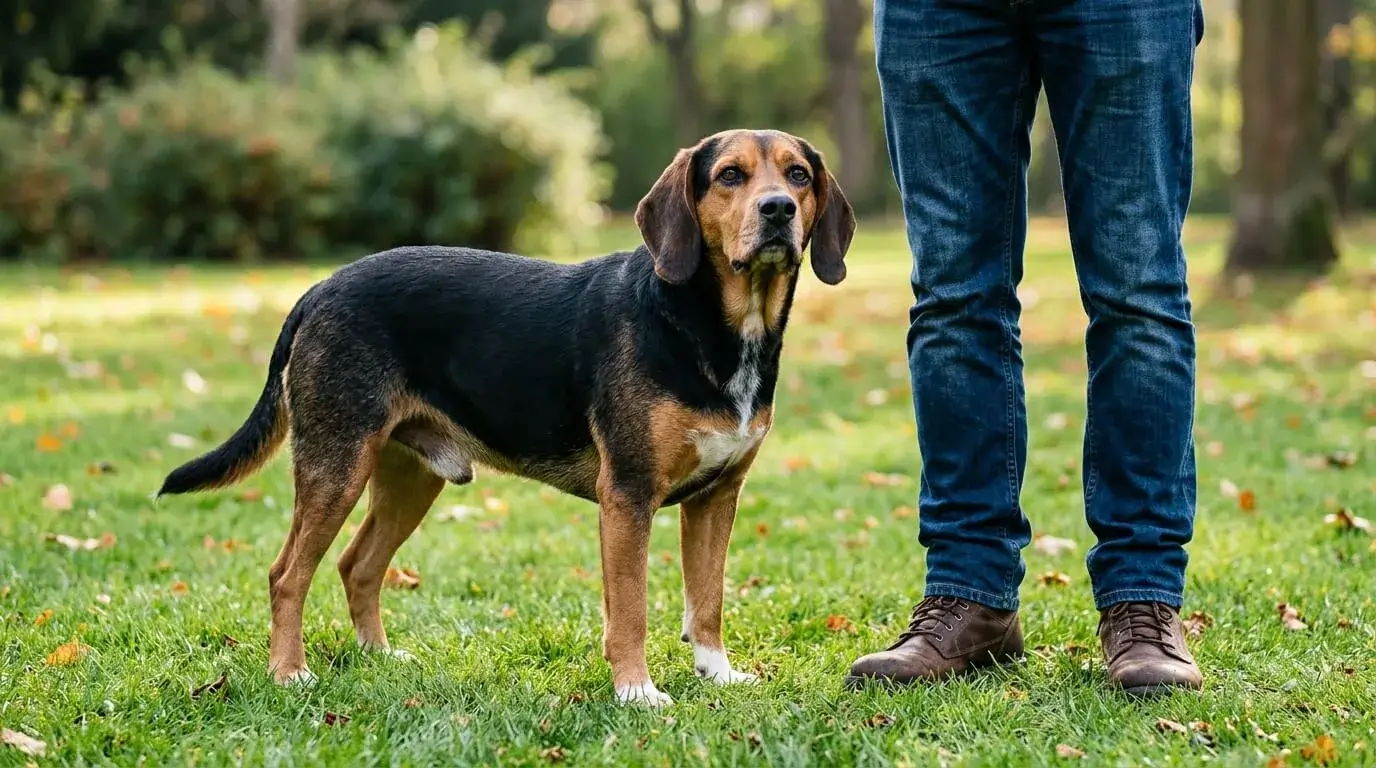
First-generation puppies do not share one body. One can look like a leggy Beagle. The next can look like a small Lab with long ears. A tricolor coat is common when the Beagle parent is tricolor. Black, yellow, or chocolate can come from the Lab. Color does not set the adult weight.
Use the parent ranges as a fence. A 13-inch Beagle parent pulls the litter down. A male Lab at the top of the AKC range pulls it up. We do not publish one full-grown weight for a labrabeagle. No club has measured this cross.
Look at the chest and the legs at six months, then again at a year. Muscle can keep filling after height slows. Shelter tags that say “beagle mix” are a guess. Ask to see the parents if you can.
Those ears need a weekly look. Drop ears trap moisture. Smell, redness, or head shaking means a vet visit, not another wipe with a random cleaner.
A labrabeagle with heavy leather ears also tracks mud and burrs into the house. Check the ear leather after every woods walk, not just the canal. Mats behind the ear are a grooming chore, not a medical emergency, unless the skin underneath is red. Keep the hair there short enough that air can move.
The Doorbell and That Voice
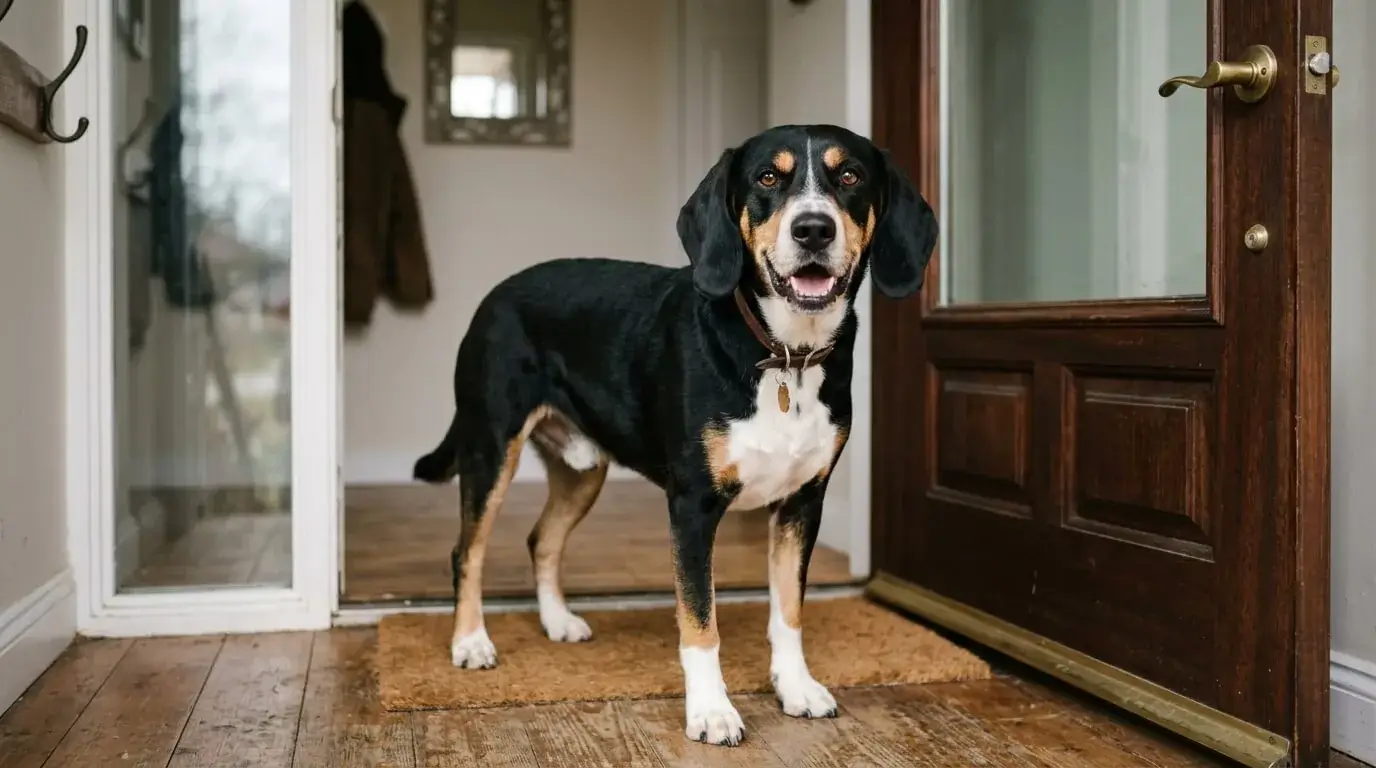
Beagles were bred to bay so a hunter could find them in cover. That sound is louder and longer than a typical Lab bark. A labrabeagle often uses it at the door, at squirrels, and at dogs it can hear but not see.
A Lab parent does not cancel the bay. Plan on a dog that comments. If you need a quiet apartment, this is a poor bet unless you have already met the adult and heard it at rest. Our guide to whether Labradors bark a lot covers the retriever half. This cross adds a hound’s carrying voice. For a bigger scent hound in the same family, see our bloodhound Labrador mix guide.
Training can lower nuisance barking. It will not turn the dog into a silent breed. Neighbors in a thin-walled building should hear an honest answer before you bring one home.
Guests are a separate drill. Ask people to ignore the dog until the bay stops, then greet. Talking to a labrabeagle while it howls teaches the howl to continue. A quiet house gets the hello. A noisy one gets nothing. That rule is boring. It works.
Recall When the Nose Turns On
Off leash, the nose wins. A labrabeagle can ignore a known cue the moment a rabbit trail or a food smell shows up. That is the breed job of the Beagle half, not a training failure you fix in a weekend.
Keep the dog on a leash or a long line in unfenced space. A fenced yard is the minimum if you want the dog loose. Do not trust a recall video filmed in a quiet living room. Test the dog around scent, or assume the nose will beat you.
Fences matter as much as food. A labrabeagle that can squeeze under a gate will follow a scent into the street.
Walk the fence line before you trust the yard. Close the gap. A long line in an open field is safer than a “he usually comes back” story. The nose does not negotiate with traffic.
Food helps when the dog is still looking at you. Once the head is down, a treat in your hand is often too late. Practice short recalls before the walk gets interesting, not after the dog has locked onto a trail.
This is why we do not call a labrabeagle an easy first dog. Friendly does not mean easy to get back.
Food Theft and Extra Weight
Both parents love food. Labs are famous for eating past fullness. Beagles are famous for counter-surfing and trash raids. Together, that is a dog you do not free-feed.
Feed meals. Pick up the bowl. Push food back from the edge of the counter. A trash can with a lid is not optional. Extra pounds show up fast on a medium frame, and they hide the ribs you should be able to feel.
A bored dog will also work for food it should not have. A stuffed toy or a snuffle mat at the times you used to leave a full bowl out gives the nose a legal job.
A Sniffing Job, Not a Long Jog
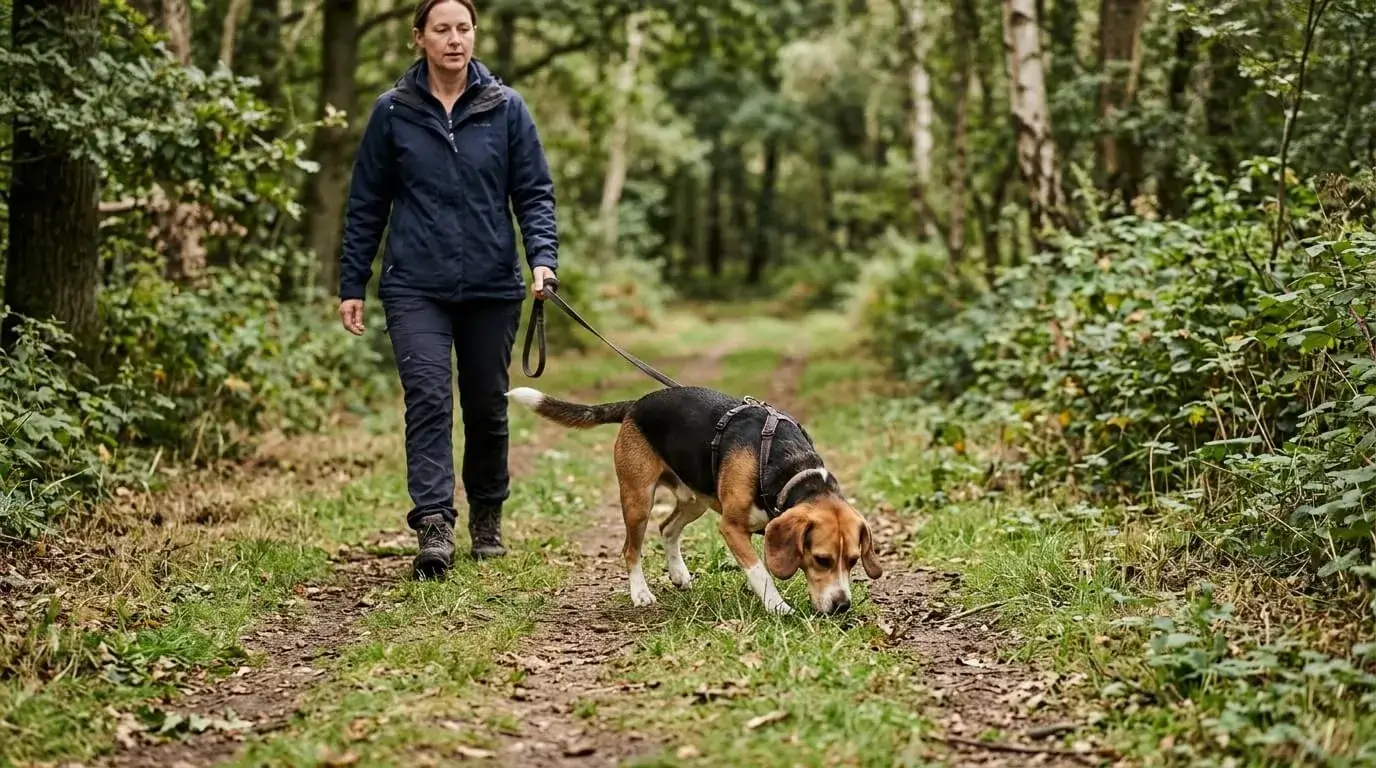
Do not assign every labrabeagle an hour of hard fetch and call it done. The useful work is scent. A short tracking game on grass, a snuffle mat, or a cardboard box with kibble burns the hound brain more fairly than another ball slammed into a fence.
Two walks a day still matter, because the Lab half has a body that wants to move. Keep them on leash outside a fence. Skip the fantasy that this dog will jog politely off leash beside a bike.
Puppies need less than adults. Short sessions. No forced miles before the growth plates calm down, which for a Lab-sized frame is closer to a year than to six months.
Heat and a short coat do not make the dog tireless. Stop while the dog still looks loose. A labrabeagle that was sold as “low energy” can still need a real outdoor sniff if it took the Beagle nose and the Lab engine.
Alone-time is the other half of exercise. A dog that bays when you leave is not “just vocal.” It is practicing a habit that gets louder.
Start with minutes, not hours. A stuffed toy on the mat is the job. Do not make every departure a party and every return a reunion. A labrabeagle left in a yard to “burn energy” usually bays at the fence instead.
Separation and the bay travel together. If the dog already howls when you pick up keys, practice leaving for one minute and returning before the sound starts.
Stretch the time only when the house stays quiet. A labrabeagle is not a dog you add to a home that is empty ten hours a day and hope the crate fixes the voice.
Health Questions for Both Parents
Ask which dog was the dam. A small Beagle carrying puppies sired by a large Lab is a size mismatch at birth. The answer you want is that the Labrador was the dam, or that a vet managed the whelping.
Ask for the Lab parent’s hip and elbow results.
On the Beagle side, ask about ears, eyes, and whether close relatives had seizures. Epilepsy shows up in some Beagle lines. Nobody has measured seizure rates in this cross, but a breeder should know whether it ran in the family.
No formal data exists for how long a labrabeagle lives. Do not average the parent life spans and print one number. A lean dog with clean ears has a better shot than an overweight dog that bays itself hoarse and lives on counter scraps.
The coat is short and it still sheds. Neither parent is hypoallergenic. Brush a few times a week, and more when the Lab half blows coat.
FAQ
Is a labrabeagle a purebred?
No. It is a cross. Labbe and Beagador are nicknames, not extra breeds and not AKC varieties.
Are they good with kids?
Often yes with school-age kids, if the barking and the food theft are managed. A baying dog and a toddler who pulls long ears is a bad pair. Supervise. Do not leave small children to carry the dog.
Do they shed?
Yes. The coat is short, and hair still comes off, especially if the Lab half blows coat twice a year. This cross is not hypoallergenic.
How big do they get?
No single number. Beagle parents are 13 inches and under, or 13–15 inches. Lab parents are 55–80 pounds. Your dog will not be both. Look at the parents, then at the puppy at a year.
A labrabeagle is a friendly food-driven dog with a hound’s nose and a hound’s voice. Buy or adopt for that, not for a promise that it will be an easy off-leash companion.
Look at what the Labrador parent brings before you decide it makes the recall easy. It does not, because the nose still wins. A fenced sniff and a leash are the plan for a labrabeagle every day, not just in the first week.