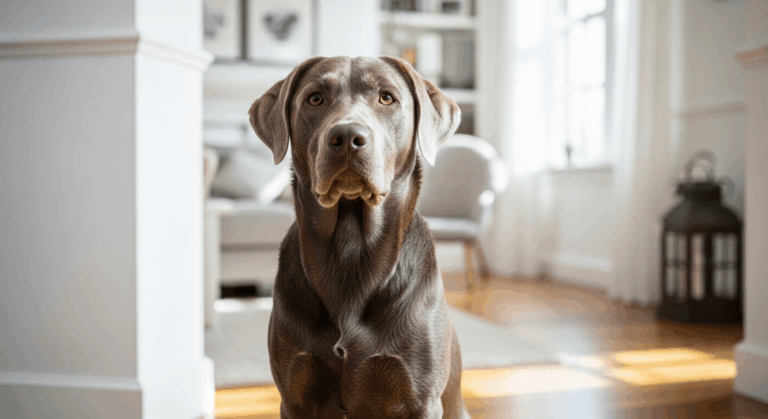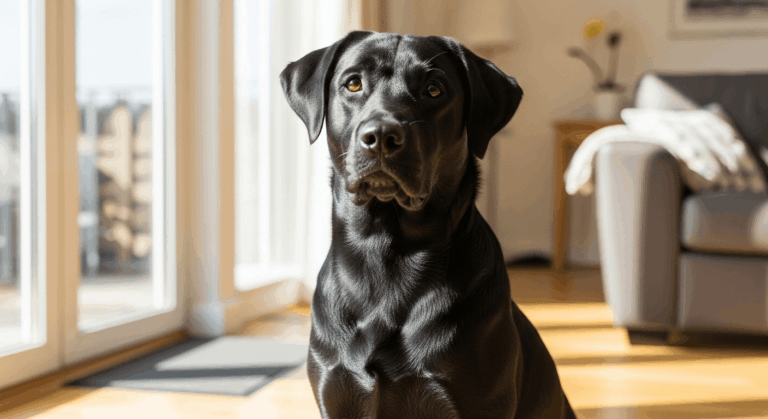
A charcoal Labrador is a Labrador Retriever with a diluted black coat — a smoky, washed-black look caused by a recessive dilute gene, not a separate breed. The American Kennel Club recognizes three Labrador colors: black, yellow, and chocolate. Charcoal is not a fourth color; papers usually list these dogs as black.
A charcoal Labrador is a Labrador Retriever with a diluted black coat from a recessive dilute gene — not a separate breed. AKC typically registers them as black; they are not a fourth show color. Charcoal differs from silver (dilute chocolate) and champagne (dilute yellow). Temperament matches other Labs; prioritize health testing over coat rarity.
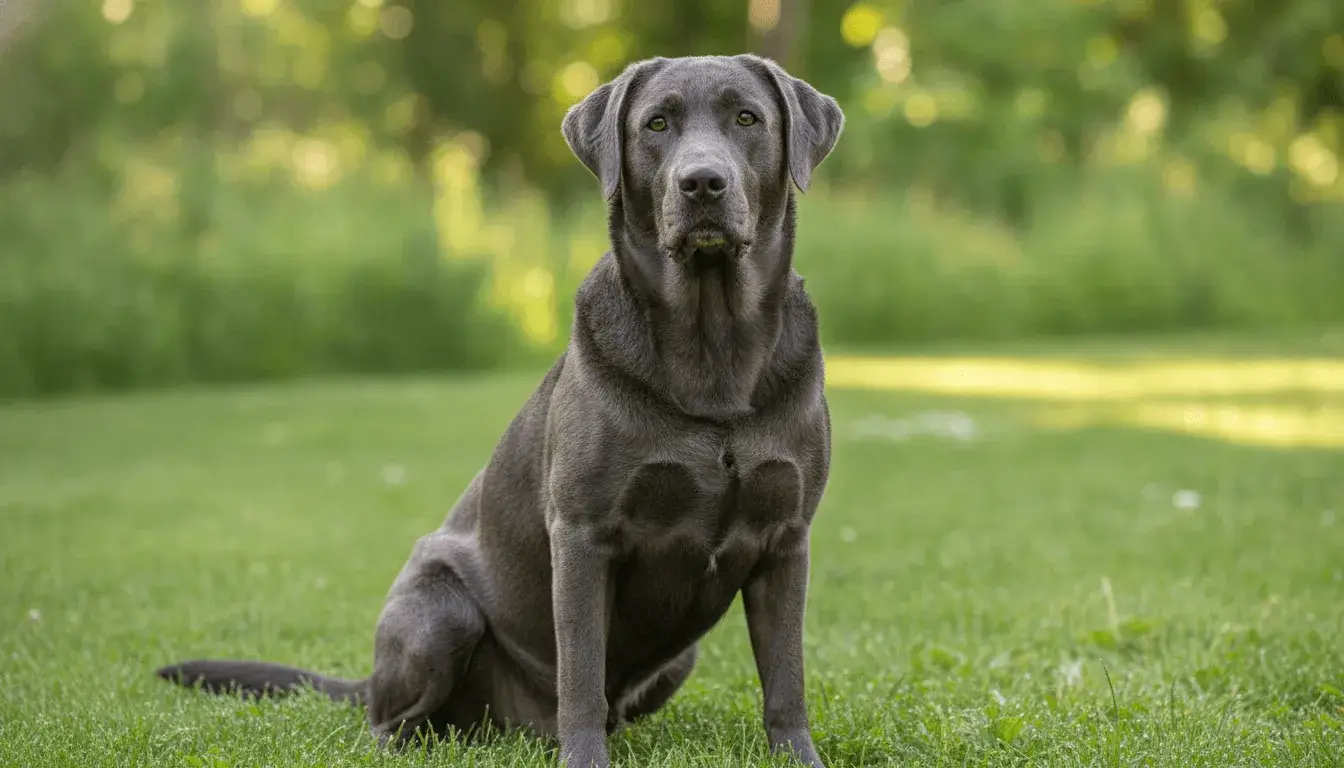
What Is a Charcoal Labrador?
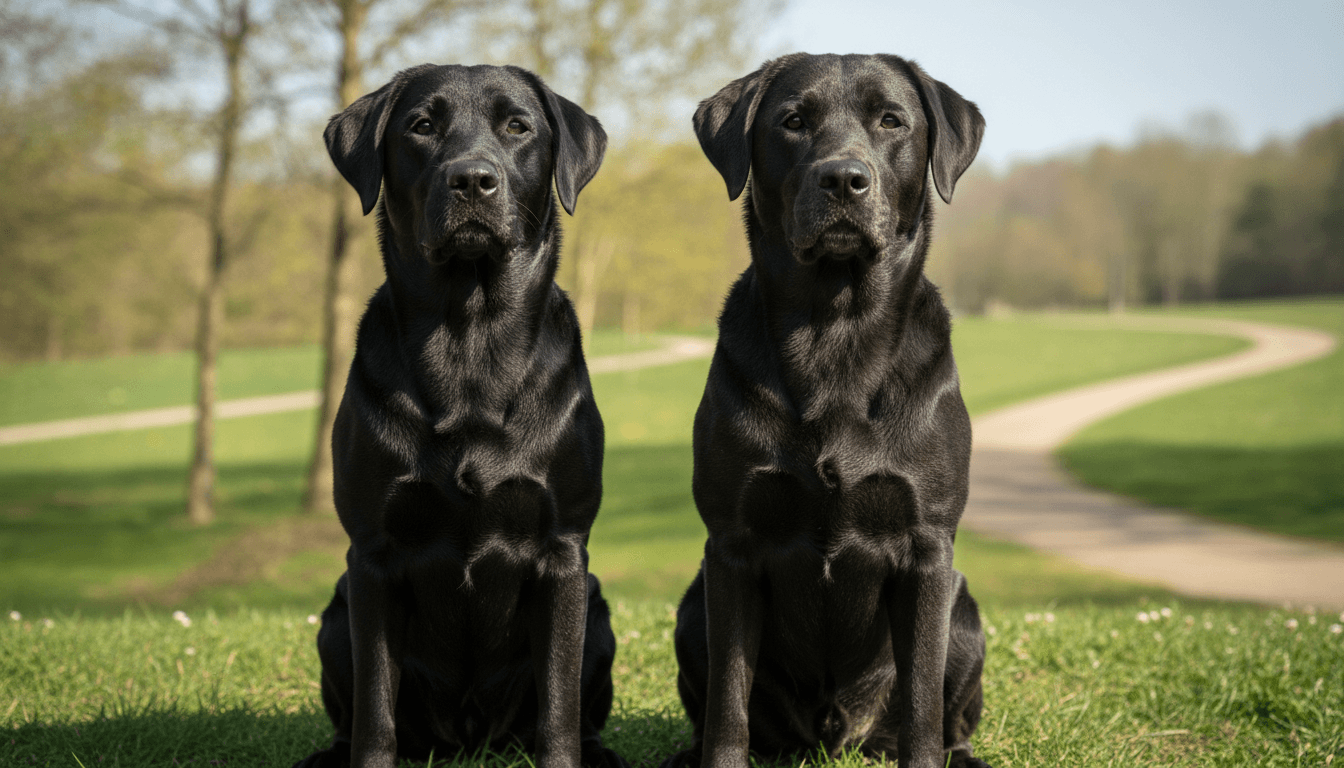
A charcoal Labrador is a black Lab whose coat pigment has been lightened by the dilute gene. The fur can look steel-gray, smoky black, or “faded” black in bright light, while the dog still carries black pigment genetics underneath. It is the same breed as any other Lab — same otter tail, same appetite, same need for exercise.
It is not a fourth AKC color and not a new variety. For the full shade map across the breed, see our guide to Labrador colors. Next to a solid black Labrador, the charcoal lab reads softer and more washed, not jet.
People also search “gray Lab” for this look. In the US, most “gray Labrador” searches point at silver Labradors (dilute chocolate). Charcoal is the dilute-black sibling of that family — same dilute mechanism, different base color.
Charcoal Labrador Genetics
Coat color in Labs starts with familiar genes. The B locus sets black versus chocolate pigment. The E locus decides whether that dark pigment shows in the coat or switches to yellow. Dilute colors add a third piece: the D locus.
A charcoal Labrador needs black pigment plus two copies of the recessive dilute allele (dd). In plain English: a genetically black Lab that also inherits dilute from both parents. One dilute copy is not enough. Both parents must pass the dilute allele for a charcoal pup to appear.
That is why charcoal litters show up in dilute-focused lines more often than in traditional black-only kennels. Two black-looking parents can still produce charcoal if both carry dilute quietly. The same dd pair on chocolate produces silver; on yellow it produces champagne. The mechanism is shared; the base color is what changes the name.
Do not treat a DNA “dilute” result as a health certificate. A gene test tells you coat genetics. It does not replace hip, elbow, eye, or EIC clearances.
Charcoal vs Silver Lab
Charcoal vs silver lab is the comparison most buyers actually need. Both are dilute Labs. They are not the same color.
| Coat name | Base color | Dilute result | AKC papers usually say |
|---|---|---|---|
| Charcoal | Black | Smoky / washed black | Black |
| Silver | Chocolate | Silver-gray | Chocolate |
| Champagne | Yellow | Pale creamy dilute yellow | Yellow |
A charcoal labrador retriever keeps black-based pigment that has been diluted. A silver Lab starts as chocolate and dilutes to gray. Champagne is the yellow sibling — same dilute story, different base. We cover charcoal and silver in depth here and on our silver Labrador guide; champagne is the third dilute label you will see on breeder sites.
Visually, charcoal stays closer to black — think smoke, not pewter. Silver reads clearly gray. If a listing mixes the names, ask for parent colors and, if available, dilute genotype notes. Color labels are marketing shorthand; genetics and paperwork matter more.
AKC Registration, Show Ring & Dilute Controversy
AKC registration for a charcoal Labrador usually follows parentage, not the marketing color name. Because charcoal is dilute black, registration commonly lists the dog as black. That paperwork does not create a new official color, and it does not mean charcoal is welcome in the conformation show ring. The breed standard’s accepted colors remain black, yellow, and chocolate.
The Labrador Retriever Club — the AKC parent club for Labs — has raised long-standing concerns about dilute colors in the breed, especially silver. Their position is about breed integrity and the dilute gene’s history in Lab lines, not a claim that every individual dilute dog is a bad pet. We paraphrase that stance here because honesty beats sales spin: dilute colors are disputed among serious Lab people, even when AKC papers exist.
The Weimaraner-cross myth sits in the middle of that debate. Dilute Labs can look Weimaraner-like in coat tone, and the dilution mutation is shared with breeds that carry dilute naturally. Some argue the gene entered Lab-type lines through outside breeding decades ago; dilute advocates argue it may have been rare and overlooked. We will not pretend the science is settled in a blog post. What we will say: coat color alone does not prove a cross, and a DNA panel that confirms Lab-type ancestry still does not prove health. Judge the dog and the breeder by testing and temperament, not by coat arguments online.
For pet homes, the practical takeaway is simple. A charcoal Labrador can be registered, loved, and trained like any Lab. It is unlikely to be a conformation prospect while dilute. That is a show-ring rule, not a verdict on companionship.
Appearance, Size & Temperament
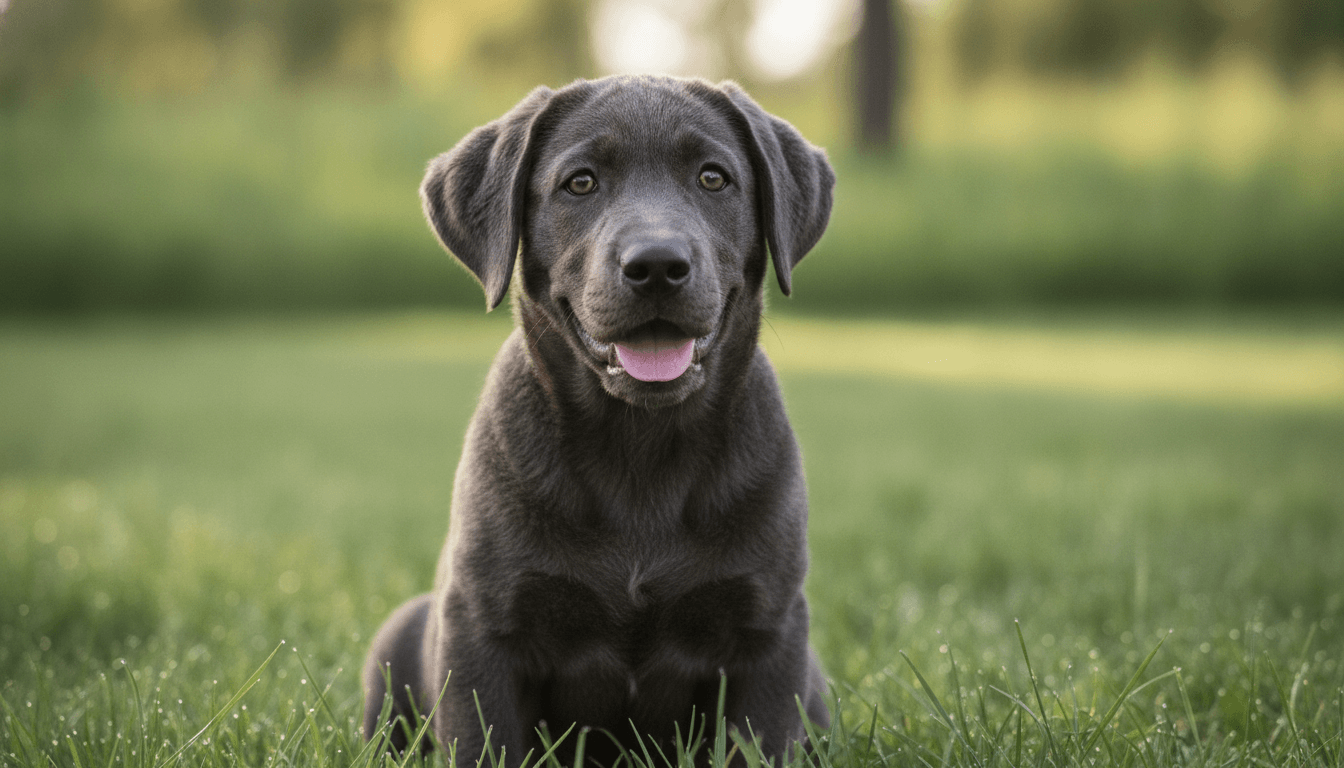
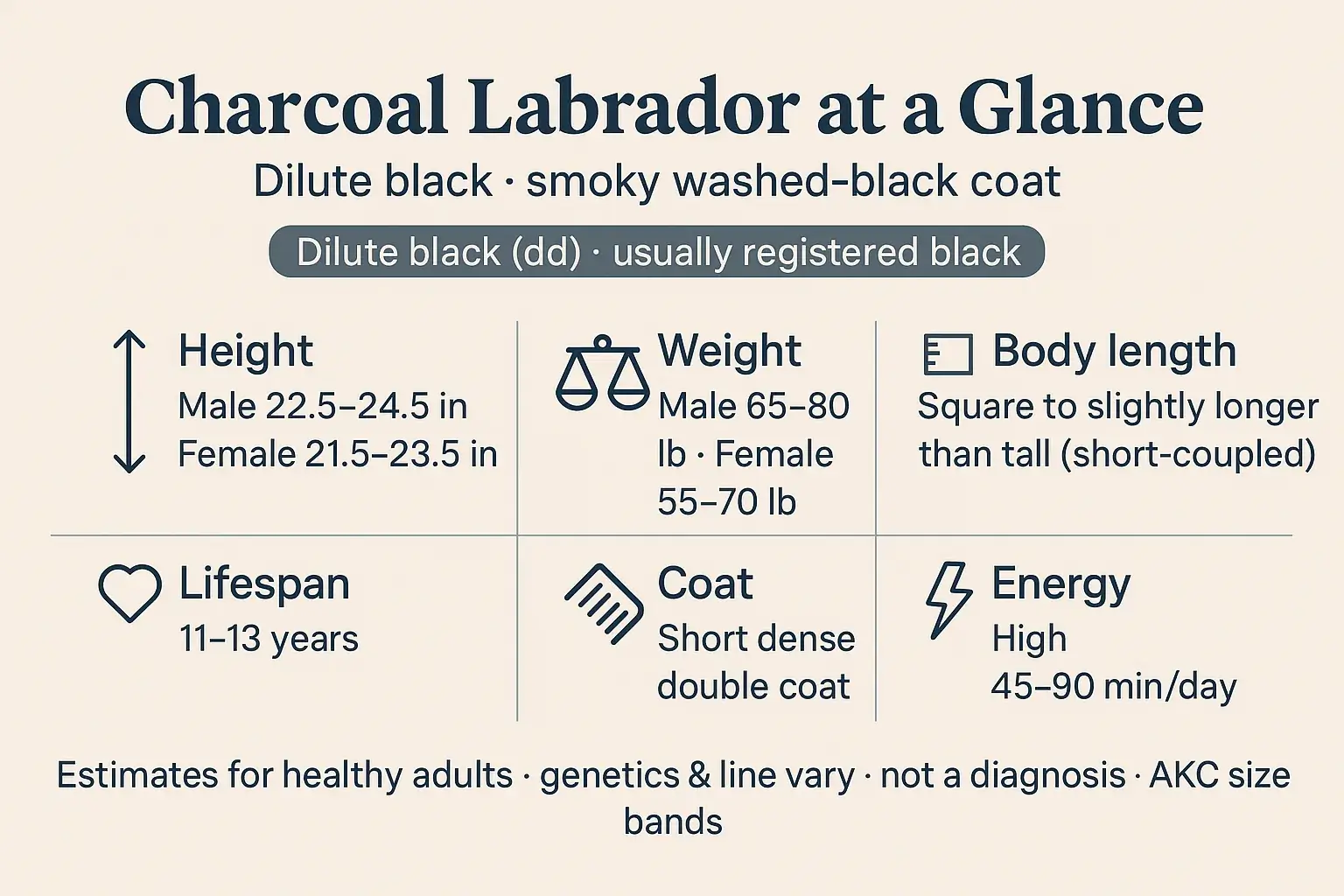
Expect a charcoal Labrador to look like a Lab first. Broad head, kind eyes, short dense double coat, otter tail. The dilute coat ranges from light smoky black to a deeper charcoal that almost looks black indoors and reveals the wash outdoors. Nose and eye rims often look softer than a classic jet-black Lab, matching the diluted pigment.
Size matches the breed, not the color. Per the AKC Labrador standard, adults typically stand about 21.5 to 24.5 inches at the shoulder and weigh roughly 55 to 80 pounds, with males often at the larger end. English show lines tend to look stockier; American field lines look leaner. That split is about breeding purpose and body type — not charcoal versus black. Color does not shrink or enlarge a Lab.
Temperament works the same way. A charcoal lab is still a Labrador: people-focused, food-motivated, trainable, and energetic when young. Color does not create a calmer personality. Line does. Meet the parents, ask whether the kennel breeds for steady family dogs or high-drive field work, and judge the individual puppy. For the full breed picture — history, type, and what “Lab” should feel like day to day — start with our Labrador Retriever breed guide.
Health & Care for a Charcoal Lab
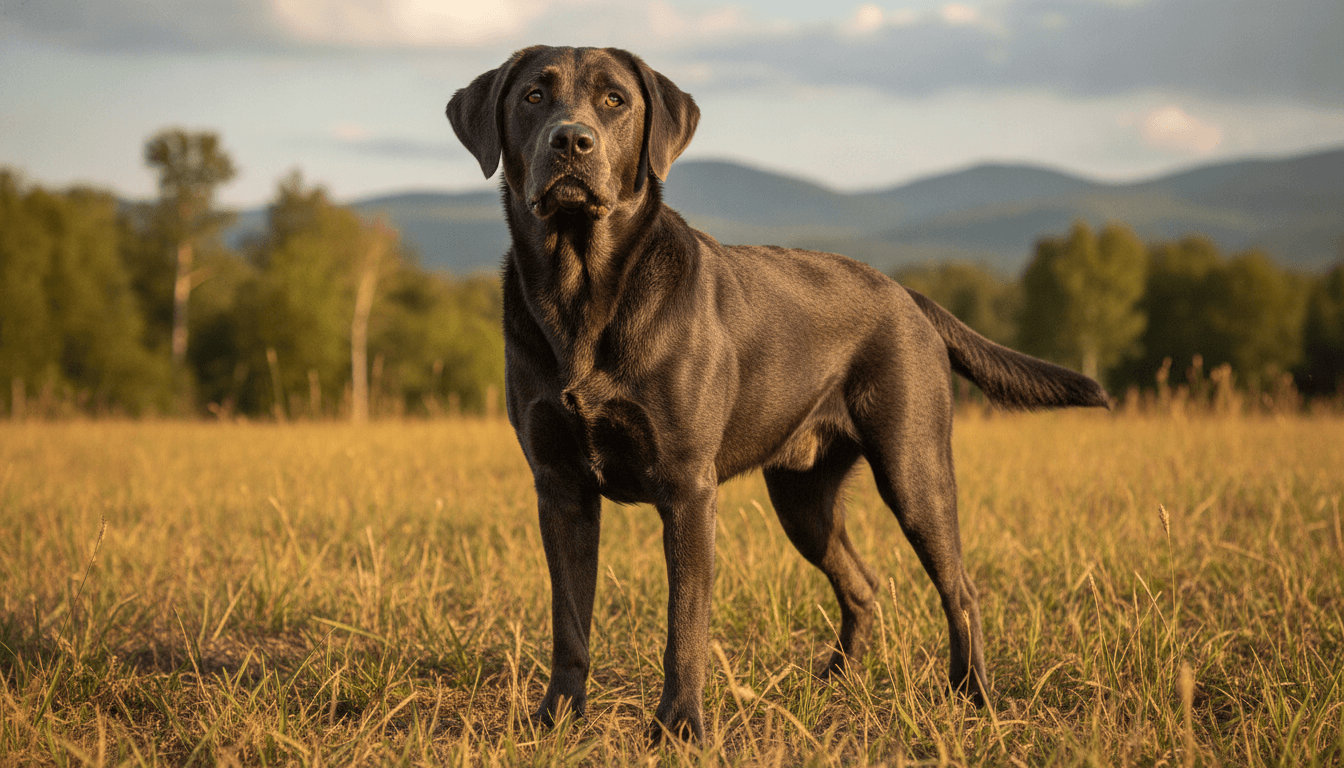
A charcoal Labrador shares the core Labrador health list: hip dysplasia, elbow dysplasia, eye disease (including PRA), exercise-induced collapse (EIC), and obesity risk. Dilute color does not cancel those. Ask for OFA or PennHIP hips, elbow clearances, current eye exams, and EIC DNA results on both parents before you put money down.
Dilute coats add one extra conversation. In some dilute-colored dogs across breeds, the dilute gene is linked with coat and skin problems such as follicular issues or color dilution alopecia (CDA). No formal Lab-specific prevalence number exists that we can cite honestly, so we will not invent one. Ask breeders about coat and skin history in their dilute lines, and watch for thinning, flaky skin, or recurring skin infections as the dog matures. According to most veterinarians, early skin changes deserve a dermatology workup rather than home guessing.
Day-to-day care is still Lab care. A charcoal Labrador sheds like any Lab — heavily during the twice-yearly coat blow and moderately the rest of the year. Dilute color does not reduce shedding. A rubber curry comb or slicker brush a few times a week keeps the undercoat manageable; bathe when dirty, not on a rigid weekly schedule that strips oils.
Plan on real daily exercise — typically in the 45-to-90-minute range for a healthy adult, adjusted for age and line — plus training that gives that brain a job. Retrieve games, structured walks, and basic obedience all work. English versus American energy differences track body type and breeding goals, not whether the coat is charcoal.
Keep the dog lean. Labs carry a known appetite drive, and extra weight loads joints. Coat rarity is never a reason to skip standard Labrador preventive care.
Getting a Charcoal Lab Puppy
Marketplace listings for charcoal Labrador puppies often show prices from roughly $450 on the low end to around $2,000, with some dilute kennels asking more. Treat those figures as listing ranges, not as proof of quality. A low price with no health paperwork is a warning. A high “rare charcoal” premium with no testing is also a warning.
Red flags we tell buyers to walk away from:
– “Rare color” used as the main sales pitch
– No hip, elbow, eye, or EIC results on the parents
– Reluctance to show the dam or explain dilute history in the line
– Pressure to pay quickly because “only one charcoal left”
– Claims that charcoal is healthier, hypoallergenic, or a separate breed
Good signs look boring on purpose: clearances you can verify, a written contract, early socialization notes, and a breeder who talks about temperament and structure before coat shade. Price is not health. Rarity is not health. If you want a charcoal lab, buy the testing first and accept the color as a cosmetic bonus.
Frequently Asked Questions About Charcoal Labradors
What is a charcoal Labrador?
A charcoal Labrador is a Labrador Retriever with a diluted black coat caused by two copies of a recessive dilute gene. It is not a separate breed and not a fourth AKC color. Most are registered as black. Temperament and care needs match other Labs.
Is a charcoal Lab the same as a silver Lab?
No. Charcoal is dilute black; silver is dilute chocolate. Both need the same recessive dilute genotype (dd), but the base pigment differs, so the coats look different. Champagne is the dilute-yellow sibling. See our charcoal vs silver comparison above and our silver Labrador guide for the gray coat in detail.
Are charcoal Labs purebred / AKC registerable?
Many charcoal Labs are AKC-registered when both parents are registered, usually as black. Registration documents parentage; it is not the same as parent-club endorsement of dilute as a standard color. The Labrador Retriever Club has raised concerns about dilutes in the breed. Ask breeders for pedigree and health paperwork, not just a registration promise.
Are charcoal Labs rare?
They are less common than standard black, yellow, and chocolate Labs because dilute must come from both parents. “Rare” is still mostly a sales word. Uncommon coat color does not justify skipping health testing or paying a blind premium.
Do charcoal Labs have more health problems?
They share standard Labrador risks (hips, elbows, eyes, EIC, weight). Dilute coats can be linked to coat and skin issues in some lines; ask about history and watch the coat as the dog grows. We do not invent prevalence rates. Prioritize the same clearances you would demand for any Lab.
How much do charcoal Lab puppies cost?
Public listings often fall roughly between $450 and $2,000, with higher asks at some dilute kennels. Those are marketplace ranges, not guarantees. A fair price is one tied to verifiable parent health testing — not to how “rare” the charcoal coat looks in photos.
A charcoal Labrador is still a Labrador where it counts: training, exercise, joint care, and honest breeding matter more than a smoky coat. If you choose one, choose the health clearances and the line first. For where charcoal fits among black, silver, and every other shade label, return to our Labrador colors guide and the Labrador Retriever breed guide.