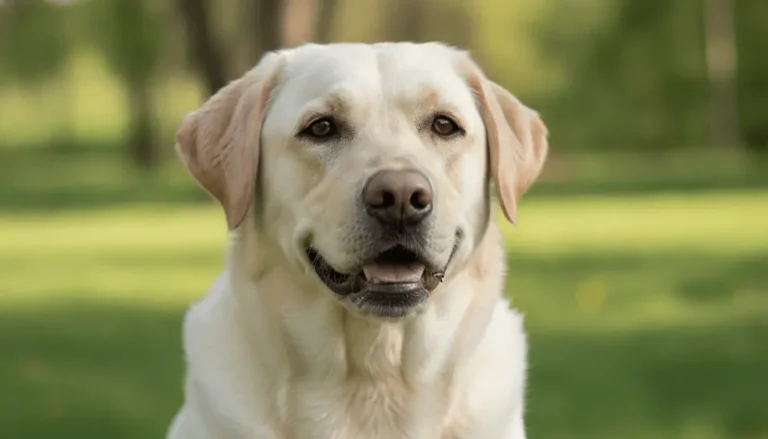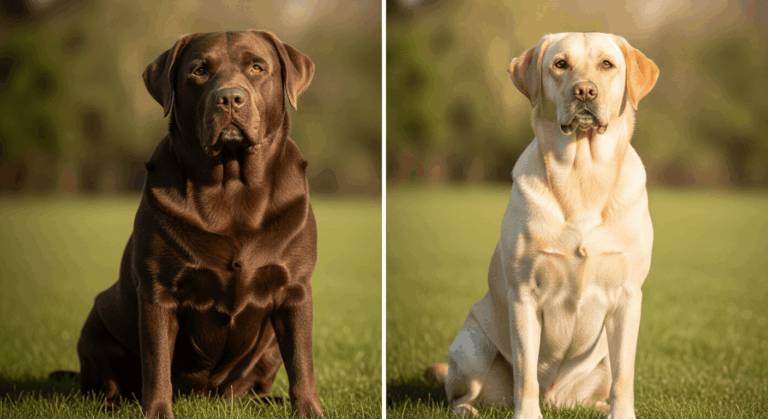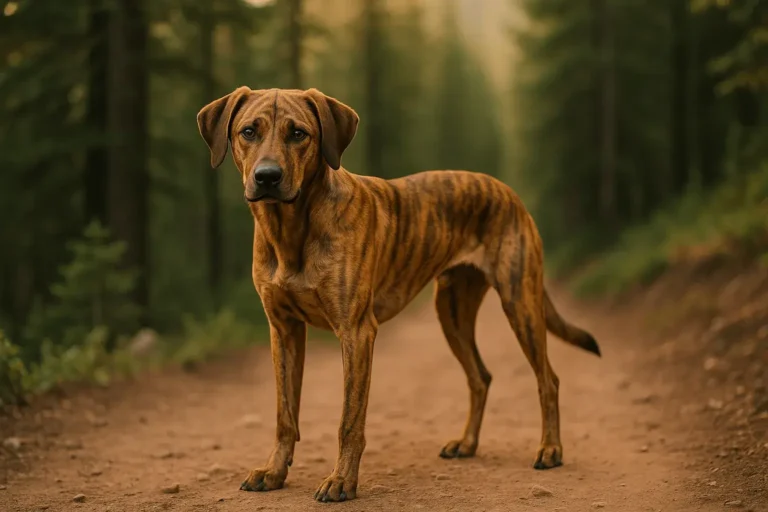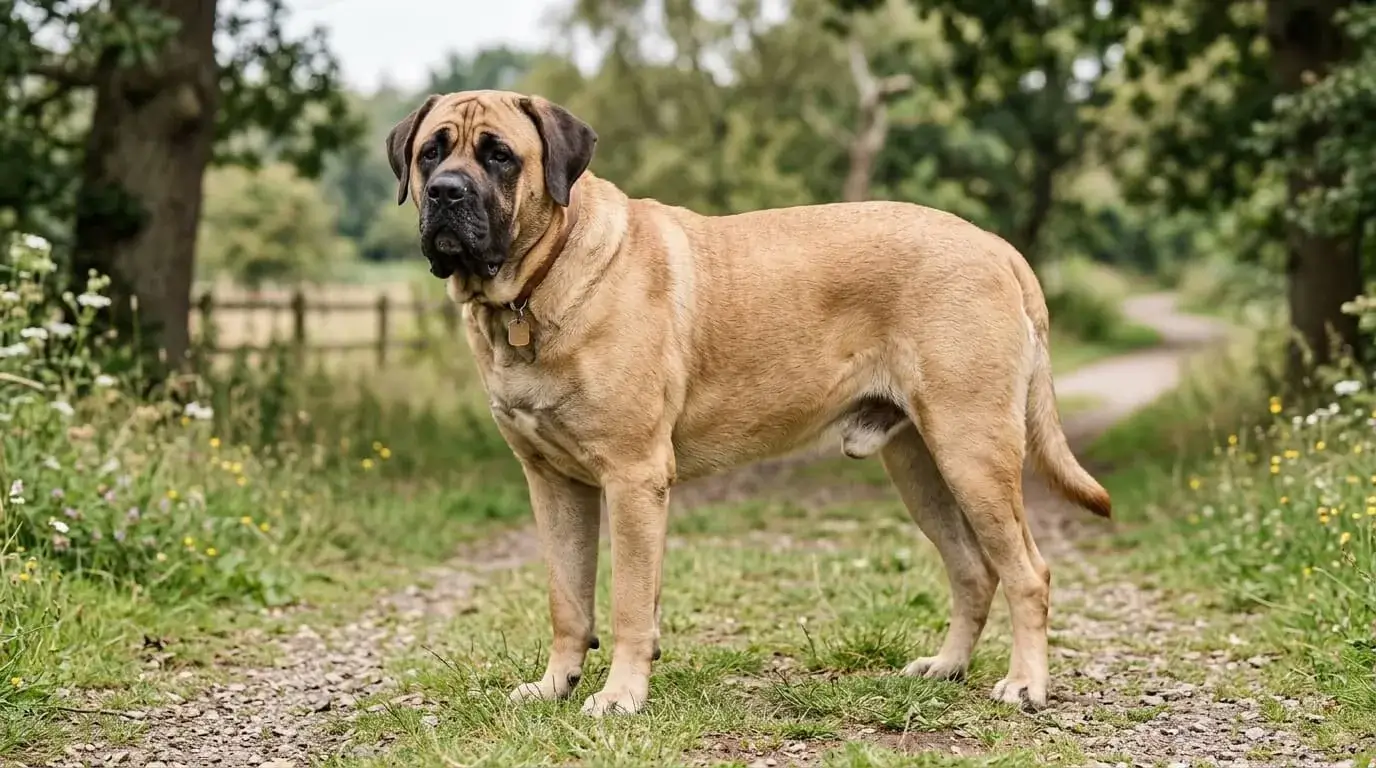
A labrador mastiff mix is a giant, not a bulky Lab. Mastiff males are not under 30 inches at the shoulder. Females are not under 27.5 inches. The AKC breed page puts many males around 160–230 pounds and many females around 120–170. Labradors are 55–80 pounds and about 21.5–24.5 inches. The puppy can land anywhere between those parents, or past them.
Mastador is a nickname, not a breed. One care site prints 28–36 inches, 85–160 pounds, and 10–12 years for this cross. That is their claim, not a standard. The American Kennel Club Mastiff is a massive guardian-type dog with loose lips. The Labrador is a medium-large retriever. No club has weighed the mix, so we will not crown one number.
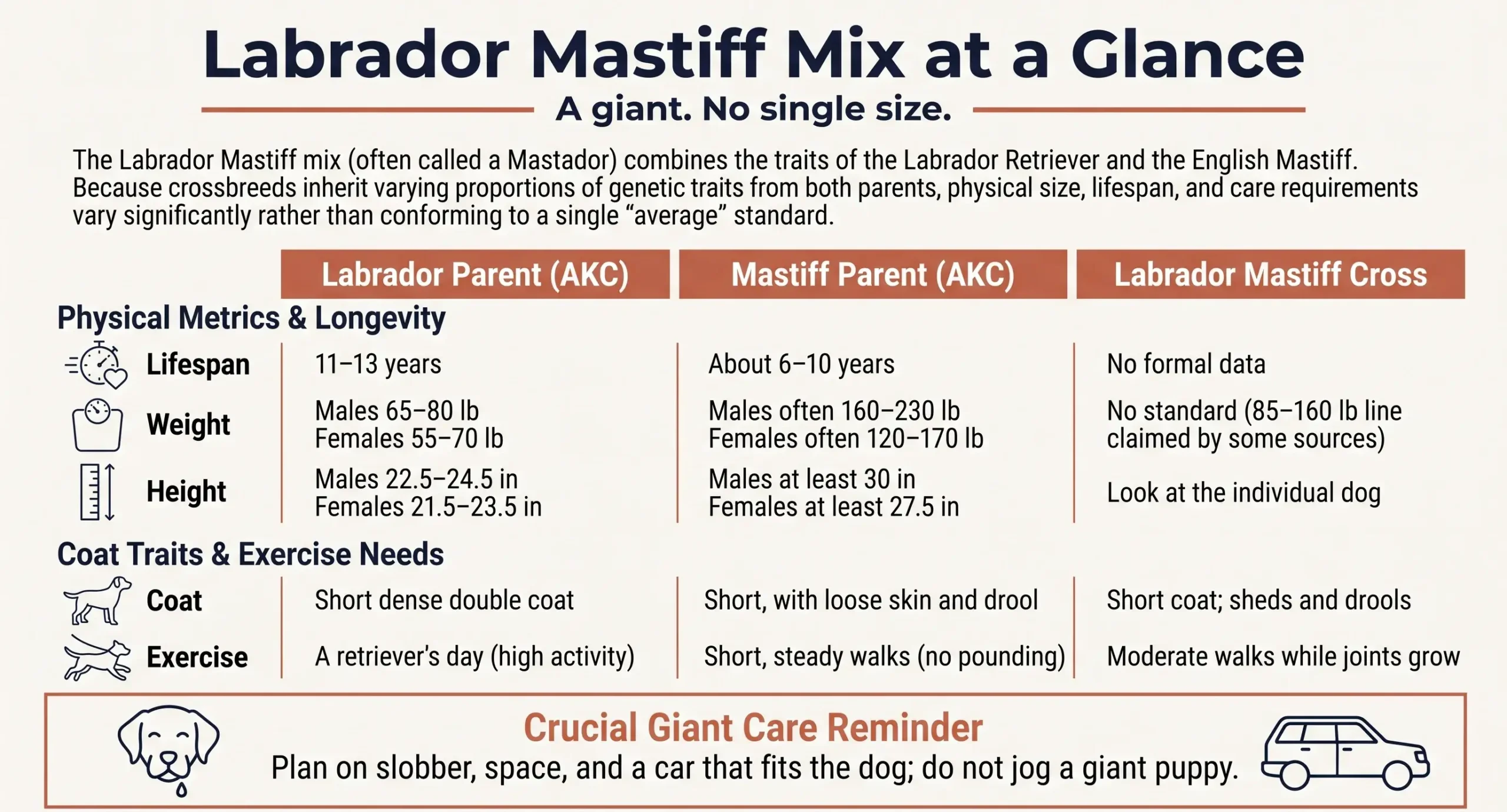
How Big This Cross Gets
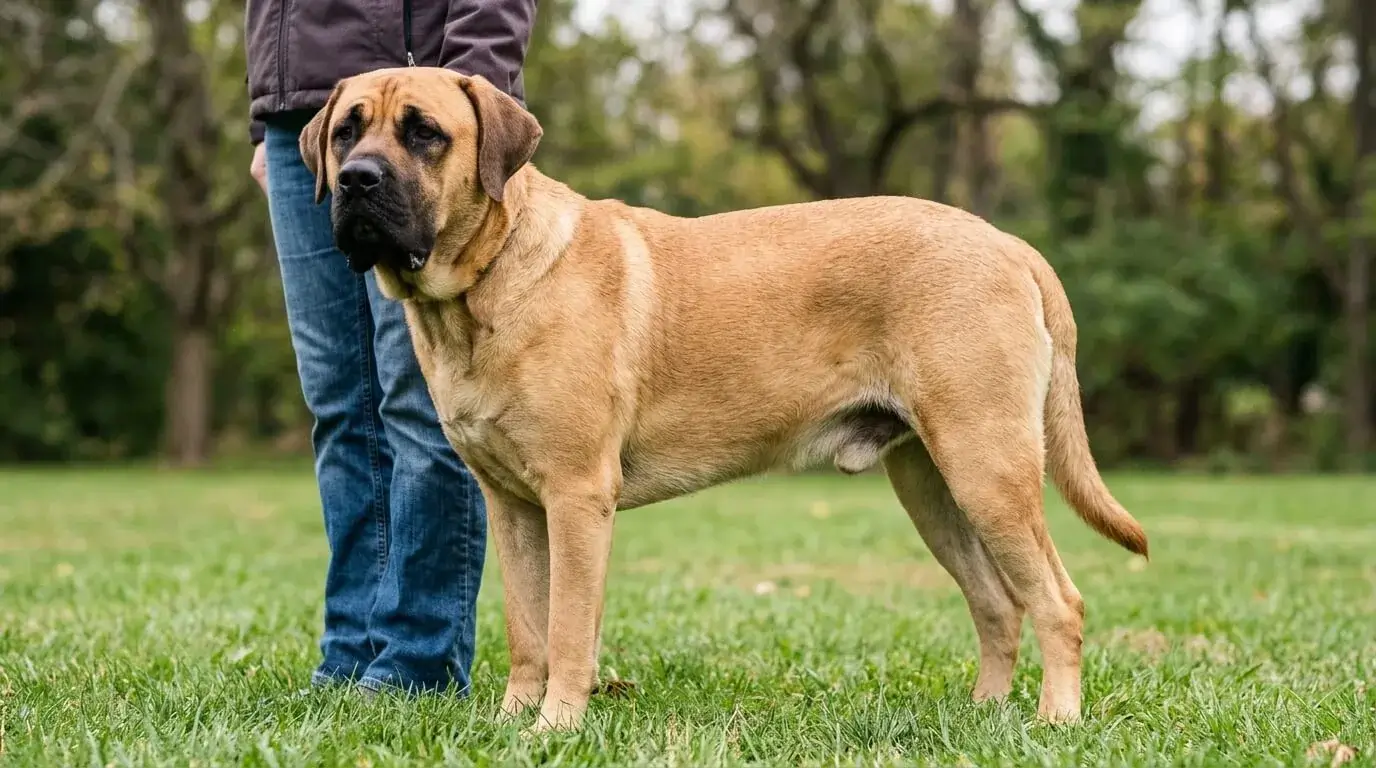
Littermates do not share one body. A Mastiff sire and a Lab dam can throw a heavy, low dog or a taller dog that still outweighs any Lab you have met. Black, fawn, and brindle all show up. Color does not set the pounds.
We do not publish one full-grown weight for a labrador mastiff mix. Look at the parents. Look again at 18 months. Our Labrador growth chart covers only the retriever half. Giants fill out after they look tall. A six-month photo is not the adult.
This is a bad apartment dog. A hallway turn knocks a person. A greeting knocks a toddler. If your rooms are small, pick a different cross. Our Labrador mix overview lists smaller crosses that fit a normal home.
A Great Dane Lab mix is the taller sibling: more leg, less mass, and the same giant-breed rules for crates, cars, and growing joints.
A Newfie Lab cross is the coated, water-loving version of the same giant.
The dam should be able to whelp a large litter. Ask which dog carried the puppies. A smaller Lab carrying a Mastiff-sired litter is a vet event, not a surprise you discover at 3 a.m.
Drool, Coat, and the Shed
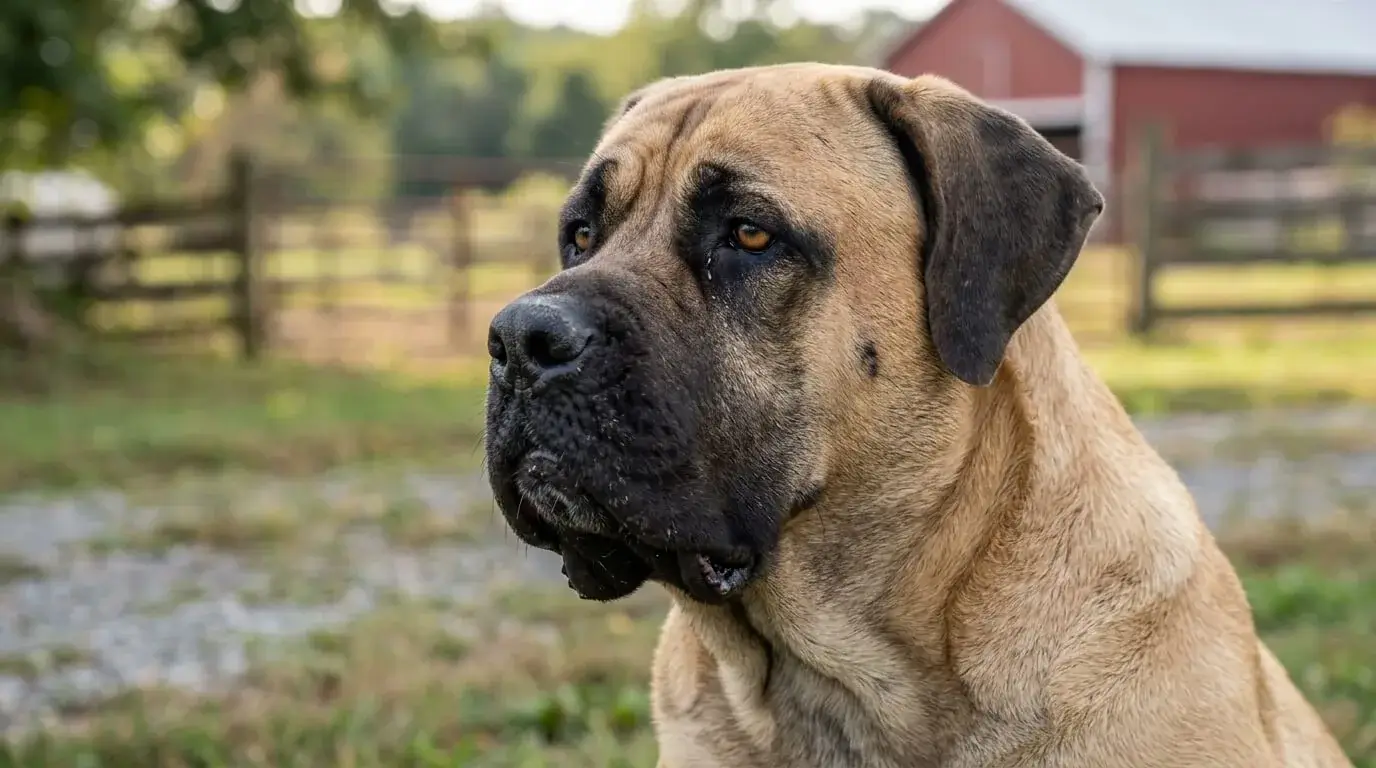
Plan on slobber. Loose lips hold water and then paint the walls, the couch, and your pants. A towel on the door is normal gear. A labrador mastiff mix with a shorter Lab muzzle may drool less than a pure Mastiff. It will not drool like a dry-mouthed breed.
The coat is short and it sheds. The Lab half blows undercoat twice a year. Brush a few times a week, and daily during a blow. This cross is not hypoallergenic. Baths clean drool stains. They do not stop hair.
Wrinkles, if the dog inherited them, need a dry-off after meals. Food left in a fold becomes a rash. Part the skin, look, and dry. A sweet smell is a vet visit.
Exercise While the Joints Are Open
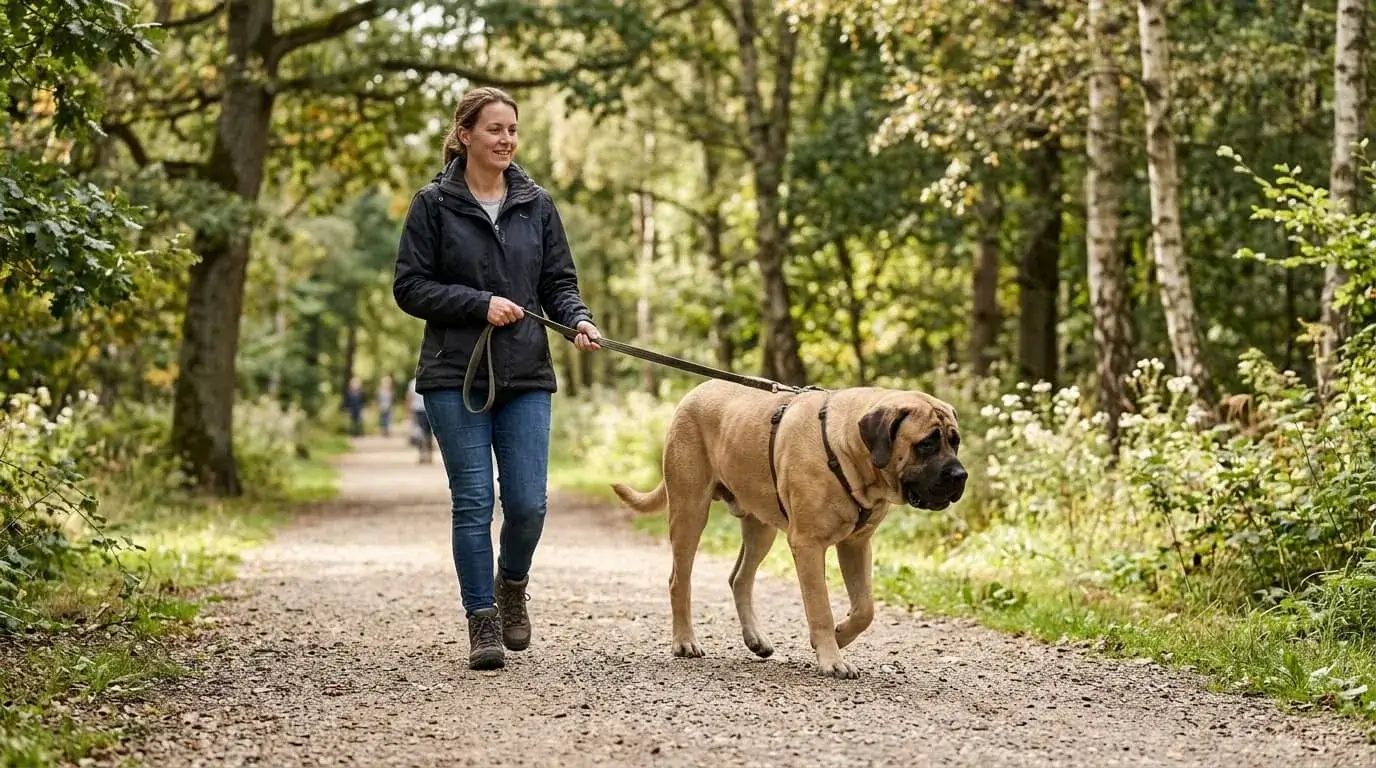
Do not jog a giant puppy to “tire him out.” Growth plates in a dog this heavy stay open well past six months, often past a year. Forced running, long stairs, and jump games are how hips and elbows get expensive.
A fair puppy plan is several short leash walks on flat ground, plus a nap. An adult labrador mastiff mix usually does better on two moderate walks than on an hour of fetch. The Lab half wants to retrieve. Roll the ball. Do not launch it down a hill.
Heat stops the walk early. A heavy, short-nosed-leaning dog overheats in a hurry. Morning and evening in summer. Water at home before you leave, and a bowl in the shade if you stop.
A bored giant digs, leans on fences, and booms at the door. Exercise is part of manners. It is not a substitute for a fence that can hold the weight.
Bloat and Hips
Bloat, a twisted stomach, is an emergency in deep-chested giants. Signs are a sudden tight belly, retching with nothing coming up, and a dog that cannot settle. That is a car-to-the-clinic problem, not a wait-until-morning problem. No one has measured how often this cross bloats, so feed measured meals, not one huge bowl before a hard play session.
Hips and elbows are the Lab and the Mastiff question together. Ask for hip scores on both parents if they exist. A clearance is a screen. It is not a warranty.
No formal data exists for how long a labrador mastiff mix lives. Do not average 6–10 Mastiff years with 11–13 Labrador years and print a cheerful 12. A lean dog with sound hips has a better shot than a heavy dog that lives on free-feed.
Neutering timing matters more on a giant because the joints are still building. We are not writing that medical page on this URL. Your vet decides the month. A blanket “fix at six months” is a habit, not a rule sized for this body.
Vet bills scale with the body. One sedation, one dental, one hip film costs more because the dog is heavy. Budget for that before the puppy is cute. A labrador mastiff mix is a poor impulse buy from a parking-lot listing. Ask for the parents’ weights in pounds, not in adjectives.
Insurance is worth a quote while the dog is young and still insurable. We are not selling a policy. We are saying a giant’s emergency is a four-figure afternoon.
Bloat surgery is not a coupon item. If you cannot carry that number, do not carry this dog.
What the House, Fence, and Car Must Fit
Measure before you fall for the puppy. A labrador mastiff mix needs a crate that an adult can actually lie down in, stretched out. Many “extra large” crates are Lab-sized. A giant grows out of them by ten months. Buy the adult crate, or plan the second purchase now.
The car is the same test. A sedan back seat is a bad life for this dog. A crate in a wagon or a hammock with a real barrier is the minimum. Do not ride a loose giant in the front. One stop and the person in the passenger seat loses.
Fences should be tall and strong. These dogs lean. A decorative three-foot panel is a toy. Check the bottom. A determined dog will push under a loose section.
A labrador mastiff mix is not a good candidate for an invisible fence. Pain on a collar does not outweigh a scent on the other side, and the dog is too big to retrieve politely from a road.
Floors matter. Wood and tile are slippery under that weight. Rugs on the runs they use, especially as puppies, save wrists and hips.
Night potty trips are real. A labrador mastiff mix does not squeeze onto a pee pad in a studio and call it solved. A fenced yard, or a leash and a patient person at 11 p.m., is the housing plan.
Apartment stairs at midnight with a growing giant are how people get pulled down a flight. Carry the puppy. Do not let it bomb the stairs to “get it over with.”
Friendly Weight, Not a Guard Dog
Most of these dogs want people. The Mastiff look reads as a guard. The manners are often a Lab that leans on you and a Mastiff that watches the door without doing much. Do not buy one as a protection dog. Do not expect it to be fierce because the head is wide.
They are usually good with the family. They are dangerous to toddlers in the way a swinging door is dangerous: mass plus a happy greeting. School-age kids who can stand their ground do better. Supervise. Teach the dog to sit before the hello, every time, while the dog is still small enough to move.
Other dogs can work if introductions are calm. A giant that plays with its chest can hurt a small dog without a fight. Size is the risk. Watch the first weeks.
Food drive is the Lab half and it is useful. Short training sessions, meals as pay, no free-feed. A labrador mastiff mix that is allowed to rehearse jumping on people will still be doing it at 150 pounds. Stop the rehearsal at 40 pounds.
FAQ
Is a labrador mastiff mix a good family dog?
A labrador mastiff mix is often fine with adults and older kids, if the space and the manners are real. With toddlers, the weight is the problem. Friendly does not mean safe in a small kitchen.
How long do they live?
No formal data exists for a labrador mastiff mix lifespan. Mastiffs are often listed around 6–10 years. Labs are often 11–13. Do not average those into one promise.
Do they drool?
Yes. A labrador mastiff mix with loose lips holds saliva. Some dogs drool less if the muzzle took after the Lab. Keep a towel anyway.
Are they easy to train?
Food works while the dog is still a manageable size. A labrador mastiff mix is not hard to motivate. It is hard to physically correct later if you skip the early sits. Train the puppy you can lift.
A labrador mastiff mix is a people-dog in a body that needs a wagon, a real fence, and a vet plan for bloat and hips. Check how big a purebred Lab gets before you count on the Lab half to make this dog small.