A rottweiler lab mix — commonly called a Labrottie — is a cross between a Rottweiler and a Labrador Retriever, and most adults weigh 70 to 100-plus pounds and stand 22 to 28 inches at the shoulder. This is a large, powerful, high-energy dog whose temperament can lean two ways: warm and social like a Lab, or watchful and reserved like a Rottweiler.
This guide covers what to actually expect from a rottweiler lab mix: full-grown size, the Lab-plus-Rottweiler temperament blend, exercise and training demands, coat and shedding, the health risks worth screening for, and honest cost ranges. We tell you where this cross shines — and why it is not the impulse “guard dog” that social media makes it out to be.
A Labrottie is a Labrador × Rottweiler mix — a large, athletic dog that usually weighs 70 to 100-plus pounds. Expect a loyal, high-energy companion with a short coat that still sheds, real training and socialization needs, and inherited risks to the hips, heart, and gut. It fits experienced, active homes best.
What Is a Rottweiler Lab Mix (Labrottie)?
A rottweiler lab mix is a first-generation cross between a purebred Rottweiler and a purebred Labrador Retriever. The nickname “Labrottie” blends both parent names, and you will also see “Rottador,” “labrador and rottweiler mix,” and “lab rottweiler mix” used for the same dog. It is a designer crossbreed, not a recognized breed, so no official standard governs its size, color, or temperament.
That matters more than most sellers admit. Because this cross pulls genes from two very different working breeds, littermates can turn out quite differently. One puppy may inherit the Lab’s easy, outgoing friendliness; a sibling may inherit the Rottweiler’s aloof, watchful streak. There is no way to guarantee which parent a given puppy will favor — a rottweiler lab mix lands somewhere on a spectrum, not a fixed point.
Both parents are serious working dogs with deep American followings. The AKC has ranked the Labrador Retriever among the most popular breeds in the United States for decades, while the Rottweiler is a confident guardian originally bred to drive cattle and pull carts. A Labrottie inherits the Lab’s people-focused biddability alongside the Rottweiler’s strength, loyalty, and natural wariness of strangers. For where this cross sits among other crosses, see our guide to popular Labrador mixes.
How Big Does a Rottweiler Lab Mix Get? Size & Appearance
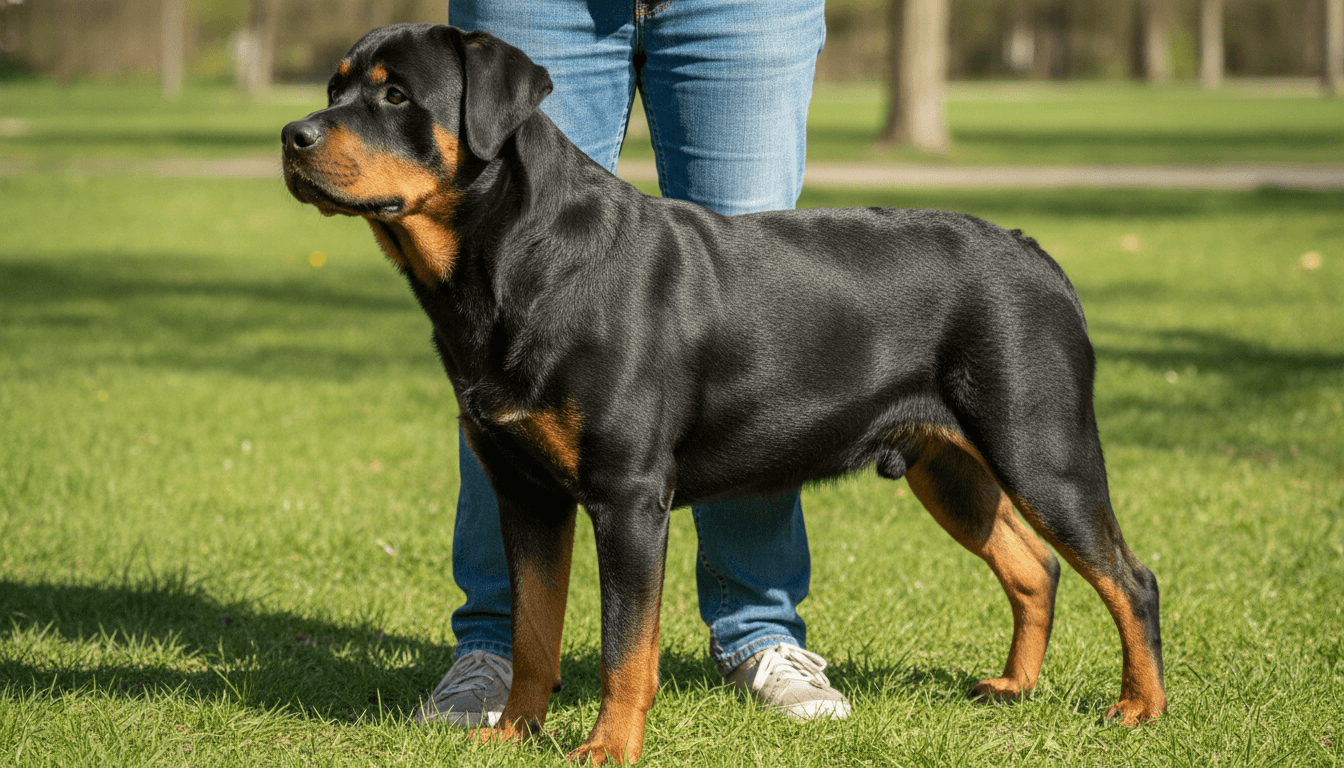
A full-grown rottweiler lab mix typically weighs 70 to 100-plus pounds and stands 22 to 28 inches at the shoulder. Males usually sit at the top of that range; females tend to be lighter and shorter. Both parent breeds are large and heavy-boned, so a Labrottie is reliably a big, substantial dog — plan for a dog you can physically manage on leash.
Most reach full height by 12 to 14 months and keep filling out to adult weight until 18 to 24 months. Large dogs finish growing later than small ones. Do not let a growing Labrottie carry extra weight during that window, because excess pounds strain developing joints and raise the long-term risk of the hip problems covered below. Feed a large-breed puppy formula and keep meals measured rather than free-fed.
| Measure | Typical adult range |
|---|---|
| Weight | 70–100+ lb |
| Height (at shoulder) | 22–28 in |
| Full height reached | 12–14 months |
| Full weight reached | 18–24 months |
| Lifespan | 10–13 years |
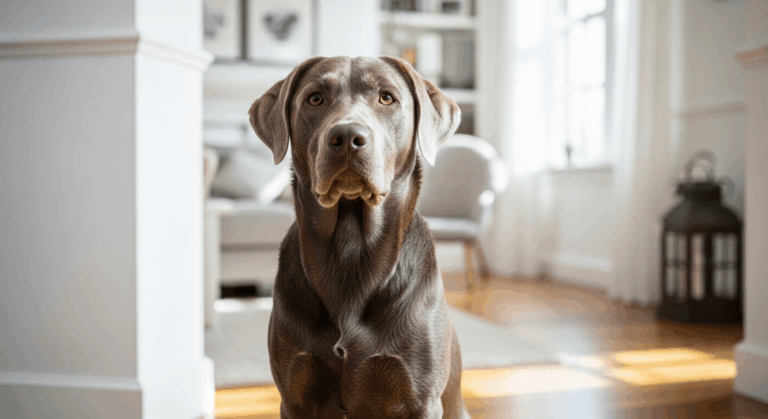
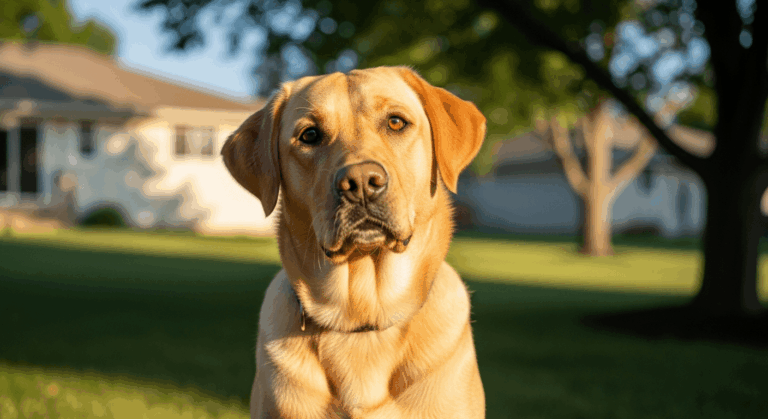
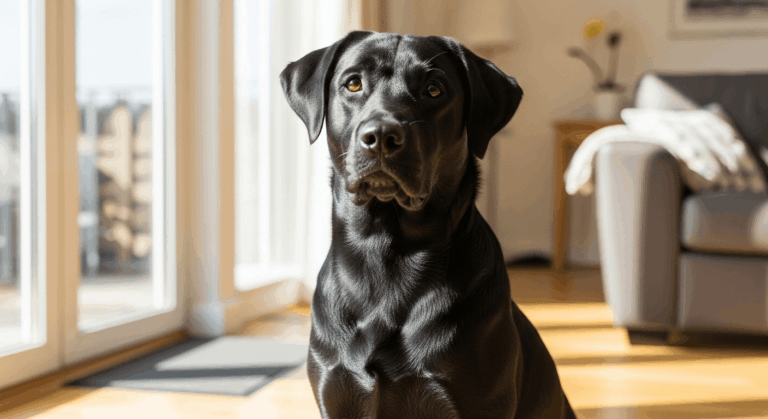
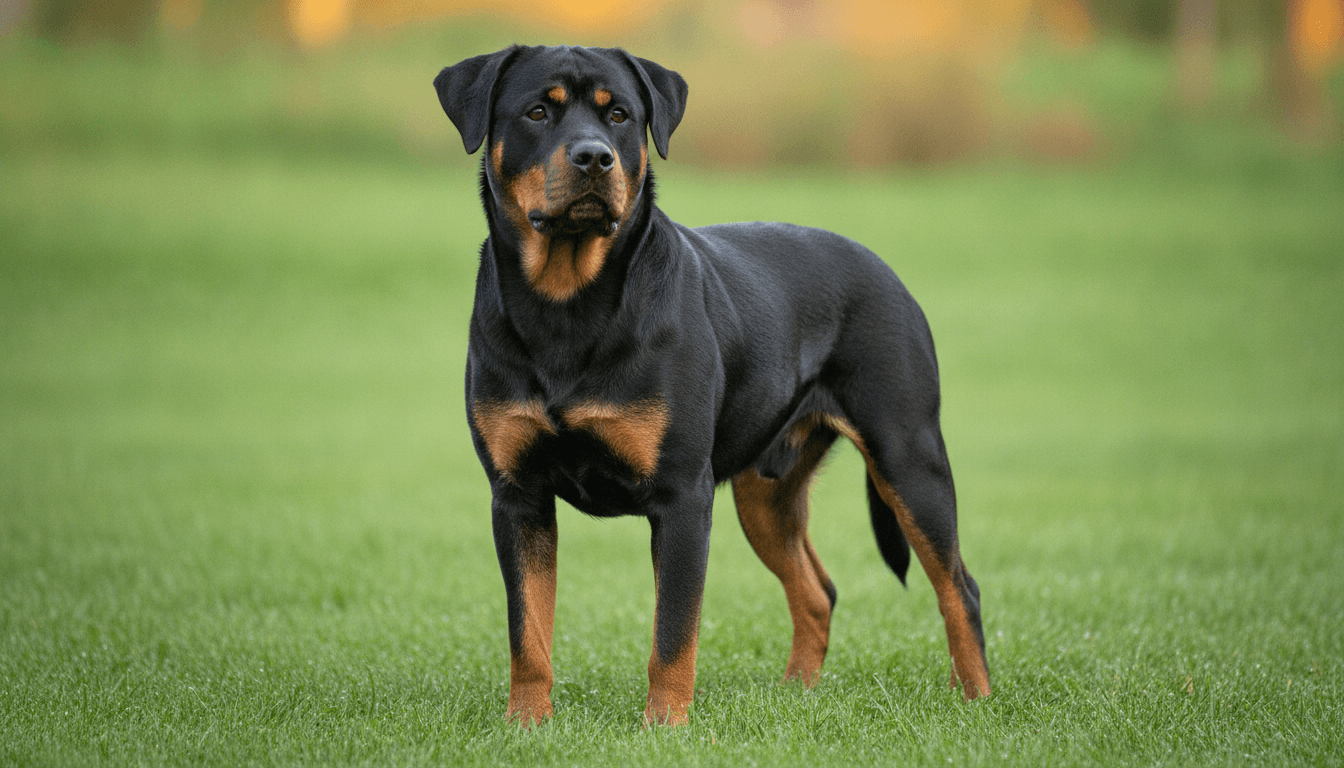
Appearance is a genuine lottery with this cross. Most have a short, dense coat, a broad head, a deep chest, and a strong, square build. Coat color is usually black, sometimes chocolate or yellow from the Lab side, and many carry the Rottweiler’s tan points over the eyes, on the cheeks, chest, and legs. If you want a predictable adult size, ask to meet both parents and get their exact weights — that is the single best predictor you have for a crossbreed puppy.
Rottweiler Lab Mix Temperament: Sweetheart or Guardian?
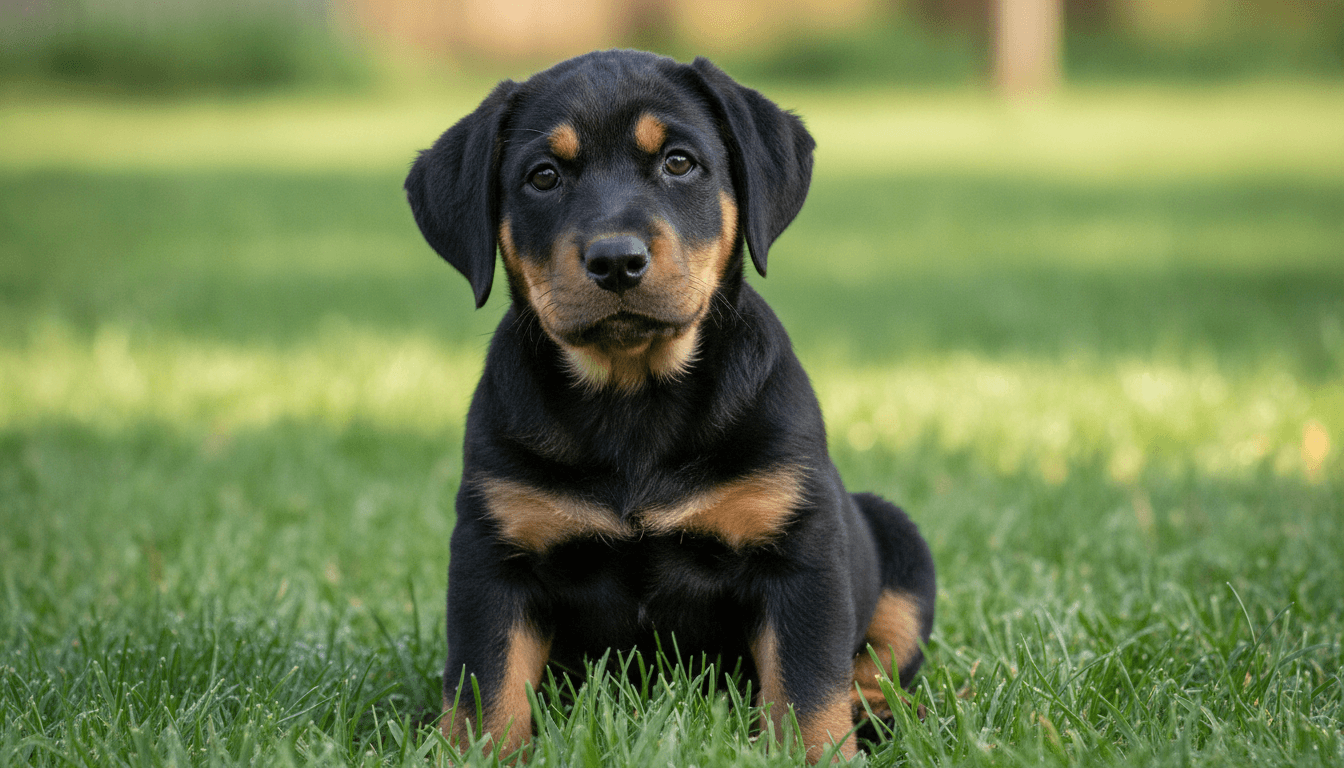
Temperament is the question every buyer should ask first, because a rottweiler lab mix can land anywhere between a goofy, affectionate Lab and a reserved, protective Rottweiler. Most fall in the middle: deeply loyal to their family, playful at home, and naturally watchful around strangers. This is not a switch you flip — where a dog lands depends on genetics and, above all, on early socialization.
Both parent breeds bond hard to their people. A Labrottie usually wants to be with the family, not left alone in a yard, and it can be gentle and patient with the children it grows up with. The Rottweiler side adds confidence and a guarding instinct, so many will bark at or size up an unfamiliar visitor. That instinct is normal, but it is not a product to be encouraged — a well-raised rottweiler lab mix should be stable and discerning, not suspicious of everyone.
Because this is a large, powerful dog, temperament management is non-negotiable. Supervise all interactions with small children; a 90-pound dog can knock over a toddler in play without any bad intent. Skip the “guard dog” hype you see online — deliberately building suspicion in a strong, under-socialized dog is how you create a liability. The goal is a confident, friendly companion that happens to be watchful, and that outcome is built through training, not bloodline marketing. For a close comparison, our German Shepherd Lab mix guide covers a similar working-breed blend.
Exercise, Training & Socialization
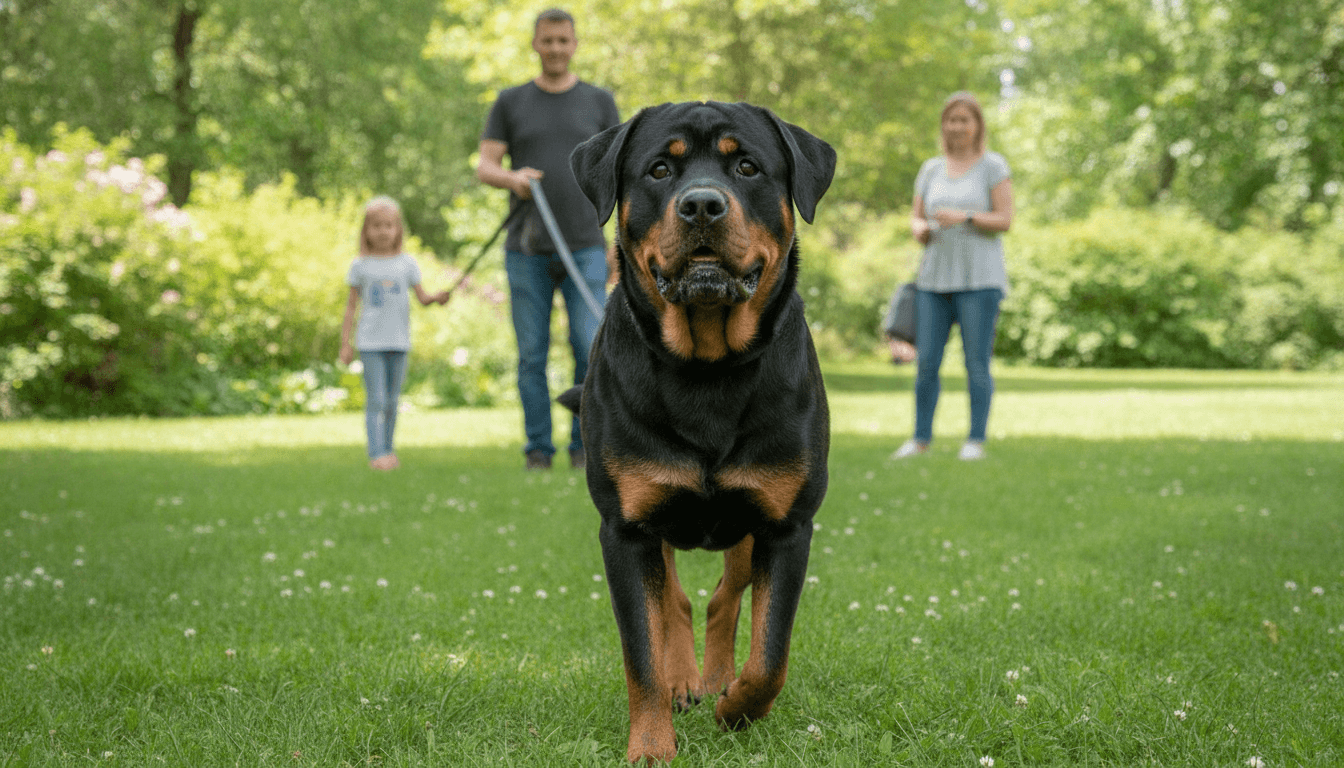
A rottweiler lab mix needs at least 60 to 90 minutes of real exercise every day. Both parents were bred to work, and a Labrottie carries that engine — expect a dog that wants to walk, run, fetch, swim, and problem-solve, or it will find its own outlets in your furniture. Split activity into two sessions where you can, and pair physical work with mental work like puzzle feeders and short training drills.
Training this cross is rewarding but demands consistency. The Lab side is food-motivated and eager to please, while the Rottweiler side can be independent and testing, especially in adolescence. Use reward-based methods, keep sessions short and upbeat, and be calm and consistent — harsh corrections backfire badly with a strong, sensitive dog. Because an adult Labrottie is large and powerful, teaching loose-leash walking, a reliable recall, and a solid “off” early is not optional. Our Labrador training guide lays out a positive routine that works well here.
Socialization is the single most important thing you will do. Use the window from 8 to 16 weeks intensively — puppy classes, calm meetings with new people and dogs, and varied sights and sounds. A guarding instinct that is never channeled by broad early socialization can harden into reactivity by 12 to 18 months, and reshaping a driven adult is far harder than shaping a puppy. A well-socialized rottweiler lab mix is confident and settled; an isolated one is not.
Coat, Colors & Grooming
A rottweiler lab mix almost always has a short, dense double coat that is low-effort to groom but far from shed-free. The most common look is a black coat with Rottweiler-style tan points, though chocolate and yellow appear when the Lab genes dominate. Whatever the color, this is a working coat built for weather, not a delicate one.
Do not mistake “short coat” for “no shedding.” A Labrottie sheds year-round and blows its coat harder twice a year, courtesy of the Labrador’s dense double coat. A weekly brush with a rubber curry or short-bristle brush pulls loose hair before it lands on your floors; step up to two or three times a week during heavy sheds. Bathe only when the dog is genuinely dirty — over-bathing strips the natural oils that keep the coat healthy.
The rest of the routine is simple: trim nails every few weeks, brush the teeth, and check the ears regularly, since folded ears can trap moisture and lead to infections. That is the whole grooming picture for most dogs of this cross.
Rottweiler Lab Mix Health Issues & Lifespan
A rottweiler lab mix has a typical lifespan of 10 to 13 years and can inherit health risks from both parent breeds. Crossbreeding does not cancel out breed disease — it stacks the possibilities from each side. Buying from a breeder who health-tests both parents is the most effective way to lower the odds.
Joint disease is the top concern, because both Labradors and Rottweilers are prone to hip and elbow dysplasia. Ask for OFA or PennHIP hip clearances on both parents, and keep a growing puppy lean to protect its joints. For what this condition costs and how to screen for it, see our Labrador hip dysplasia guide.
Bloat is the emergency to know cold. Both parents are deep-chested, which raises the risk of gastric dilatation-volvulus (GDV) — a sudden twisting of the stomach that most veterinarians treat as a life-threatening emergency requiring immediate surgery. Learn the signs before you bring a dog home: a distended belly, unproductive retching, drooling, and restlessness. Feeding smaller meals and avoiding hard exercise right after eating can help reduce the risk.
Both breeds also carry eye conditions such as progressive retinal atrophy and cataracts, so ask for a recent eye exam on the parents. Rottweilers add an above-average cancer rate and some heart concerns, including aortic stenosis. None of this means a rottweiler lab mix is a sickly dog — most live long, active lives — but go in with eyes open, request hip, elbow, eye, and cardiac clearances, and keep the dog lean for life.
Is a Labrottie Right for You? Home Fit & Cost
A rottweiler lab mix suits an experienced, active household with time to train, exercise, and socialize a large, powerful dog every day. It is a poor match for a first dog, a sedentary home, or anyone drawn in by the “guard dog” image. If you want a loyal family companion and you will put in the work, this cross can be superb; if you want a low-effort pet, keep looking.
Expect a Labrottie puppy to cost roughly $500 to $1,500 from a breeder, with regional and pedigree swings on top. Because this is a crossbreed rather than a show breed, prices usually run below a purebred Rottweiler or Lab — and a suspiciously low price is a warning sign, not a bargain. The bigger number is lifetime cost: food, routine veterinary care, preventives, training, and gear for a 70-to-100-pound dog add up, and the inherited health risks above can bring surgical bills. Budget for pet insurance or an emergency fund.
Adoption is well worth considering. Rottweiler-lab-type dogs turn up regularly in shelters and breed rescues, often already vetted and temperament-tested, and an adult rescue lets you see the dog’s true size and personality up front — which sidesteps the crossbreed guessing game entirely. Skip any breeder who will not let you meet the parents, hides health testing, or sells on “designer rarity.” For the wider picture on this and related crosses, start with our Labrador Retriever breed guide.
Frequently Asked Questions About the Rottweiler Lab Mix
How big does a rottweiler lab mix get?
A full-grown rottweiler lab mix usually weighs 70 to 100-plus pounds and stands 22 to 28 inches at the shoulder, making it a large dog. Males tend toward the top of the range and females toward the bottom. Adult size depends heavily on which parent the puppy takes after, so meet both parents to gauge it.
Is a Labrottie a good family dog?
Yes, for the right home. A Labrottie is loyal, affectionate, and can be gentle with children it grows up with. The catch is size and drive: it is large, powerful, and watchful, so it needs early socialization, daily exercise, and supervision around small kids. It fits experienced, active families best.
Are rottweiler lab mixes aggressive?
No, not by default. A well-bred, well-socialized rottweiler lab mix is stable and friendly, not aggressive. The Rottweiler side adds a natural wariness of strangers, which is normal guarding instinct — not the same as aggression. Poor breeding, isolation, and encouraging “guard dog” suspicion are what create problems, so socialize early and train with positive methods.
How long do rottweiler lab mixes live?
A rottweiler lab mix typically lives 10 to 13 years. Lifespan improves with a lean weight, daily exercise, and parents screened for hip, elbow, eye, and heart conditions. Keeping the dog at a healthy weight and knowing the signs of bloat are two of the biggest levers you control.
Do Labrotties shed a lot?
Yes, more than the short coat suggests. A Labrottie sheds year-round and blows its coat harder twice a year, thanks to the Labrador’s dense double coat. A weekly brushing keeps it manageable, increasing to a few times a week during heavy sheds. Short does not mean shed-free.
A rottweiler lab mix is a rewarding dog for the right home — loyal, athletic, and trainable — but it demands daily exercise, early socialization, and honest health screening from both parents. If that matches your life, meet the parents, ask for hip, elbow, eye, and cardiac clearances, and choose on temperament over color or hype. To see how this cross fits the wider breed picture, start with our Labrador Retriever breed guide.