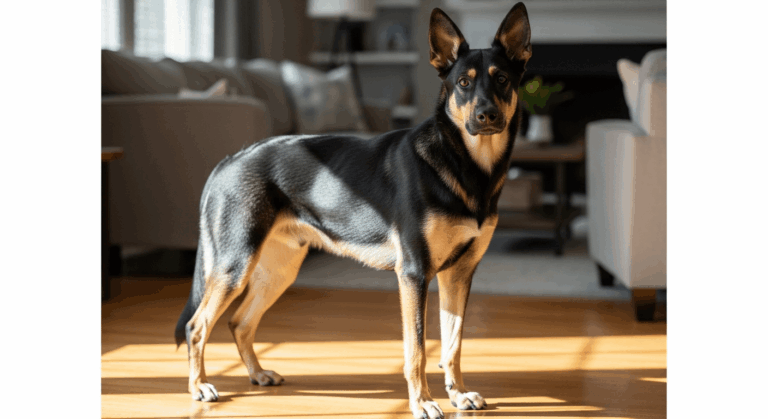
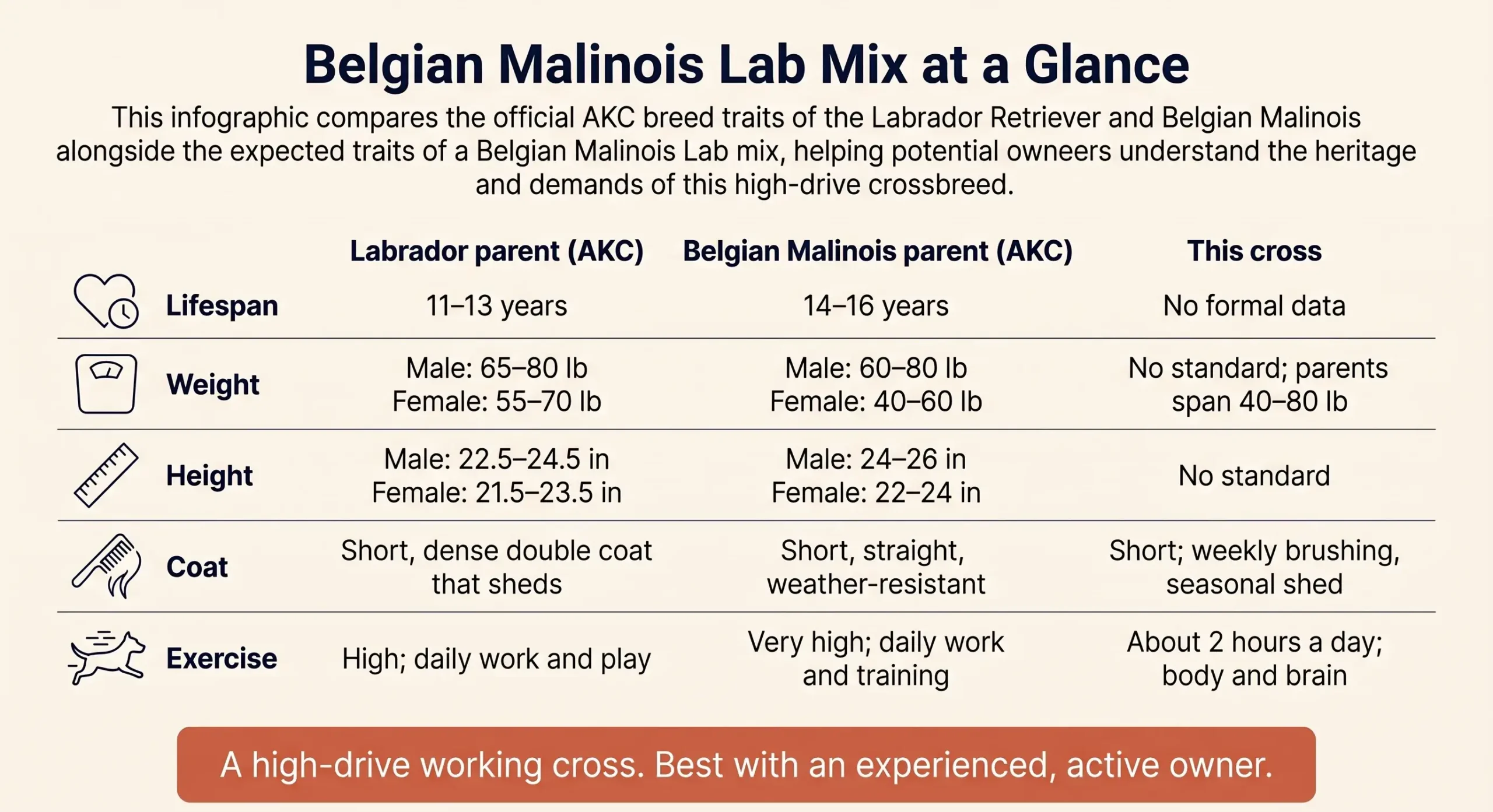
A belgian malinois lab mix is an athletic, high-drive cross whose parents weigh from 40 to 80 pounds. The American Kennel Club lists Malinois males at 60–80 pounds and females at 40–60. For the Labrador, males weigh 65–80 pounds and females 55–70.
There is no breed standard for this cross, so those are the parents’ numbers, not a promise. Here is the promise we will make: a belgian malinois lab mix needs hours of real work every week. If you wanted a Lab, this is probably the wrong dog.
Belgiador Is Still a Malinois Cross
Belgiador is the most common name for this dog. Malinois Lab mix and Malinador show up too. All of them describe a Belgian Malinois crossed with a Labrador Retriever. None is an AKC breed.
The Malinois comes from the area around Malines in northwestern Belgium. It is one of four closely related Belgian herding breeds. Today it is best known as a police and military dog, prized for speed, focus, and a near-endless will to work.
The Lab was bred to retrieve for hunters. It is also a working breed, and a busy one. It just tends to switch off more easily at home.
Most puppies sold as a belgian malinois lab mix are first-generation crosses, with one purebred parent of each breed. Some come from two mixed parents, and those litters vary even more. Shelters often list these dogs as “shepherd mix” or “Lab mix,” so a DNA test can help, as long as you treat it as an estimate.
Some sellers pitch this cross as a calmer Malinois. That is the idea we push back on. The Lab parent may soften a puppy’s drive, or it may not. Littermates can split both ways, and a belgian malinois lab mix can carry nearly all of its Malinois parent’s intensity.
Drive is the word trainers use for a dog’s urge to chase, grab, and work. High drive is a gift in a police K9. In a family home with no outlet, it becomes chewing, spinning, fence-running, and nipping.
The breed club puts it plainly: problems set in when this people-oriented breed is “underemployed and neglected.” Plan as if your belgian malinois lab mix got the Malinois engine.
What the Build Takes From Each Parent
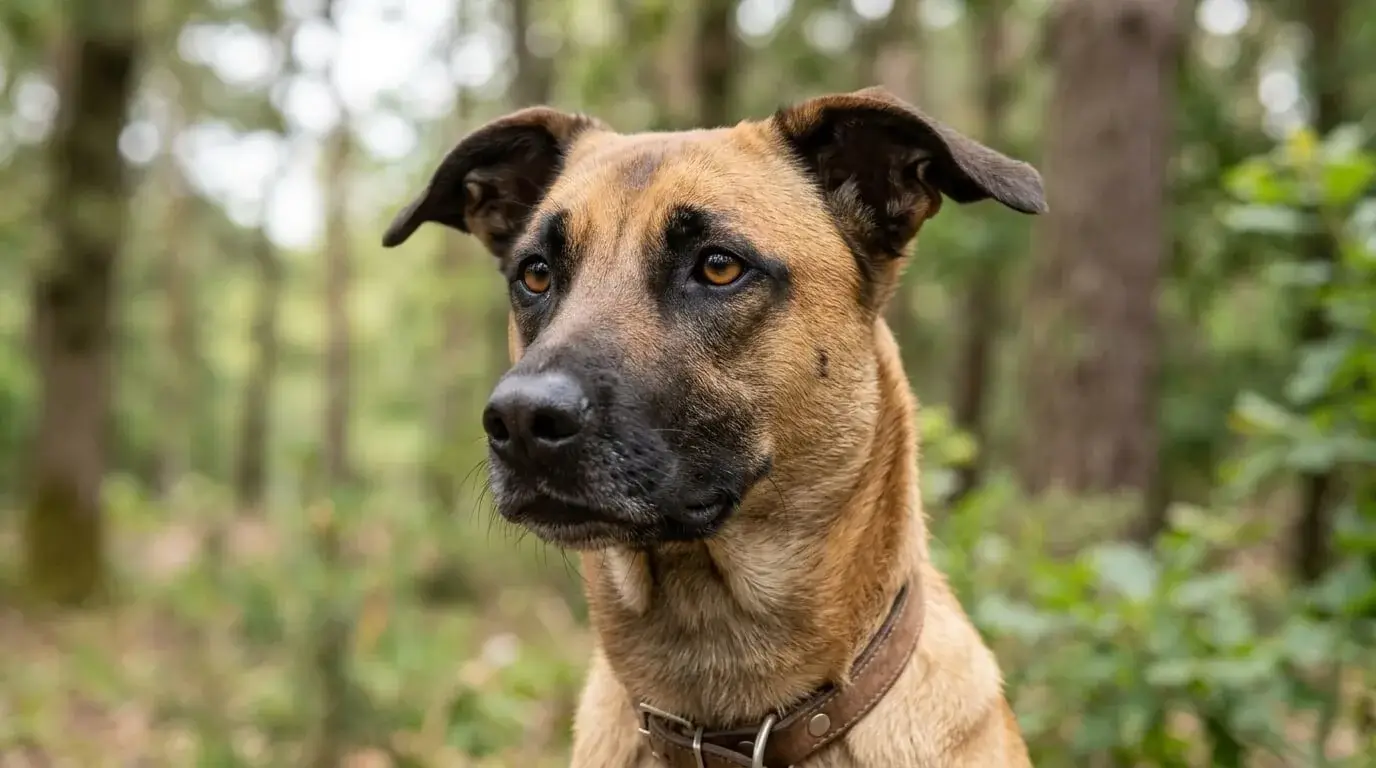
Size lands in the parents’ range. Malinois males stand 24–26 inches tall and females 22–24, per the AKC. The Lab is a little shorter, from 21.5 inches for a small female up to 24.5 for a tall male.
A typical belgian malinois lab mix is medium to large and lean. The Malinois frame is square, light-boned, and built for speed. The Lab frame is thicker, with a broader head and an otter tail. Expect something in between: athletic, fast, and often lighter than a Lab of the same height.
Coat is usually short. The Malinois has a short, waterproof coat that the AKC calls easy to care for. The Lab coat is short and dense. Brushing once a week, and more during seasonal sheds, is usually enough.
Color in a belgian malinois lab mix often follows the Malinois: fawn to mahogany, with a black mask and black-tipped ears. Black and yellow Lab colors show up too. Some puppies have the Malinois mask on a black-and-tan body. Others look like a lean yellow Lab.
Ears vary. Malinois ears stand erect. Lab ears drop. Many crosses end up with semi-erect ears that fold at the tips.
Growth takes time. A belgian malinois lab mix usually reaches adult height by about a year, then fills out through the second year. The adolescent stretch, from about 6 to 18 months, is when drive and testing peak. Expect a lanky, fast, mouthy teenager before you get the adult.
This cross is not hypoallergenic. Both parents shed.
Weekly upkeep is light:
- Brush once a week with a rubber curry or a short bristle brush.
- Trim nails every few weeks, since a fast dog on long nails changes its gait.
- Check and dry drop ears after swims.
- Brush teeth several times a week.
Protection Instinct Versus a Friendly Lab
Guests are where the parents of a belgian malinois lab mix differ most. A Lab usually greets strangers like old friends. A Malinois is often watchful, reserved, and quick to alert.
Your dog may be anywhere on that line. Some are social and easygoing. Others are alert, protective, and suspicious of new people. Many are friendly once introduced but loud at the door.
For a belgian malinois lab mix, that instinct needs structure early. Between about 8 and 16 weeks, let the puppy meet many calm adults, children, dogs, sounds, and places. Pair each new thing with food. Keep going through adolescence, when guarding traits often grow.
Do not train a pet toward protection work. Bite sports and personal-protection training belong with experienced handlers and professional trainers. A pet that has been taught to bite, without the control a working K9 learns, is a liability.
Our piece on how protective Labs really are covers the retriever side. Most Labs alert and then want to meet the visitor. A Malinois-leaning cross may alert and hold.
Prey drive is the other half. Malinois have a high prey drive and a strong interest in moving objects, according to the AKC. That can mean chasing kids, bikes, cars, or cats. Teach a solid “leave it” and recall, and keep a leash on near roads.
Children need clear rules with this dog. A high-drive adolescent can knock over a toddler or grab at a running child’s sleeve. Supervise, and teach kids to stand still if the dog gets excited.
The Work Day: Exercise and Training Time
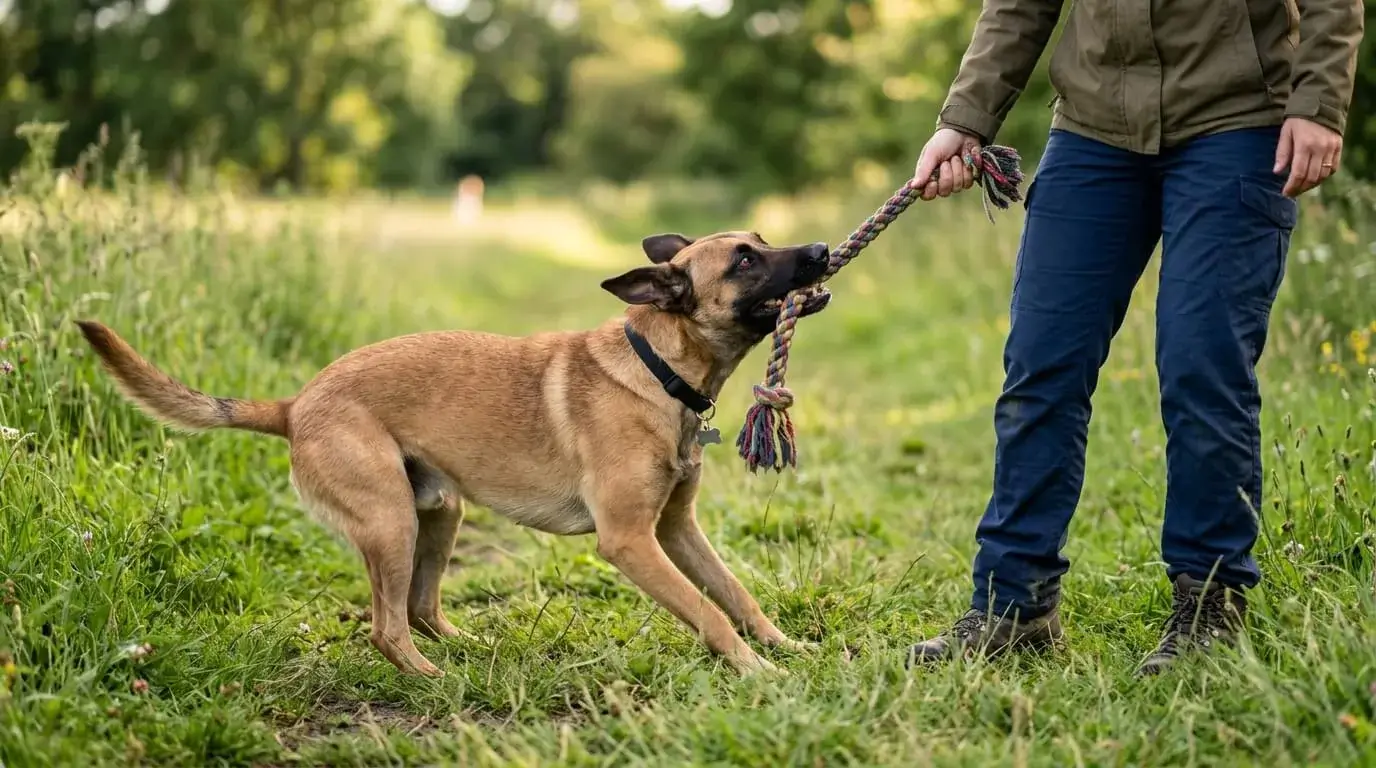
Plan for two hours of activity for an adult belgian malinois lab mix on most days. That includes physical exercise and mental work. A single walk around the block does not come close.
A realistic day for a grown dog:
- A 45-minute run, bike ride, or hike in the morning.
- 15 minutes of obedience or trick training.
- A tug and fetch session at midday or after work.
- A puzzle feeder or scent game for dinner.
- A 30-minute evening walk with time to sniff.
For a belgian malinois lab mix, mental work matters as much as miles. Both parents were bred to work with a handler. Scent work, obedience, rally, agility, and dock diving all fit this cross well. Many owners join a club so the dog has a weekly structured job.
Our guide to how much exercise a Lab needs gives the retriever baseline. Expect the Malinois half to push well past it.
Bad weather does not cancel the work. On rainy or icy days, swap the run for indoor scent games, a flirt pole in the garage, or 20 minutes of trick training. A dog of this type still needs its daily outlet, even when the weather is bad.
Rest is part of training too. A high-drive belgian malinois lab mix often needs to be taught an off switch. Practice calm settles on a mat, reward quiet, and use a crate as a place to decompress.
Puppies need a gentler plan. Hold off on forced running and repeated jumping until your vet confirms the joints are mature, often between 12 and 18 months. Short training games and free play are enough early on.
Training style matters. Both parents learn fast and love to work for food and toys. Use short, upbeat sessions and reward-based methods. Harsh corrections can make a sensitive, intense dog more reactive.
For a similar energy level with a herding twist, compare the aussie labrador mix. Both need work. The Malinois cross usually needs more.
Who Should Walk Away
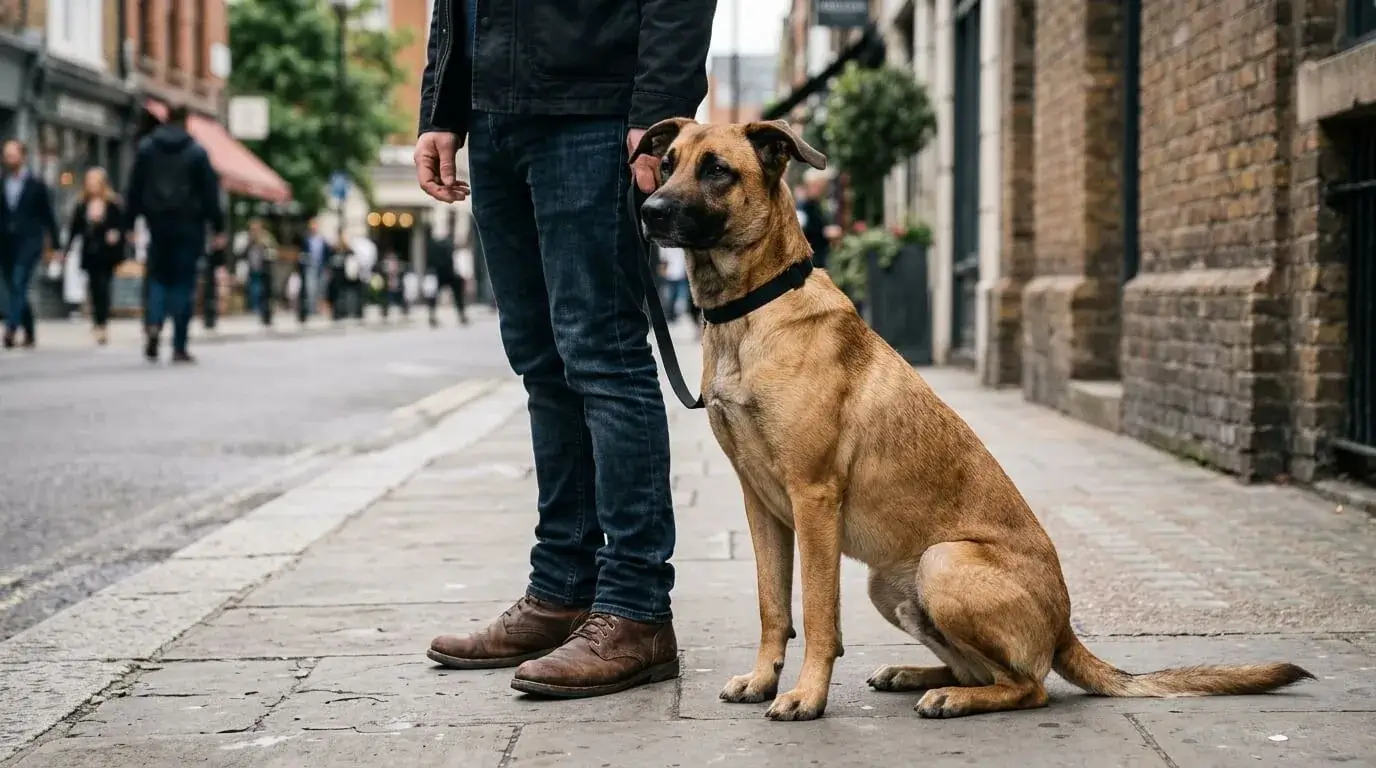
We say this plainly because the ranking pages do not: a belgian malinois lab mix is not a beginner’s dog.
Walk away if:
- This is your first dog.
- You work long hours and the dog would be alone most of the day.
- You do not have a secure fence.
- You want a jogging buddy only on weekends.
- You have toddlers and cannot supervise a strong, fast adolescent.
- You want a dog that is calm by default.
A good fit looks different. It is an active, experienced owner who trains daily and enjoys it. It is often someone who already does a dog sport, or wants to start.
Cost is part of the fit. Expect to pay for classes, a club membership, sturdy toys, and a good crate. A bored dog of this type can do real damage to furniture, doors, and fences.
Rescues often see this cross come back from homes that underestimated it. An adult belgian malinois lab mix from a rescue that fosters in homes can be a good choice. The foster can tell you how the dog acts with strangers, kids, and other dogs.
Health Papers
No mix-specific health study exists for the belgian malinois lab mix. The questions come from the parents.
Responsible Malinois breeders screen for hip and elbow dysplasia and certain eye problems. The breed club recommends hip, elbow, and eye evaluations. Labs are commonly screened for hips, elbows, and eyes as well.
Ask for:
- Hip and elbow results on both parents.
- A recent eye exam by a veterinary ophthalmologist on both parents.
- Any history of seizures or allergies in close relatives.
Keep your dog lean. A lean, fit dog of this type puts less strain on its joints, and the Lab parent adds a big appetite.
Feed for the work the dog actually does. A belgian malinois lab mix in daily sport training may need more calories than a pet on walks only. Ask your vet to check body condition at each visit. You should be able to feel the ribs easily under a thin layer of fat.
Lifespan has no firm number. The AKC gives Malinois 14–16 years and Labs 11–13. No formal data exists for a belgian malinois lab mix.
FAQ
Are they good with kids?
Sometimes, with an experienced owner and a lot of supervision. High drive and prey drive can lead to chasing and nipping. Older, dog-savvy kids are a better match than toddlers.
Are they aggressive?
Not by default, but many a belgian malinois lab mix is protective and watchful. Early socialization and reward-based training lower the risk. Avoid bite or protection training for a pet.
How much exercise do they need?
Around two hours a day for an adult, split between physical exercise and mental work. Less than that often leads to destructive behavior.
Are they easy to train?
They learn fast, since both parents are smart and eager to work. The challenge is the drive, not the learning. Daily, reward-based sessions keep this cross focused.
A belgian malinois lab mix is a working dog first and a pet second. Plan the daily job before you plan the name.
If the fit is wrong, our Labrador mixes include calmer options. The Labrador Retriever breed guide explains what the retriever parent adds, and why it cannot switch off a Malinois engine on its own.