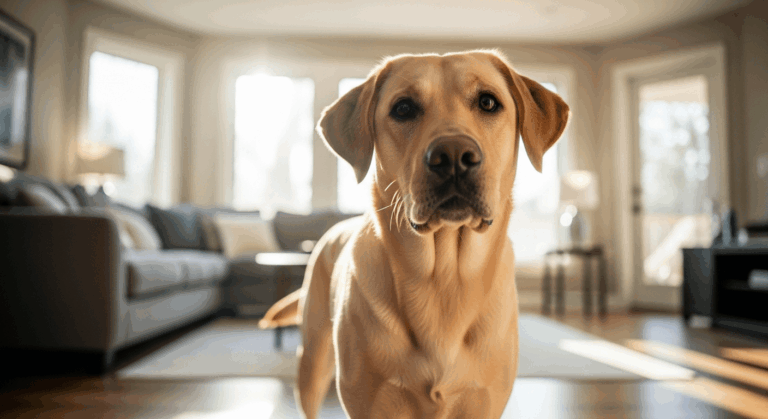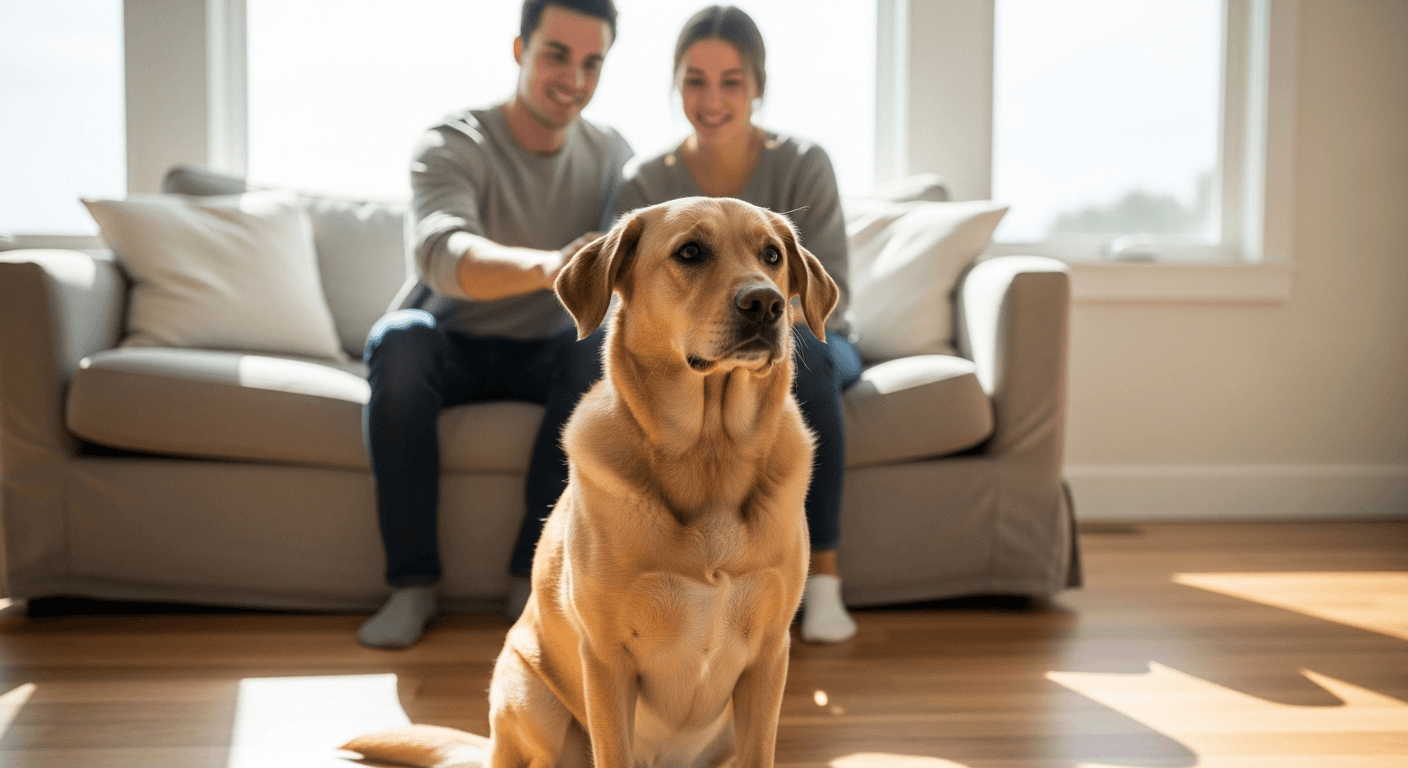
The Goldador brings together the two most popular retriever breeds in the US, and the intent behind the cross is practical: the Labrador’s durability and food drive paired with the Golden Retriever’s emotional attunement. The result is usually a sociable, highly trainable dog. But this is a first-generation cross, so an individual dog can lean noticeably toward either parent. Here is the honest profile before you commit.
A Goldador is a first-generation cross between a Golden Retriever and a Labrador Retriever. The mix produces a sociable, highly trainable dog that usually inherits the Lab’s physical robustness and the Golden’s softer temperament. Adult Goldadors weigh 55–80 lbs and carry a medium-length coat that sheds moderately year-round.
Goldador Appearance: Size, Coat and What They Look Like
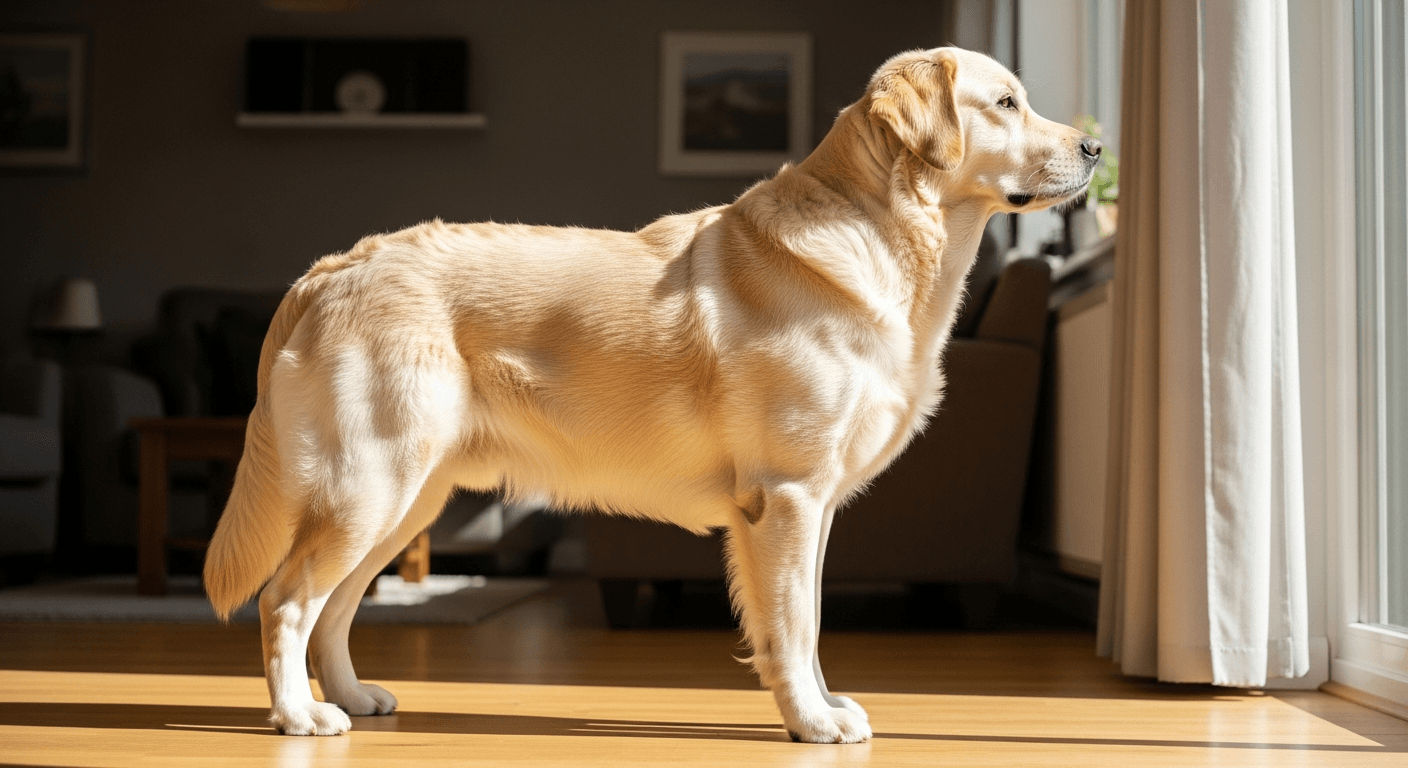
This cross is always a large dog. Both parents are large sporting breeds, so expect 55–80 lbs and 21–24 inches at the shoulder regardless of which parent the dog favors. There is no small version of this cross.
The coat ranges from a short Lab-type coat to a medium Golden-type coat. Most land in between — a dense, medium-length coat with moderate feathering on the chest, legs, and tail. Color runs from cream through gold to dark gold, driven by the Lab parent’s coloring. A yellow Lab parent tends to produce cream-to-gold pups; a black or chocolate Lab can produce darker coats. Eyes are usually warm brown.
In build, the Lab’s denser, more muscular frame tends to dominate, while the face often shows more Golden influence — a broader skull and a gentler expression than a typical Lab. One thing to expect: within a single litter, puppies can look quite different from each other. That variation is normal for a first-generation (F1) cross. For the parent breed’s baseline traits, see our Labrador Retriever breed guide.
Goldador Temperament and Personality
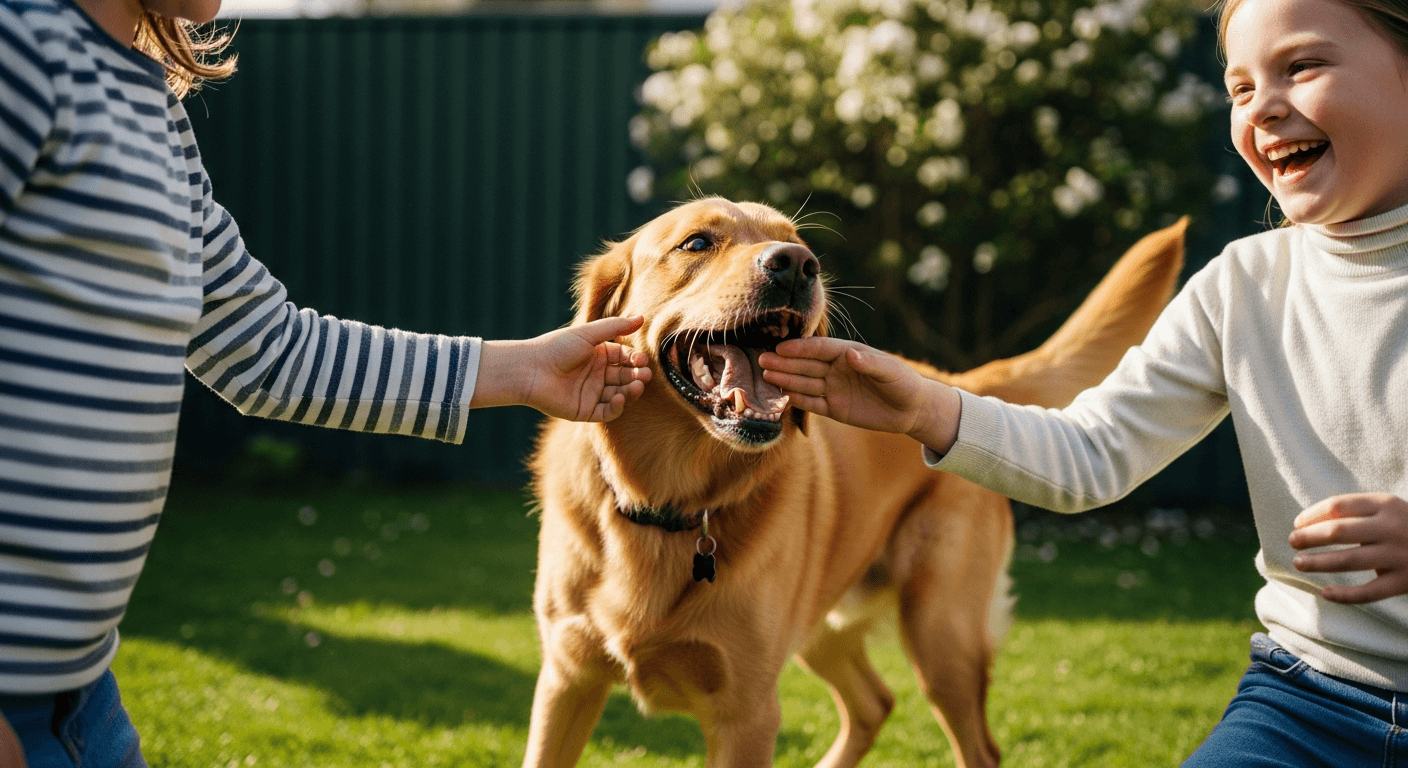
Temperament is one of the more predictable among F1 crosses, precisely because the two parent breeds share so much. Both Labs and Goldens are sociable, affectionate, and highly trainable, and those traits show up reliably no matter which side the dog leans toward. It’s the same blueprint that makes plain Labs famous family dogs — our guide to Labradors with kids applies almost unchanged here.
Energy is high for the first 2–3 years, settling to medium-high from roughly age 3 through 7 to 8 before easing in the senior years. Neither parent is a low-energy breed, so this cross needs consistent daily exercise to stay balanced. This is not a dog that does well with long idle stretches.
Sociability is a defining trait. They are excellent with people, children, and other dogs, and they greet strangers as friends. Still, supervise around children under 6 — a large dog’s size and enthusiastic greeting can bowl a small child over regardless of temperament. That makes them poor guard dogs but outstanding therapy and service candidates — Labs and Goldens are the two breeds that dominate guide-dog work for exactly this reason. Most also inherit the Golden’s emotional sensitivity, so they respond best to positive reinforcement and can shut down under harsh handling.
What varies is the balance between Lab confidence and Golden attachment. Some are closely bonded, handler-focused dogs that follow you room to room. Others lean Lab — confident and happy to self-entertain. Both are fine outcomes; just be prepared for either, and meet the parents to gauge the likely lean.
Training a Goldador: What to Expect
They are among the easiest large dogs to train. Both parent breeds sit in the top tier for trainability, and the cross inherits high food motivation from the Lab side and handler attunement from the Golden side. Reward-based training works exceptionally well, while correction-heavy methods backfire — the Golden-influenced sensitivity means harsh corrections undermine confidence and raise anxiety.
The two common challenges are recall and jumping. Both Labs and Goldens get distracted by scents and other dogs, so a reliable recall takes consistent reinforcement, and most reach dependable off-leash recall between 12 and 18 months. Enthusiastic greeting is also baked in, so jumping on people shows up early; head it off with a firm four-on-the-floor rule from day one.
Start in puppyhood. The core socialization window runs from 8 to 16 weeks, and these puppies are eager, capable learners from 8 weeks old. Early socialization plus a basic obedience foundation prevents the over-excitability that is the most common adult problem. For the full method, see our Labrador training guide.
Goldador Health Problems and Life Expectancy
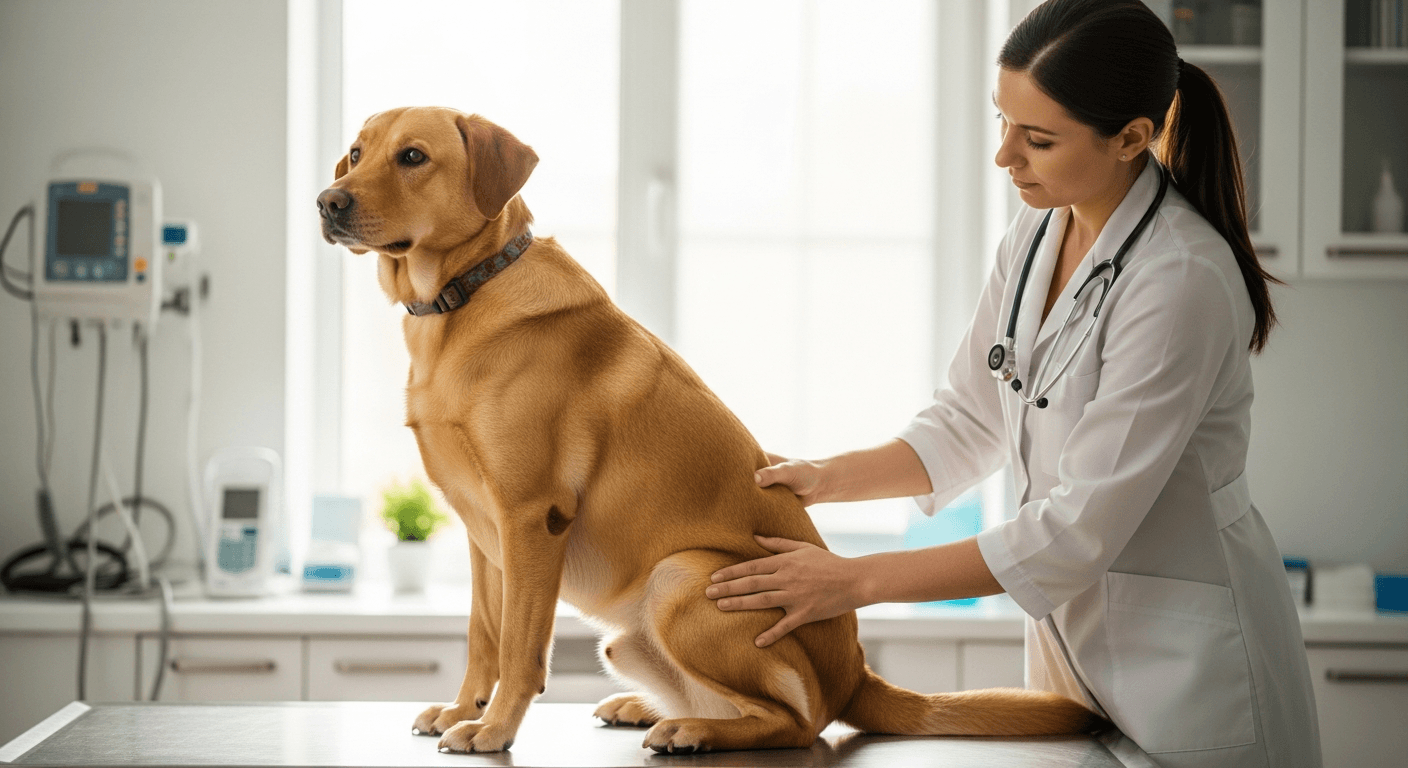
Life expectancy for the cross is typically 10–12 years. Both parent breeds have similar median lifespans, and the cross falls squarely in that range. The most important health work happens before you buy — by checking the parents’ health clearances.
Hip and elbow dysplasia are the headline concern. Both Labs and Goldens have elevated rates, so the cross inherits risk from both lines. Insist that both parents have OFA or PennHIP hip clearances and OFA elbow clearances, and do not buy a puppy without that documentation. For how this condition develops and is managed, see our guide to Labrador hip dysplasia.
Cancer is the Golden-side risk. Golden Retrievers have one of the highest cancer rates of any breed — by some estimates around 60% of Goldens die from cancer. Its cancer risk sits above a purebred Lab’s but below a purebred Golden’s, since the Lab genetics dilute it somewhat. Eye conditions and the Golden-linked heart condition subvalvular aortic stenosis are also worth screening, so ask for OFA/CAER eye exams, prcd-PRA DNA testing, and a cardiac exam of the Golden parent. For the breed’s wider health picture, see our Labrador health guide, and according to VCA Animal Hospitals, early screening is the single best predictor of healthy years.
Goldador Care: Exercise, Grooming and Daily Routine
Plan on 1.5–2 hours of exercise daily for an adult. Off-leash fetch and swimming are ideal, since both parent breeds carry strong ball and water drive. An under-exercised dog becomes destructive, so the routine is not optional.
Grooming is moderate. The medium coat needs brushing 2–3 times a week, more during the twice-yearly seasonal shed, and one with a heavier Golden-type coat needs more attention than a Lab. An undercoat rake handles the loose hair well. Trim nails every 4–6 weeks, and clean the ears monthly — both parents have floppy ears that trap moisture and invite infection.
On feeding, use a large-breed adult formula and measure portions. Both parent breeds are prone to obesity, so skip free-feeding; a dog at a healthy weight is lean through the ribs with a visible waist from above. A house with a yard suits them best, but apartment life works with a committed exercise routine. The AKC lists the Labrador parent among the most popular family dogs in the country, and a well-raised Goldador inherits that same family-friendly nature.
Frequently Asked Questions: Goldador
What is a Goldador?
A Goldador is a first-generation cross between a Golden Retriever and a Labrador Retriever. It is a large, sociable, highly trainable dog that usually combines the Lab’s robust build with the Golden’s softer temperament. Compare it with the bolder German Shepherd Lab mix or the pitbull lab mix if you want a different energy mix. Adults weigh 55–80 lbs and carry a medium-length coat that sheds moderately year-round.
Are Goldadors good family dogs?
Yes. It is one of the best family dogs among the popular crosses — friendly with children, sociable with other dogs, and eager to please. They need real daily exercise and early training, but their temperament is reliably gentle. They are not guard dogs; they greet strangers as friends.
How big does a Goldador get?
A Goldador reaches 55–80 lbs and stands 21–24 inches at the shoulder. Both parent breeds are large sporting dogs, so every Goldador grows into a large dog regardless of which parent it favors. Males tend toward the heavier end of the range.
Do Goldadors shed a lot?
Yes, moderately year-round with two heavier seasonal sheds. The medium-length coat needs brushing 2–3 times a week, and a dog with more Golden-type coat will shed more than one with a short Lab coat. Neither parent breed is hypoallergenic.
How long do Goldadors live?
A healthy Goldador lives 10–12 years, in line with both parent breeds. Lifespan depends heavily on weight management and on the parents’ health screening — hip, elbow, eye, and (from the Golden side) cardiac clearances all matter.
How much does a Goldador cost?
Expect $800 to $1,500 from a breeder who health-tests both parent lines — hips, elbows, and eyes at minimum. Cheaper litters usually mean skipped testing, which is where the cost moves to the vet bill later. Lab-Golden crosses also show up in shelters and breed-specific rescues regularly, typically at $150 to $400.
The Goldador is one of the most reliably successful crosses in the dog world: two compatible parent breeds producing a consistent, trainable, sociable result. The variables to manage are the health testing from both lines and the first-generation coat unpredictability. Get those right, and the Goldador is an excellent family dog. If you are still weighing the parent breeds themselves, our Labrador vs Golden Retriever comparison lays out the differences side by side.