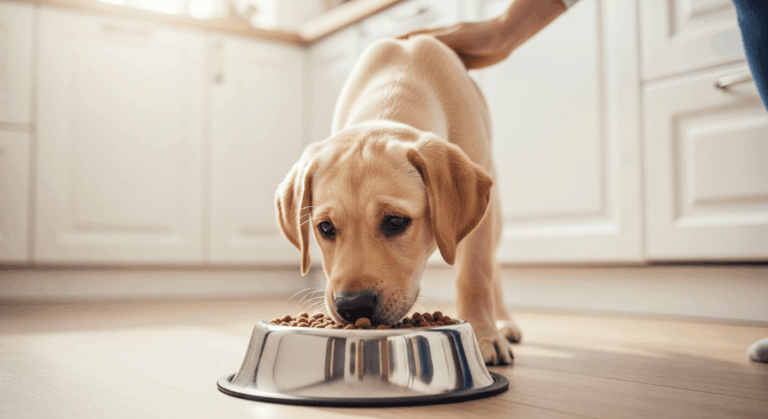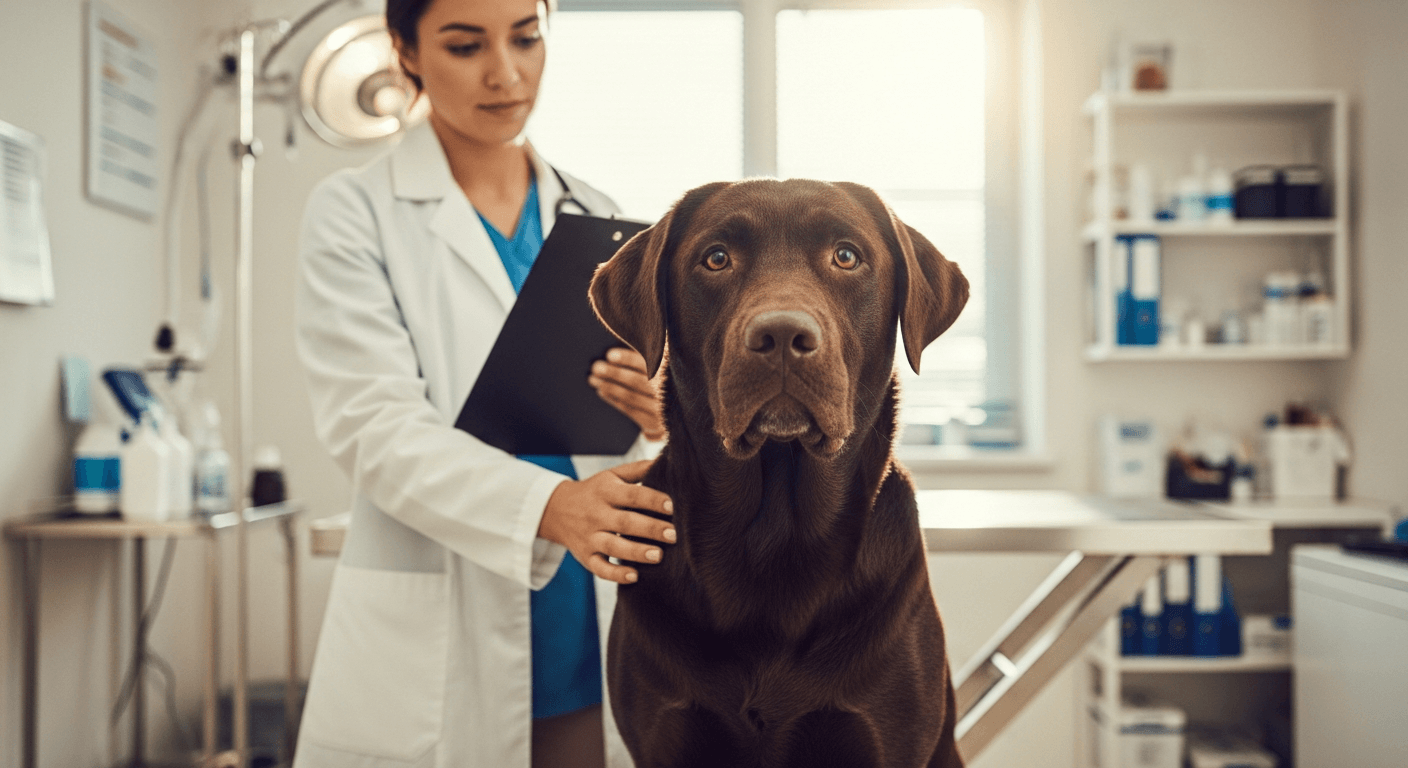
Labrador Retrievers are one of the hardiest large breeds, but they are not immune to health problems. Their anatomy, genetics, and extraordinary appetite — traits detailed in our Labrador Retriever breed guide — create a specific set of vulnerabilities that every Lab owner should understand before problems appear — not after.
This guide covers the most common Labrador health problems in practical detail: what each condition is, how to recognize it early, what treatment looks like, and what you can do to reduce your dog’s risk. We also cover the preventive care schedule that gives your Lab the best chance at a long, healthy life.
If you’re looking for a specific condition, use the section headings below to jump straight to it.
Joint Problems: Hip and Elbow Dysplasia
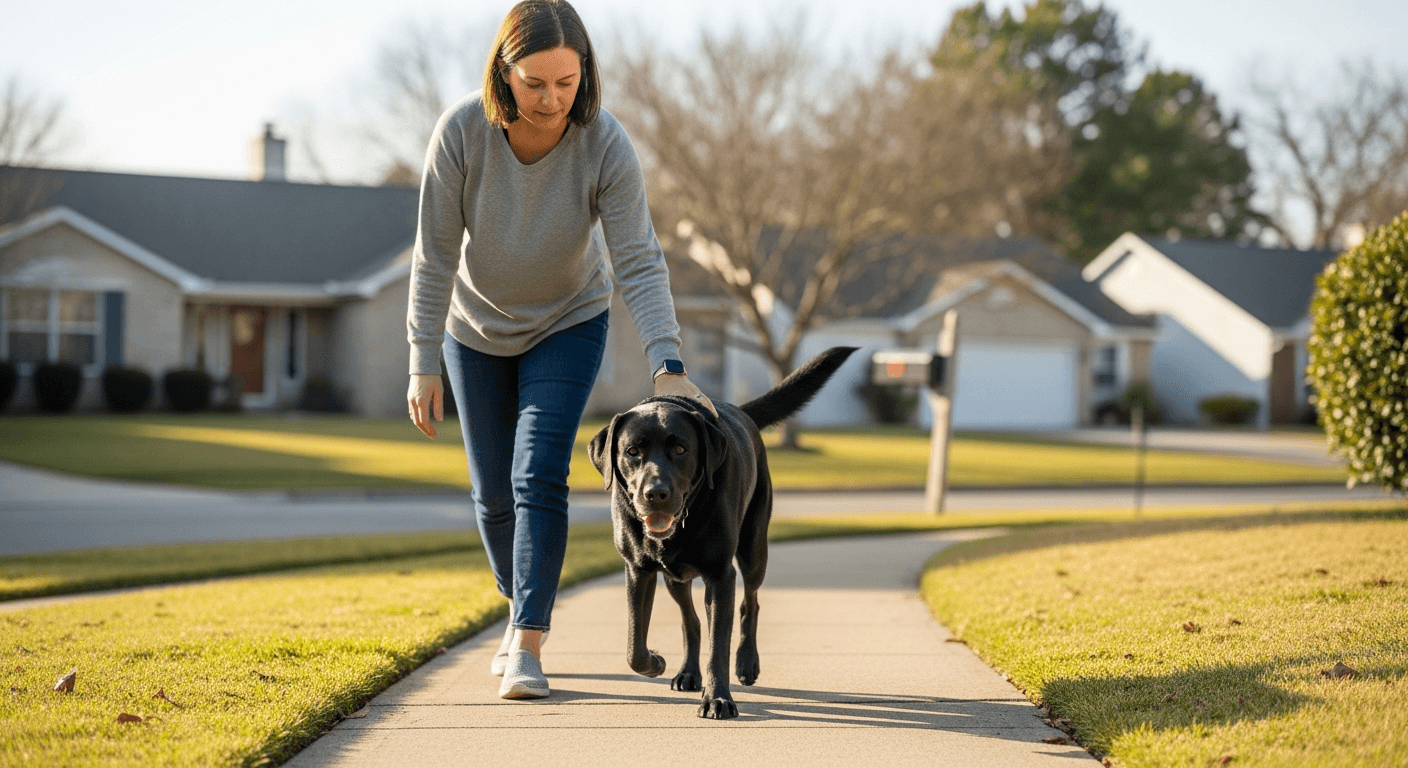
Hip and elbow dysplasia are the most talked-about Labrador health problems, and for good reason. Labradors are the breed most commonly diagnosed with hip dysplasia in the United States, according to the Orthopedic Foundation for Animals — a direct consequence of decades of breeding for size and retrieving drive without sufficient joint health screening.
What it is: Dysplasia means the joint developed abnormally. In the hip, the ball (femoral head) doesn’t sit cleanly in the socket (acetabulum), causing the joint to loosen, grind, and eventually degenerate. In the elbow, the three bones that form the joint develop at slightly different rates, creating chronic instability. Both conditions are partly genetic and partly influenced by growth-rate during puppyhood.
Signs to watch for:
– Reluctance to climb stairs, jump into the car, or rise from lying down
– A bunny-hop gait at the run (hips moving together rather than alternating)
– Stiffness after rest, especially on cold mornings
– Visible muscle loss in the hindquarters (late-stage sign)
– Reluctance to exercise in a dog that was previously active
When it develops: Many Labs show no symptoms until 2–4 years old, even if the joint has been developing abnormally since puppyhood. Some dogs show signs as early as 6–12 months. The condition worsens progressively — early detection and management extend comfortable, active years significantly.
What you can do:
Before bringing a puppy home, ask the breeder for OFA (Orthopedic Foundation for Animals) hip and elbow scores on both parents. A rating of “Good” or “Excellent” doesn’t guarantee the puppy won’t develop dysplasia, but it dramatically reduces the odds. Avoid breeders who haven’t screened their breeding stock.
During the growth phase (8 weeks to 18 months), limit high-impact exercise. No long runs, no repetitive stair climbing, no forced jogging. The growth plates are still open and the joint is forming — this is when developmental damage occurs. Short, frequent walks and free play on grass are appropriate. For the full framework, see our complete Lab training guide — it covers exercise limits by age in detail.
In adult dogs, weight management is the single most effective ongoing tool. Every extra kilogram of body weight adds roughly four kilograms of force to the hip joint with each step. Keeping your Lab lean is not optional if joint health is a concern.
Treatment: Ranges from weight management and anti-inflammatory medication to joint supplements (glucosamine, omega-3s) to surgical options (femoral head ostectomy or total hip replacement) in severe cases. A veterinary diagnosis and assessment is essential before starting any treatment — self-managing suspected dysplasia without a diagnosis frequently delays appropriate care.
Ear Infections: The Most Common Labrador Health Complaint
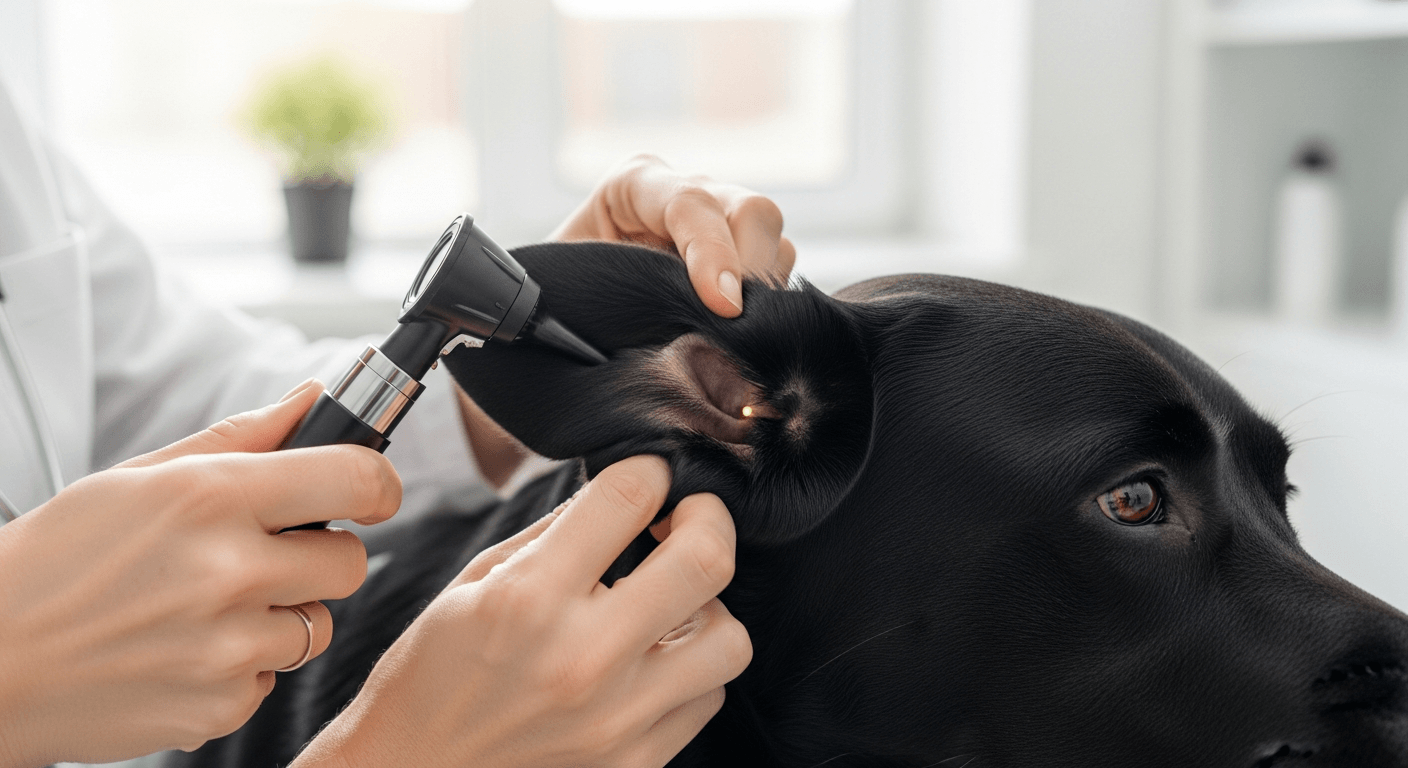
If you asked any Labrador vet what they see most often, ear infections would be near the top of the list. Labs are structurally predisposed to them in two ways: their floppy ears trap moisture and restrict airflow to the ear canal, and their love of water means that canal gets wet frequently. For the full breakdown of causes, treatment, and prevention, see our Labrador ear infections guide.
What it is: A bacterial or yeast infection of the outer ear canal (otitis externa). The L-shaped anatomy of a dog’s ear canal makes it nearly impossible for moisture, wax, and debris to drain naturally — creating a warm, dark, moist environment where bacteria and yeast multiply rapidly.
Signs to watch for:
– Head shaking or tilting the head to one side
– Pawing at the ear or rubbing it along the floor
– Odor from the ear — often described as musty or sweet
– Dark, waxy, or crumbly discharge visible at the ear opening
– Redness or swelling around the ear canal opening
– Flinching or yelping when the ear is touched
What you can do:
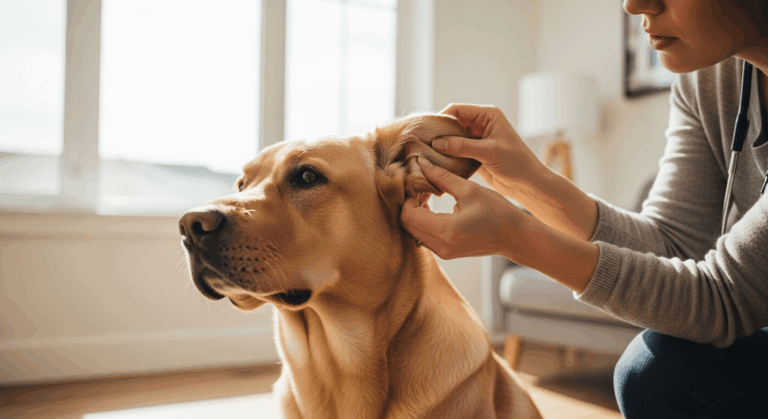
Check ears weekly. Lift the ear flap and look at the canal entrance — it should be clean, light pink, and odor-free. A small amount of light-colored wax is normal. Dark wax, discharge, or any odor is not normal.
Dry ears thoroughly after every swim or bath. Water left in the ear canal is the primary trigger. Use a cotton ball (never a cotton swab — they push debris deeper) to gently dry the canal opening. A veterinary-recommended ear drying solution can help in dogs that swim frequently.
Don’t over-clean. The ear canal has a natural self-cleaning mechanism; aggressive cleaning disrupts it. Once a week is sufficient for most Labs unless a vet recommends otherwise.
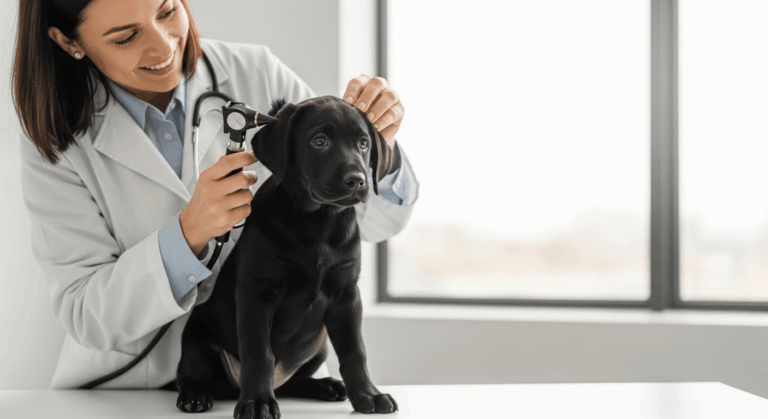
Treatment: A veterinary diagnosis distinguishes bacterial from yeast infections — they require different medications. Most uncomplicated outer ear infections resolve within 1–2 weeks of appropriate treatment. Recurring ear infections warrant investigation into underlying causes (food allergies are a frequent culprit in Labs with chronic ear problems).
Skin Problems and Allergies
Labradors are one of the most allergy-prone large breeds. Skin problems in Labs most often stem from environmental allergies (grass, pollen, dust mites), food sensitivities (typically chicken, beef, or dairy), or contact irritants. The skin symptoms — not respiratory symptoms — are usually the first sign, which surprises many owners who expect sneezing rather than scratching.
What it is: Atopic dermatitis (environmental allergy) and food-responsive dermatitis are the two most common forms. Both cause the immune system to overreact, triggering inflammation in the skin. Secondary bacterial or yeast infections frequently develop on top of the initial irritation.
Signs to watch for:
– Chronic scratching, especially at paws, belly, armpits, and ears
– Paw licking (often a sign of food sensitivity)
– Red, inflamed skin between the toes or in skin folds
– Hot spots — raw, weeping patches of irritated skin
– Recurring ear infections (allergies are a common underlying cause)
– Dandruff or a dull, dry coat
What you can do:
Identify the trigger. Environmental allergies tend to be seasonal; food sensitivities are year-round. If your Lab scratches more in spring and summer, environmental allergy is likely. Year-round scratching with heavy paw licking suggests food. A veterinary allergy assessment can confirm.
For food sensitivities, a strict elimination diet (typically 8–12 weeks of a novel protein your dog has never eaten) is the diagnostic standard. Do not attempt this without veterinary guidance — incomplete elimination diets produce unreliable results.
For environmental allergies, regular bathing (every 2–4 weeks during high-pollen seasons) washes allergens from the coat before they’re absorbed through the skin. Wiping paws after outdoor walks helps significantly.
Treatment: Ranges from antihistamines and medicated shampoos for mild cases to veterinary immunotherapy for severe chronic cases. Cytopoint injections and Apoquel are widely used for ongoing allergy management in Labs and are effective for most dogs.
Teething and Dental Health
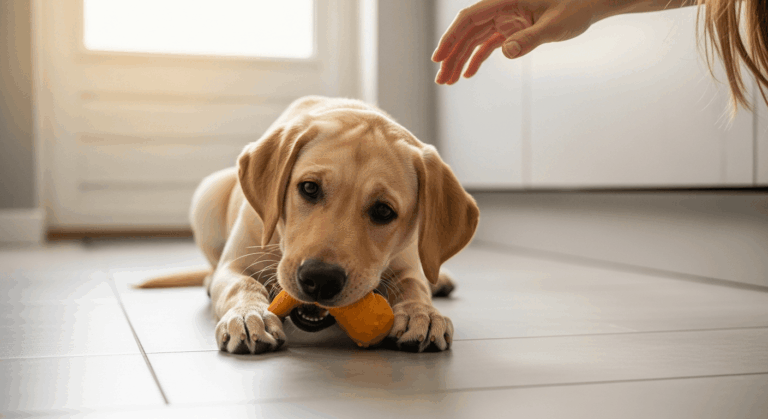
Labrador puppies start losing their baby teeth around 12 to 16 weeks old, with a full set of 42 adult teeth in place by about 6 months. This stretch brings sore gums, heavy chewing, and the occasional drop of blood on a favorite toy — all normal.
What to expect: More chewing on furniture, shoes, and hands; drooling; mild irritability; small spots of blood on chew toys as teeth loosen and fall out. Most puppies eat normally through this stage, though some go off hard kibble for a few days at a time.
What helps: Offer appropriately sized rubber chew toys, and try a clean washcloth soaked in water and frozen for 30 minutes — the cold numbs sore gums. Skip bones, antlers, and very hard nylon chews during this stage; a Lab’s still-forming teeth and jaw can fracture on them.
Once your Lab’s adult teeth are in, dental care becomes a lifelong habit, not a puppy-stage task. Periodontal disease is one of the most common health problems in adult dogs, and Labs — enthusiastic chewers and eaters — are no exception.
Building a dental routine: Brush your Lab’s teeth two to three times a week with a dog-specific toothpaste — never human toothpaste, which can contain xylitol, a substance that is toxic to dogs. Dental chews and water additives help between brushings, but they do not replace brushing. Plan on a professional veterinary cleaning roughly every 1 to 2 years, more often if your vet sees tartar buildup at checkups.
Watch for bad breath that does not improve with brushing, red or bleeding gums, or reluctance to chew on one side. These can signal a developing dental problem worth a vet visit.
Eye Conditions: Progressive Retinal Atrophy and Cataracts
Eye problems are less common in Labs than joint issues or allergies, but they deserve attention because two conditions — eye problems in Labradors — cataracts and PRA — are directly linked to Labrador genetics and are screenable in breeding stock.
Progressive Retinal Atrophy (PRA): A group of inherited diseases in which the retina degenerates progressively, eventually leading to blindness. Labs carry the prcd-PRA mutation at measurable rates. Both parents must be carriers for a puppy to be affected. DNA testing of breeding stock has reduced but not eliminated the condition.
Signs: Night blindness first (reluctance to go outside in the dark, bumping into things in low light), progressing to complete vision loss over months to years. There is no treatment — management focuses on quality of life.
Hereditary cataracts: A clouding of the lens caused by a genetic mutation separate from age-related cataracts. Can develop in Labs as young as 6 months. Surgical removal is effective when performed early.
What you can do: Ask breeders for eye certification from a board-certified veterinary ophthalmologist (CAER exam). Schedule annual eye exams with your vet from age 3 onward. If you notice any changes in how your Lab navigates in dim light, see a vet promptly — early diagnosis of PRA helps owners plan ahead even if treatment isn’t available.
A CAER eye exam typically costs $40 to $60 and takes about 15 minutes — most general practice vets can refer you to a board-certified ophthalmologist nearby. Many regional Labrador clubs sponsor low-cost screening clinics each year, which is worth asking your breeder or local club about.
If your Lab is diagnosed with PRA, the condition itself is not painful. Most dogs adapt well to vision loss as long as the home layout stays consistent — avoid rearranging furniture, and add textured mats near stairs or doorways as landmarks.
Cataract surgery for dogs typically runs $2,700 to $4,000 per eye, performed by a veterinary ophthalmologist. Pet insurance with hereditary-condition coverage purchased before a diagnosis can offset much of this cost — one more reason to enroll while your Lab is young and healthy.
Obesity: The Most Preventable Labrador Health Problem
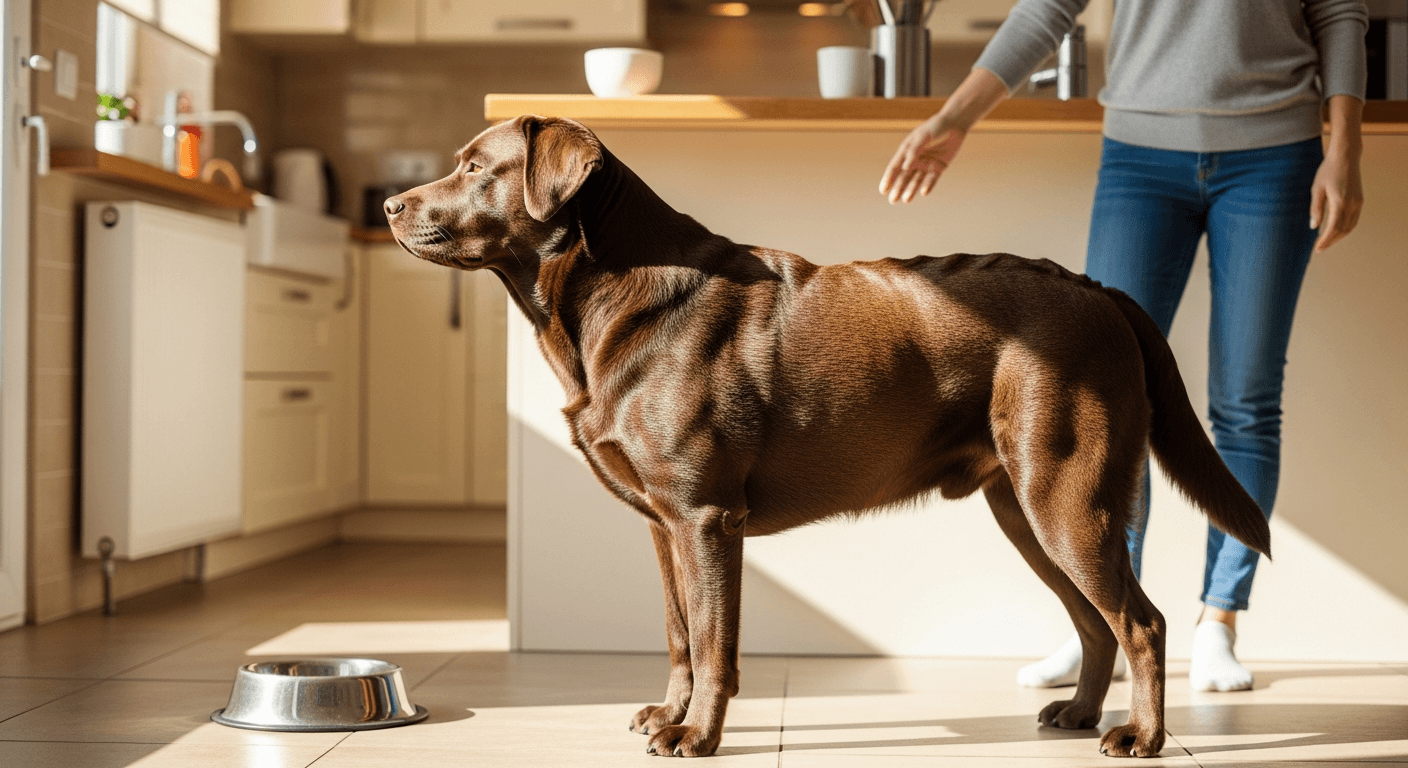
Obesity is not a cosmetic issue in Labradors. It is a direct driver of joint deterioration, heart disease, diabetes, and shortened lifespan — and it is entirely preventable. The problem is that Labs are extraordinarily motivated by food and have almost no natural appetite regulation. They will eat past fullness every time if given the opportunity.
According to veterinary guidelines, overweight dogs live on average 1.8 years less than dogs maintained at a healthy weight, with significantly more health complications in their senior years.
What a healthy weight looks like:
You should be able to feel your Lab’s ribs easily with light pressure, but not see them when looking from the side. When viewed from above, there should be a visible waist — a narrowing behind the ribcage. When viewed from the side, the abdomen should tuck up slightly behind the ribcage.
If you press gently on your Lab’s ribs and need moderate pressure before you feel them, your dog is overweight. If you can’t feel them at all, your dog is obese.
Common causes:
- Overfeeding — most feeding guides on dog food packaging are for unneutered adult dogs at high activity levels. Neutered Labs, indoor Labs, and less active Labs need 20–30% less than the label suggests.
- Table scraps and treats — calories add up fast. A single slice of cheese for a 30 kg Lab is roughly equivalent to a full hamburger for an average adult human.
- The prcd mutation — recent research suggests a specific mutation near the POMC gene in Labradors impairs the “I’m full” signal in the brain. Some Labs are genuinely hungrier than others by genetics, not habit. These dogs require stricter portion control.
What you can do:
Weigh food with a kitchen scale, not a cup. Cup measurements are notoriously inaccurate. Feed twice daily rather than once — it reduces begging, improves digestion, and keeps energy levels stable. Use part of the daily food allowance as training treats rather than feeding extra treats on top of meals. And if your Lab is still on puppy food, check our guide on when to switch your Lab to adult food — the timing matters for weight management.
For how much exercise a Lab mix needs by age and activity level, see our dedicated exercise guide — activity is the other half of the weight equation. For how daily life and routine affect a Lab’s wellbeing, see our complete guide to living with a Labrador.
Cancer: Understanding the Risk
Labradors have an elevated lifetime cancer risk compared to many other breeds. Mast cell tumors, lymphoma, osteosarcoma (bone cancer), and hemangiosarcoma appear at higher rates in Labs than in the general dog population. Cancer is the leading cause of death in Labradors over the age of 10.
This is not a reason for alarm — it is a reason for routine physical exams. Most cancers that are caught early are treatable. Most that are caught late are not.
Signs to watch for:
– Any lump or bump that wasn’t there before, or that’s growing
– Unexplained weight loss
– Decreased appetite lasting more than 2–3 days
– Lameness that doesn’t resolve with rest
– Swollen lymph nodes (felt as firm lumps under the jaw, in front of the shoulder, or behind the knee)
– Pale gums, rapid breathing, or sudden collapse (emergency — see a vet immediately)
What you can do:
Run your hands over your Lab’s entire body during every grooming session — roughly once a week. You are looking for any lump, mass, or skin change that wasn’t there before. Any new lump should be assessed by a vet, ideally by fine needle aspiration (a simple in-clinic procedure that identifies cell type). Don’t assume a lump is benign because it’s soft or small — mast cell tumors in particular can mimic harmless lipomas.
Annual wellness exams become more important after age 7. Ask your vet about adding a blood panel and chest X-ray to annual checkups from age 8 onward.
Caring for a Senior Labrador
Most Labs are considered seniors around age 7 to 8 — earlier than many smaller breeds, since larger dogs tend to age faster. The shift is usually gradual: a little more stiffness after naps, a little less enthusiasm for the second walk of the day.
What changes with age: Joint stiffness and reduced mobility (often tied to the hip and elbow issues covered above), a slower metabolism and weight gain, vision and hearing decline, more gray fur around the muzzle, and in some dogs, signs of cognitive decline such as confusion or disrupted sleep.
Vet visits: Move from annual to twice-yearly wellness exams once your Lab turns 7. Senior bloodwork panels can catch kidney, liver, and thyroid changes well before symptoms appear — early detection is what makes the extra visits worth it.
Diet adjustments: Senior Labs generally need fewer calories but more support for joints and digestion. Look for a senior-formula food with controlled fat content and added joint-support ingredients like glucosamine and chondroitin. Ask your vet whether a joint supplement is right for your dog, and revisit portion sizes — weight gain speeds up joint wear.
Comfort at home: An orthopedic dog bed with supportive foam takes pressure off aging joints overnight. Non-slip rugs on hard floors help a dog with weaker hips keep its footing, and a ramp or set of pet stairs makes furniture and car rides accessible without painful jumping.
Aging well is mostly about catching small changes early. Keep a loose mental note of your Lab’s normal routines — appetite, water intake, stairs, play — so you notice when something shifts.
Preventive Care: The Highest-Return Investment You Can Make
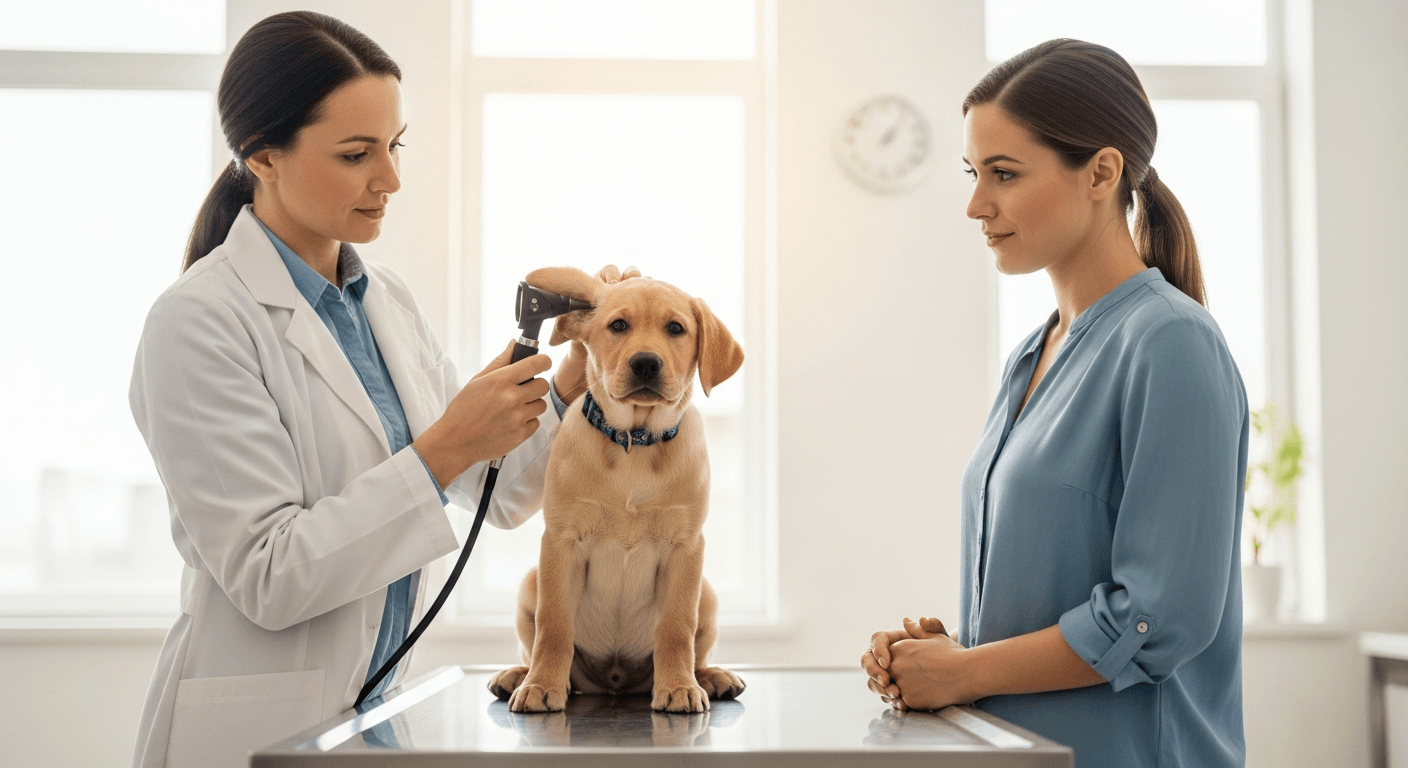
The Labs that live longest and remain healthiest into old age have one thing in common: consistent, proactive veterinary care throughout their lives — not just when something is wrong. The preventive schedule below is the baseline every Lab owner should follow.
Puppy (8 weeks to 12 months):
– Core vaccinations at 8, 12, and 16 weeks (DHPP series)
– Rabies vaccine at 12–16 weeks
– Flea, tick, and heartworm prevention — start the month you bring the puppy home
– First wellness exam within 48–72 hours of arriving home
– Spay/neuter discussion with your vet — timing affects joint development in large breeds; discuss at 6 months
Adult (1–7 years):
– Annual wellness exam with full physical
– Annual heartworm test + flea/tick/heartworm prevention year-round
– Dental cleaning as recommended (typically every 1–2 years)
– Hip and elbow OFA screening at 24 months if you plan to breed, or if your dog shows any early joint symptoms
– Eye exam by a veterinary ophthalmologist at 3–4 years for PRA screening
Senior (7+ years):
– Twice-yearly wellness exams (conditions progress faster at this age)
– Annual blood panel and urinalysis to catch organ changes early
– Blood pressure check
– Dental health becomes more critical — periodontal disease is linked to heart and kidney disease in older dogs
– Weight monitoring every 3 months
Dental care (all ages):
Dental disease is the most under-addressed health issue in domestic dogs. By age 3, 80% of dogs have some degree of periodontal disease, according to the American Veterinary Medical Association. Bacteria from infected gums enter the bloodstream and contribute to heart, liver, and kidney disease over time. Daily tooth brushing is ideal; a dental chew or dental rinse is a workable alternative if brushing isn’t practical.
When to See a Vet: Non-Negotiable Signs
Most minor issues in a healthy adult Lab settle down within a day or two of rest and monitoring. The signs below are different — they are red flags that call for a same-day or emergency vet visit, not a wait-and-see approach.
Save your regular vet’s after-hours number and the address of the nearest emergency animal hospital in your phone now, before you need them. In a true emergency, the minutes you would spend searching can matter.
The following require a veterinary visit — not a wait-and-see approach:
- Any lump that’s new, growing, or changing — fine needle aspiration rules out the worst-case possibilities quickly
- Lameness lasting more than 48 hours — don’t assume it’s a sprain
- Ear discharge, head shaking, or odor — ear infections don’t resolve on their own and worsen quickly
- Vomiting or diarrhea lasting more than 24 hours in an adult dog, or more than 12 hours in a puppy
- Bloated, hard abdomen with restlessness and unproductive retching — this is bloat (GDV), a life-threatening emergency; go to an emergency vet immediately
- Pale or white gums — indicates severe anemia or shock; emergency
- Seizure — any first seizure warrants same-day veterinary assessment
- Significant, unexplained weight loss over 2–4 weeks
- Eye cloudiness, sudden vision changes, or squinting
When in doubt, call your vet. A 5-minute phone triage call is almost always worth making.
Trust your instincts here. You know your Lab’s normal energy, appetite, and habits better than anyone — if something feels off and does not pass quickly, that is reason enough to get it checked.
FAQ
How long do Labradors live?
The average Labrador lifespan is 10–14 years. Chocolate Labs have a shorter average lifespan (10.7 years) than black and yellow Labs (12.1 years), according to a 2018 study in Canine Genetics and Epidemiology. Healthy weight, regular vet care, and genetic screening of parents are the three biggest factors within an owner’s control.
Are Labradors a healthy breed overall?
By large-breed standards, yes. Labs are generally hardy, recover well from illness, and are not prone to the extreme conformation issues that plague some breeds. Their main vulnerabilities — joints, obesity, ears, allergies — are all manageable with appropriate care.
At what age do Labs start having health problems?
Joint symptoms often appear between 2–5 years. Allergies and ear infections can begin at any age but typically establish patterns by 2–3 years. Cancer risk increases significantly after age 8. The preventive care schedule above addresses each risk at the appropriate life stage.
Can you prevent hip dysplasia in Labradors?
You can significantly reduce the risk by buying from health-screened parents, limiting high-impact exercise during the growth phase, maintaining a healthy weight throughout life, and feeding a diet appropriate for large breeds during puppyhood (not a high-calorie puppy formula). You cannot eliminate the risk entirely — genetics plays the largest role.
What is the most common cause of death in Labradors?
Cancer in dogs over 10, and trauma or parvovirus in puppies that are not fully vaccinated. Among natural causes in adult Labs, musculoskeletal disease (often leading to euthanasia decisions) and organ failure are most common.
Conclusion
Labrador Retrievers are not fragile dogs, but they are not invincible either. The conditions in this guide — joint dysplasia, ear infections, skin allergies, eye disease, obesity, and cancer — are all manageable when caught early and addressed proactively. The Labs that live well into their teens, active and comfortable, nearly always have owners who stayed ahead of problems rather than reacting to them.
The best single investment you can make in your Lab’s health is a consistent relationship with a veterinarian you trust, annual (and later semi-annual) wellness exams, and the discipline to keep your dog at a healthy weight throughout their life.
For specific conditions, use the supporting guides linked throughout this article as each cluster post goes live.