Labrador pros and cons start with the AKC’s own scores: 5 of 5 for trainability and 5 of 5 for being good with young children. The cons are 5 of 5 energy, heavy shedding, a long adolescence, and a big appetite linked to the POMC gene. Labs suit active, hands-on homes that can live with dog hair.
We wrote this for first-time owners who want the honest version before they commit. Below you’ll find the full set of Labrador pros and cons and a care table with real numbers. We also cover a normal day and the mistakes that make Labs harder than they need to be.
What Labs Get Right
The best case for a Lab is measurable, not sentimental. The AKC breed profile gives Labs a 5 of 5 on most of the traits families care about. Here is how those strengths play out at home.
They learn fast because they love food
Labs score 5 of 5 for trainability. The main reason is appetite: most Labs will work hard for a small treat, and many will work for plain kibble. A dog that cares about the reward lets you pay for every right choice, so new cues stick quickly.
That same food drive shows up again on the con side below. In training, though, it makes a first-time owner look skilled within a few weeks.
They are gentle with family and kids
The AKC rates Labs 5 of 5 for affection with family and 5 of 5 with young children. They have a soft mouth, a forgiving temper, and a strong pull toward people.
We still treat supervision as non-negotiable around toddlers. Our guide to how Labs do with children of different ages explains why school-age kids are the easiest match.
They like nearly everyone
Labs score 5 of 5 for openness to strangers and 5 of 5 with other dogs. Most greet the mail carrier like an old friend and the neighbor’s dog like a cousin. That makes walks, vet visits, and dog parks far easier than with a wary or reactive breed.
They fit into your routine
Adaptability is another 5 of 5. A well-exercised Lab settles into a house, a townhouse, or a city home, and most ride in the car without much fuss. The key word is well-exercised, and the care table below spells out what that takes.
They were built for water and play
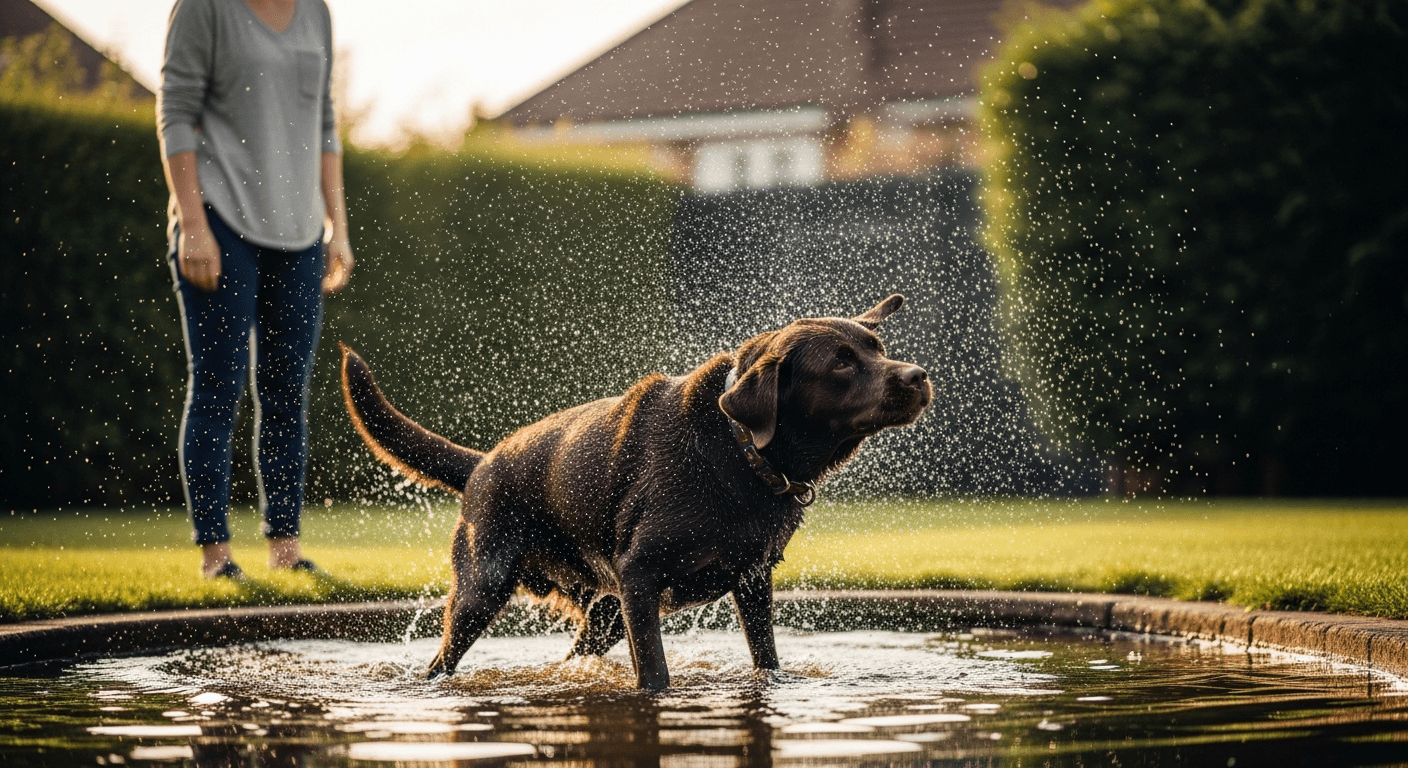
Retrieving and swimming are the breed’s favorite activities, according to the AKC. Labs were developed as water dogs, with a dense, water-resistant double coat and a thick, otter-like tail that works as a rudder. For an active family, a dog that will fetch until your arm gives out and then jump in the lake is a real plus.
The coat is low-fuss, and health is screenable
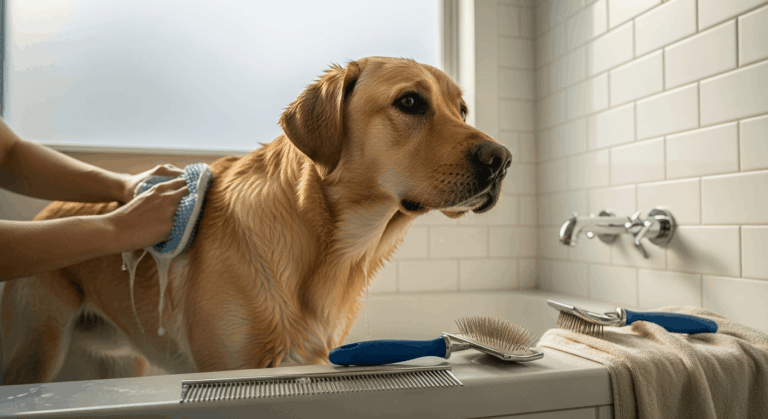
Coat grooming frequency scores just 2 of 5. Labs need brushing, nail trims, and the odd bath, but never a haircut or a professional groomer.
Health is also more predictable than with many breeds. A good breeder can show hip and elbow clearances for both parents, plus DNA results for exercise-induced collapse (EIC) and progressive retinal atrophy (PRA). Ask to see the paperwork before you put down a deposit, and walk away from any breeder who can’t produce it.
The Downsides Owners Mention Most
Owner forums ask one question over and over: what is the downside of a Lab? These are the cons that matter most in any honest look at Labrador pros and cons, ranked roughly by how often they surprise new owners.
Shedding all year, then twice as much
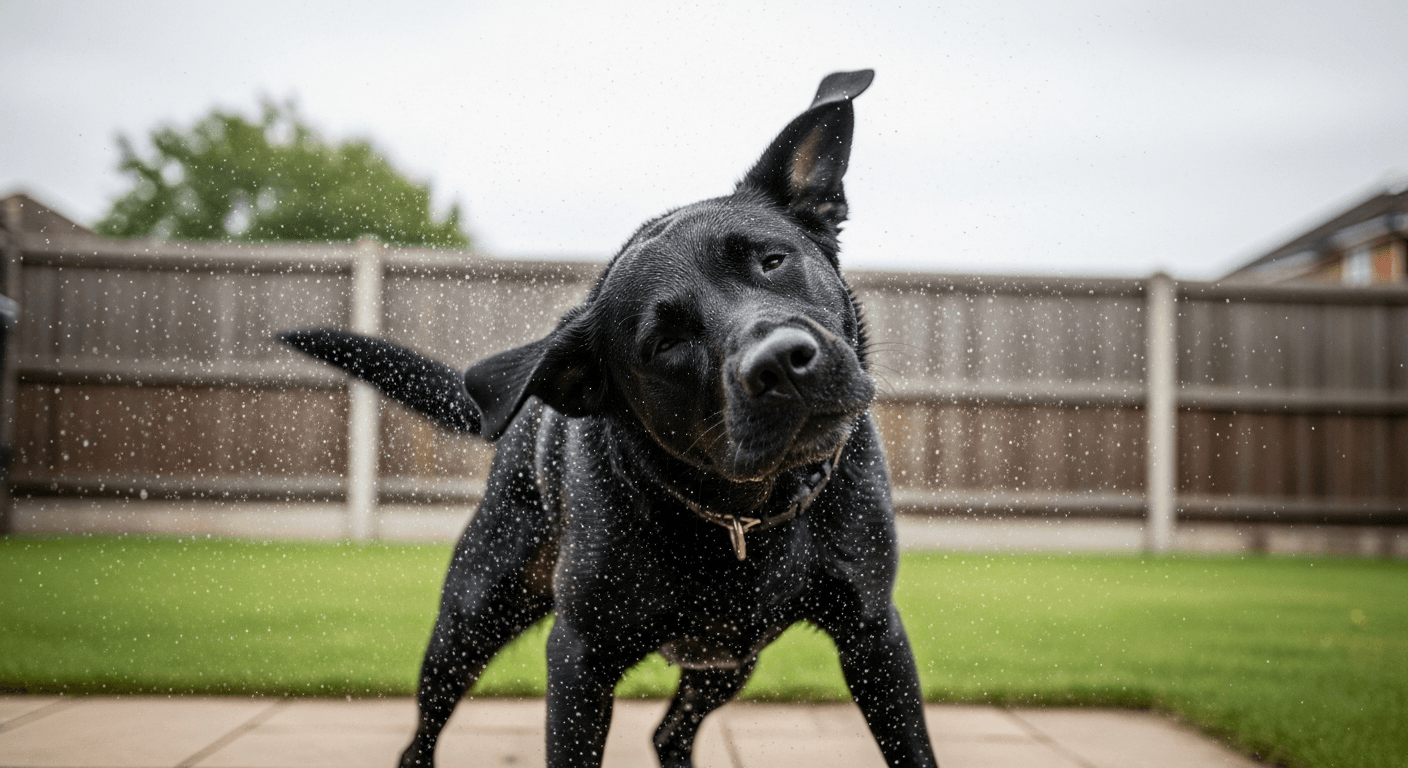
The AKC scores Labrador shedding 4 of 5. The double coat drops hair every day, then “blows” twice a year, in spring and fall. Each blow lasts about 2 to 4 weeks, and one brushing session can fill a grocery bag with undercoat.
Hair ends up on clothes, sofas, car seats, and now and then in your food. Labs are not hypoallergenic, so an allergy household should spend real time around adult Labs before committing.
A food drive that never switches off
Many Labs act hungry all the time, and some are truly wired that way. A 2016 University of Cambridge study found that about 1 in 4 Labs carry a change in the POMC gene. It weakens the signal that says “full,” so these dogs beg, scavenge, and counter-surf more than others.
The result is easy weight gain. VCA Animal Hospitals ties extra weight to joint disease, diabetes, and a shorter life, so portion control becomes a daily job. Trash cans need lids, and kitchen counters need to stay clear.
A long, bouncy adolescence
This is the con most first-time owners never see coming. In the teenage months, a puppy that knew “sit” can act as if it never heard the word. It pulls on the leash and jumps on guests.
Most Labs settle between 2 and 3 years; some take until 3 or 4.
Until then you live with an adult-sized dog that has a puppy’s impulse control. The habits you build early decide how rough that stretch feels. We map them month by month in the first year of raising a Lab puppy.
Mouthiness and chewing
Labs were developed in Newfoundland and refined in 19th-century England to carry shot waterfowl back to hunters. That job selected for a dog that loves to hold things in its mouth.
At home, the instinct shows up as stolen socks, chewed shoes, and a dog that greets you with a toy in its jaws. A bored or lonely Lab turns the same drive on table legs and baseboards.
Size and strength
An adult Lab weighs 55 to 80 pounds and stands 21.5 to 24.5 inches tall, per the AKC. A happy jump can knock over a small child or an older adult. A wagging tail at coffee-table height clears drinks in one sweep, and an untrained Lab on a leash will pull you across the street.
Not a guard dog
Labs score just 3 of 5 as watchdogs. Most will bark at the door and then greet the stranger with a full-body wiggle. If protection is on your list, read our honest take on whether Labs are protective of their owners first.
Barking itself is moderate, also 3 of 5, so it rarely tops the complaint list. When it does, our guide to how much Labs bark covers the usual triggers.
Health risks to plan for
Labs are prone to hip and elbow dysplasia, ear infections, inherited eye disease, EIC, and obesity. Screening lowers the odds but doesn’t remove them, and a joint or ear problem can mean years of follow-up visits. Our overview of the main health problems in Labradors covers early signs and prevention.
Lifespan is the last honest con. The AKC gives 11 to 13 years, typical for a large breed but short next to many smaller dogs. Our guide to how long Labradors live covers what helps a Lab reach the top of that range.
Is a Labrador a Good First Dog?
Yes, for most prepared first-time owners. The forgiving temperament and food-driven trainability cover a lot of beginner mistakes. What trips first-timers up is the combined daily load: hair, exercise, and a teenager who tests every rule.
We think the clearest way to weigh the Labrador pros and cons for your own home is to see who tends to thrive with one, and who struggles.
| A Lab suits you if… | Think twice if… |
|---|---|
| Your household is active and outdoors most days | You work long days alone with no midday help |
| Your kids are school age, roughly 8 to 12 | You have a toddler and want a new puppy at the same time |
| Dog hair on your clothes doesn’t bother you | Someone in the home has dog allergies |
| You enjoy daily training and games | You want a calm dog from day one |
| You can plan for vet care and insurance | A surprise vet bill would be a crisis |
Square footage matters less than people think. Labs can live in apartments when daily exercise is a fixed habit rather than a hope.
If you’re torn between two retrievers, our breakdown of how a Lab compares with a Golden Retriever covers the small differences in energy, coat, and temperament.

A five-question self-check
Answer these honestly before you commit:
- Can you give a Lab real exercise every day, rain or shine, beyond time in the yard?
- Can you live with dog hair on clothes, furniture, and floors all year?
- On full workdays, will someone be home, or can you arrange a midday visit?
- Can you keep up short training sessions for life, not just the first year?
- Could you cover an unexpected vet bill, or a monthly insurance premium?
If you answered no to more than one, wait, or look at a calm adult Lab from a rescue instead of a puppy. That isn’t failure. It’s the honest call that keeps Labs out of shelters.
Labrador Care at a Glance
Most Labrador pros and cons pages skip the care math. Here is every routine in one place, with each number taken from the guide that covers it in depth.
| Care area | What it takes | Full guide |
|---|---|---|
| Exercise | At least an hour of real activity a day, closer to two for a young Lab | Daily exercise needs |
| Brushing | 2–3 times a week; daily during the two blow coats (2–4 weeks each) | Shedding seasons and tools |
| Nails, ears, teeth | Nails every 4–6 weeks; ears monthly and after every swim; teeth daily | Full grooming routine |
| Bathing | Every 6–8 weeks; every 3–4 weeks for swimmers and mud-rollers | Bathing schedule |
| Feeding | Adults: 2–3 cups of dry food a day in two meals; adjust to body condition | Check the calories on your bag |
| Alone time | A midday visit on full workdays; build alone time gradually | Alone-time training |
| Vet care | Yearly exam, vaccines, and weight checks; watch joints, eyes, and ears | Ask your vet about screening |
| Training | Short daily sessions for life | Practice beats long sessions |
The exercise floor comes from PetMD’s vet-reviewed breed page, which says Labs need at least an hour a day. The largest owner study of Labs, Dogslife, tracked 4,307 dogs. The typical dog got about 2 hours a day, mostly off-leash play and retrieving rather than leash walks.
Puppies follow different rules. Their structured exercise is capped by age, which the FAQ below explains.
Add the rows up and a normal weekday takes roughly 1.5 to 2.5 hours of hands-on time. That is our estimate from the table, not a study figure, and blow coat weeks push it higher.
What a Day With a Lab Looks Like
Owning a Labrador shapes your day more than most breeds do. Here is a typical weekday, built from the care table above.
Morning. Most Labs are awake and ready by 6 or 7 a.m., whatever time you went to bed. Plan on a walk or a fetch session before breakfast, then a meal and a potty break. A Lab that skips its morning outlet tends to invent one indoors.
Midday. This part depends on your job. On a full workday, a Lab needs a dog walker, a neighbor, or daycare to break up the hours. Without that, expect more chewing, barking, and pacing by the time you get home.
Evening. This is when most owners get their best time with the dog. A longer outing, a short training session, dinner, and a quick brush fill the slot. Afterward, most Labs follow you from room to room and settle at your feet.
Weekends usually run longer, with a hike, a swim, or a training class. The seasons shift the load too. Blow coat weeks in spring and fall mean daily brushing, and summer heat pushes outings to early morning and evening.
Winter’s short days mean many walks happen in the dark, so a reflective collar earns its place.
This is where the list becomes a routine. Labs are shadow dogs by nature. They want to be in the same room as you, which is half the charm and half the adjustment for owners used to independent pets.
Money is the other daily reality. Food, routine vet care, and pet insurance are the big recurring lines. One emergency, like a swallowed sock, can cost more than a year of food.
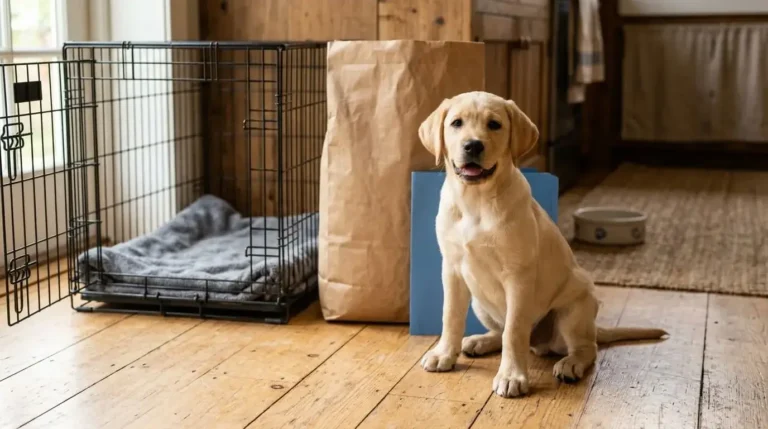
A large dog also means larger crates, larger doses, and larger bags of kibble, so set the budget before the puppy comes home. Our Labrador cost breakdown puts real numbers on each line.
When you travel, book a trusted sitter or a boarding kennel early, because good ones fill up fast around the holidays.
Labs in a Home With Other Pets
Other pets usually land on the plus side of the ledger. Labs score 5 of 5 with other dogs, which puts them among the easier breeds for a multi-pet home. Easier still isn’t automatic, and a few weeks of planning prevents most friction.
Other dogs. Make the first meeting on neutral ground, such as a quiet street, not in either dog’s yard. Keep early meetings short, and feed the dogs apart until the routine settles.
Cats. Many Labs live peacefully with cats, especially when raised alongside them. Start with a baby gate or a leash, and give the cat an escape route the dog can’t reach. Reward calm behavior from both animals.
Small pets. Be stricter with rabbits, guinea pigs, and birds. The retrieving instinct can override training around a small animal that bolts, so never leave them together unsupervised, no matter how relaxed your Lab seems.
In any shared home, give each animal its own bowl, its own bed, and its own one-on-one time with you. Most squabbles start over resources, not over the other animal.
First-Owner Mistakes That Make Labs Harder
Most hard-luck Lab stories trace back to a handful of avoidable mistakes. These six come up again and again with first-time owners.
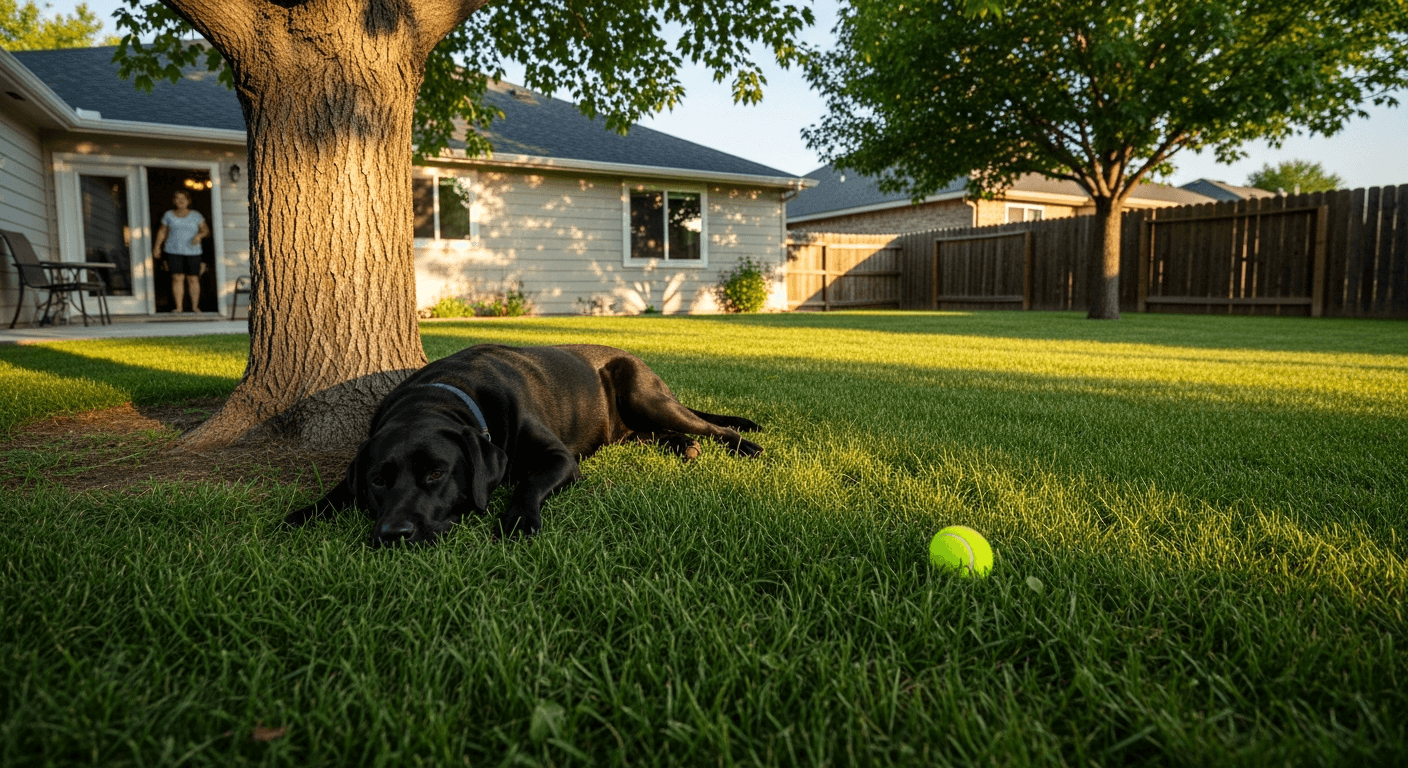
1. Counting the yard as exercise
A Lab with a big yard often spends the day lying in the shade. Space is not activity. Schedule real outings, and treat the yard as a bathroom, not a workout.
2. Cutting exercise when the teenager acts up
When an adolescent Lab starts chewing and ignoring cues, many owners restrict it as punishment. The fix is usually the opposite: more structured exercise and more brain work. Scent games, food puzzles, and short training drills tire a teenage Lab faster than another lap of the block.
3. Brushing with the wrong tool
A slicker brush grooms the top coat but barely reaches the undercoat, where most shed hair comes from. An undercoat rake or a deshedding tool such as a FURminator pulls that loose hair out before it hits the floor. Owners who switch tools usually notice the difference within a week.
4. Feeding by the bag, not the dog
Bag charts assume average activity. A field-active Lab may need more, and a couch Lab needs less.
Use a body condition check instead. You should feel the ribs under a thin layer of fat without seeing them, and the waist should tuck in behind them.
5. Skipping ear care
Floppy ears trap moisture, and moisture drives most Lab ear infections. Clean the ears monthly and after every swim. Redness, a sour smell, or constant head shaking means a vet visit, not more cleaning at home.
6. Letting obedience slide
A Lab that knew every cue at 8 months and ignores you at 2 years hasn’t forgotten anything. The cues simply stopped being practiced. Obedience is a perishable skill, and a few minutes of daily practice keeps it sharp for life.
Frequently Asked Questions
What are the pros and cons of owning a Labrador Retriever?
The pros are a trainable, gentle, sociable dog that scores 5 of 5 with kids and other dogs and never needs a professional groomer. The cons are heavy shedding, high energy, a strong food drive, a long adolescence, and joint and ear risks. Those are the core Labrador pros and cons in two sentences.
What is the 5-minute rule for Labradors?
It’s a breeder guideline for puppies: about 5 minutes of structured exercise per month of age, per session. A 4-month-old Lab gets around 20 minutes of walking at a time. Free play doesn’t count toward it, and it is a rule of thumb, not the result of a study.
Are boy or girl Labs better?
Neither, as a rule. Per the AKC, males stand 22.5 to 24.5 inches and weigh 65 to 80 pounds. Females stand 21.5 to 23.5 inches and weigh 55 to 70 pounds.
Temperament varies dog by dog, and no formal data shows that one sex is easier to live with.
Is a Labrador a good house dog?
Yes, once its exercise needs are met. The AKC rates Labs 5 of 5 for adaptability, 2 of 5 for drooling, and 3 of 5 for barking. Shedding is the trade-off for an otherwise easy indoor companion.
Do Labs calm down with age?
Yes, but later than most owners expect. Most Labs settle somewhere between 2 and 3 years old, and a few stay bouncy until 3 or 4. The teenage months are the hardest stretch, and steady training through them pays off for the rest of the dog’s life.
Can a Labrador be left alone during a workday?
A healthy adult Lab can, with the right setup. Break up long days with a midday walk from a sitter, neighbor, or daycare, and build alone time gradually, starting with short departures. If your Lab panics within minutes of you leaving, treat it as separation anxiety and follow a graduated departure plan.
The Bottom Line
Get a Lab if you want a trainable, people-loving dog and can offer daily exercise, steady training, and a lint roller. Wait if long solo workdays, allergies, or a toddler-plus-puppy stretch are in your near future. Weighing the Labrador pros and cons honestly now is kinder than rehoming later, and our Labrador Retriever breed guide covers temperament, colors, and history next.