Living with a Labrador is rewarding, but it’s also demanding. If you’re considering one or adjusting to life with one, you need the unvarnished truth: daily life revolves around shedding, exercise, grooming, and time management.
Labs are wonderful family dogs, but they’re substantial, active, and require more daily management than many first-time owners anticipate. This guide covers what to actually expect in daily life with a Lab—the real time commitment in hours, the financial investment, and whether your lifestyle aligns with Labrador ownership.
Living with a Labrador: The Daily Reality
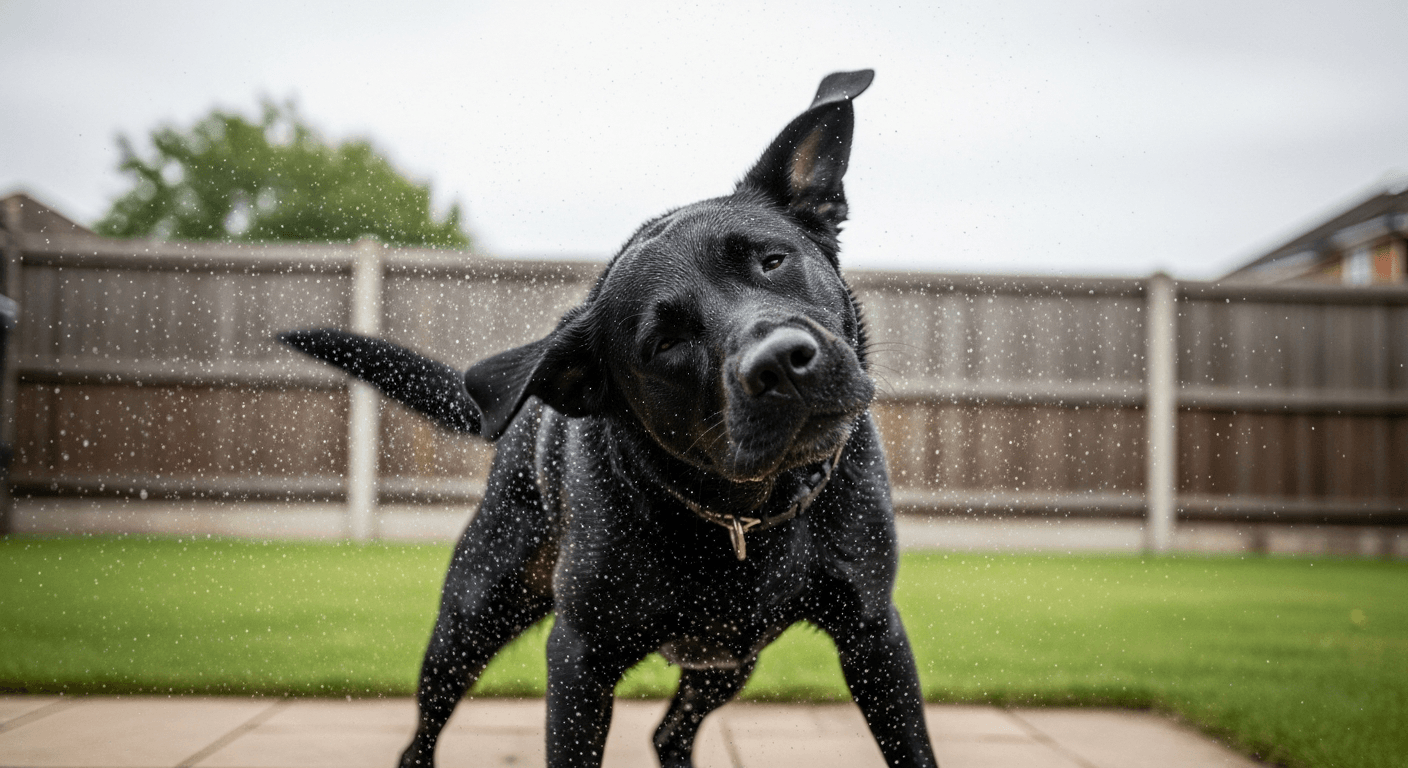
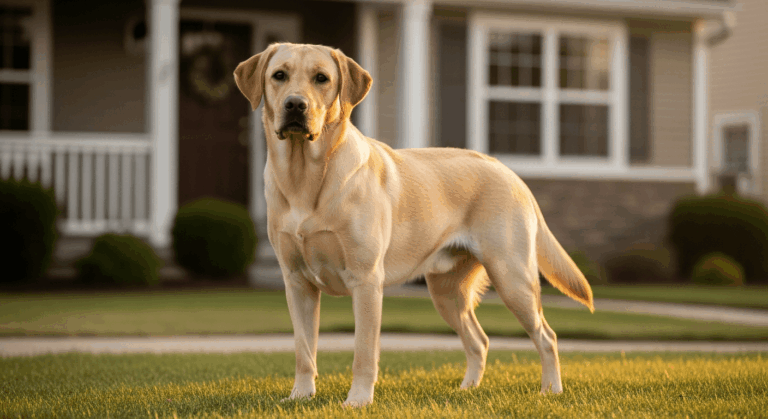
Living with a Labrador means managing year-round shedding, providing 1.5–2 hours of daily exercise, grooming 2–3 times weekly, and accommodating a 55–80 lb dog with significant food and medical costs.
Labs excel with families but demand time, patience, and consistent training. Before committing, assess shedding tolerance, exercise capacity, financial ability, and living space compatibility.
A typical weekday with a Lab starts before you do — most are up and ready to go between 6 and 7 a.m., regardless of how late you stayed up. Mornings usually mean a walk or a quick game of fetch before breakfast, since a Lab that has not burned off some energy is a Lab that finds its own entertainment indoors.
Daytime hours depend heavily on your schedule. A Lab left alone for a full workday needs either a midday walk from a sitter or dog walker, a safe and enriching space to settle into, or a dog-friendly workplace. Without that, expect more barking, chewing, and restlessness by the time you get home.
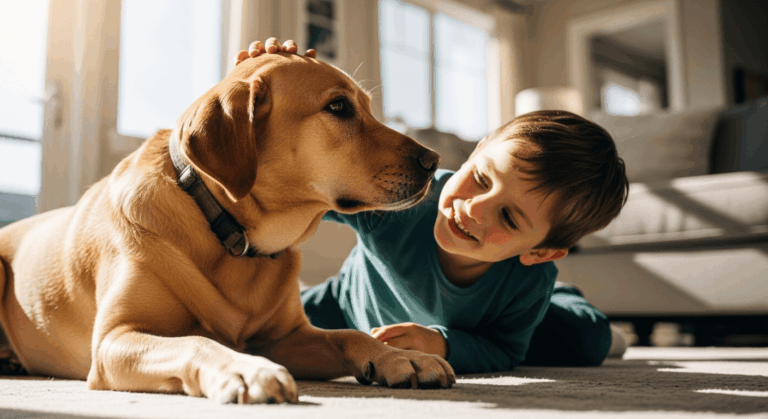
Evenings are where Labs shine — this is when most owners get their best one-on-one time in: a longer walk, a training session, or simply downtime on the couch. Labs are velcro dogs by nature; they want to be wherever you are, which is part of the charm and part of the adjustment for first-time owners used to more independent pets.
Is a Labrador Right for Your Lifestyle?
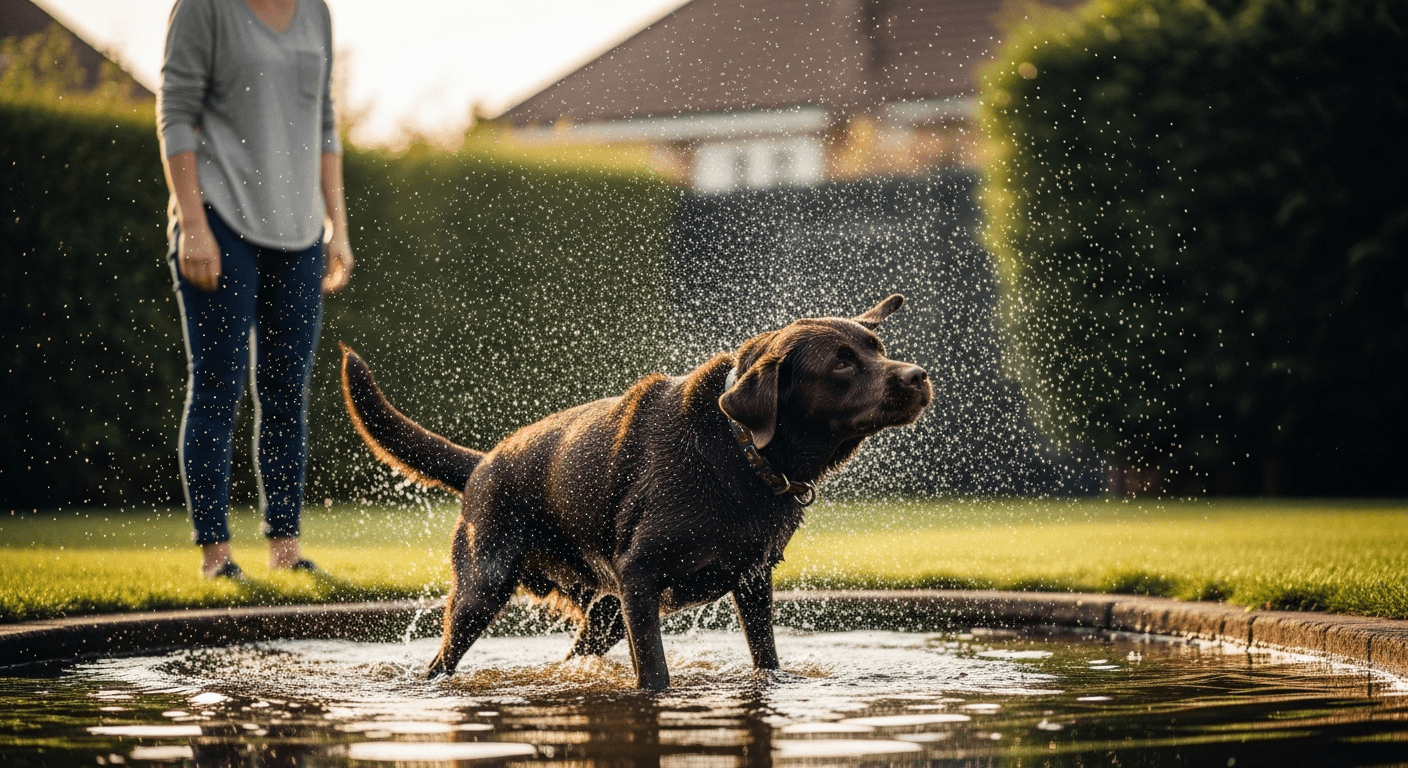
Before committing to a Lab, assess whether you’re honest about your capacity. Labs are high-energy, high-shedding, high-need dogs—1.5–2 hours of daily exercise, grooming 2–3 times weekly, and a budget of $2,000–$2,500 annually. They’re not low-maintenance companions.
Developed in Newfoundland and refined in 19th-century England as waterfowl retrievers, Labs were bred to work full days alongside hunters in cold-water environments. That working history runs deep: their retrieval drive includes a strong oral component—when isolated, that drive expresses itself as destructive chewing, and their attachment to handlers makes them prone to separation anxiety.
These aren’t training failures; they’re breed-hardwired behaviors. The AKC describes the Labrador as an active, friendly breed that needs plenty of exercise and companionship. They need structured engagement and consistent daily interaction, not just housing and food.
The core lifestyle factors to evaluate:
- Time: Labs’ working-dog energy requires a genuine 1.5–2 hours of daily exercise—not a backyard break, but vigorous structured activity. Can you commit to that every single day?
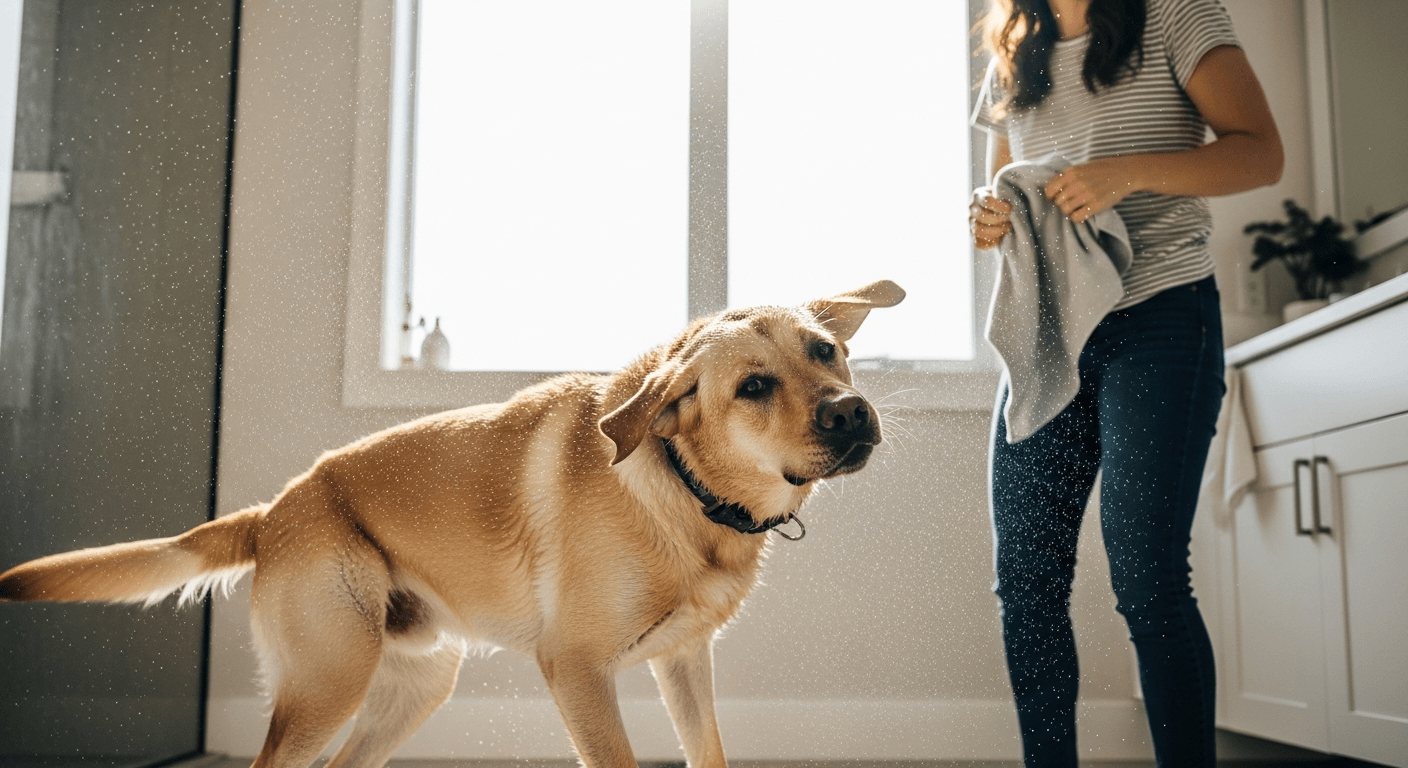
- Shedding tolerance: Labs have a double coat that blows twice yearly for 4–6 weeks, during which shedding multiplies and daily vacuuming becomes normal. Are you prepared for year-round hair management?
- Exercise access: Do you have outdoor space and time for a 55–80 lb retriever requiring 1.5–2 hours of vigorous daily activity?
- Financial stability: OFA data shows roughly 12% of Labs are affected by hip dysplasia — one of the higher rates among large breeds, and a condition where surgery averages $3,500–$7,000 per hip. Can you absorb unexpected $2,000+ vet bills, or is pet insurance in your budget?
- Family situation: Are your kids at least 5 years old? Labs reach 55–80 lbs and are known for exuberant jumping and wide tail-sweeping that regularly knocks over toddlers.
Here’s the honest reality: The biggest surprises for new Lab owners are shedding severity, exercise demands, and grooming frequency—not as separate issues, but as a combined daily load that feels heavier than expected. If you cannot reliably commit to 1.5 hours of daily exercise, live in a no-pets apartment, or have very young children without additional support, reconsider.
Quick Self-Assessment:
– Do you have 1.5–2 hours daily for structured exercise? (Yes / No)
– Can you tolerate dog hair on clothes, furniture, and (occasionally) food? (Yes / No / Maybe)
– Do you have the budget for $2,000–$2,500 annually, plus emergency vet costs? (Yes / No)
– Are your kids at least 5 years old, or do you have no young children? (Yes / No / N/A)
– Can you commit to grooming 2–3 times per week, year-round? (Yes / No)
If you answered “No” to more than one question, a Labrador may not be your right fit. That’s not a failure—it’s honesty, and it saves heartbreak later.
Labrador Shedding: The Year-Round Reality
Labradors shed heavily year-round, which is exactly why people ask whether Labradors are hypoallergenic — the short answer is no. The double coat — a dense waterproof undercoat and a short outer coat — releases hair continuously, with two major blow coats each spring and autumn. Expect fur on furniture, floors, and clothing as a permanent feature of Lab ownership.
For the complete shedding guide including tools and techniques, see Do Labradors Shed?
Grooming Requirements & Care Beyond Shedding
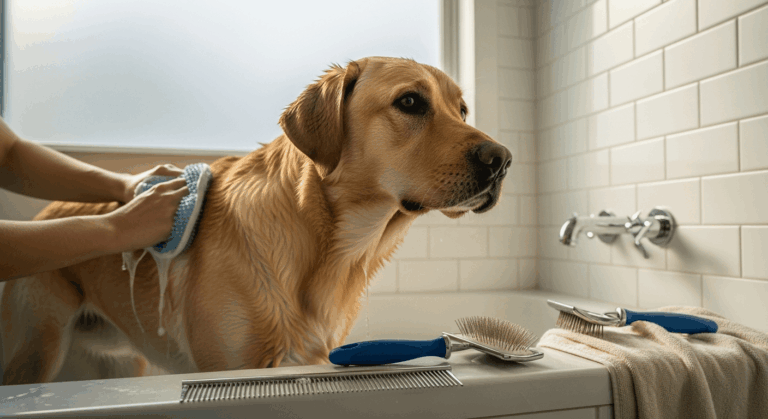
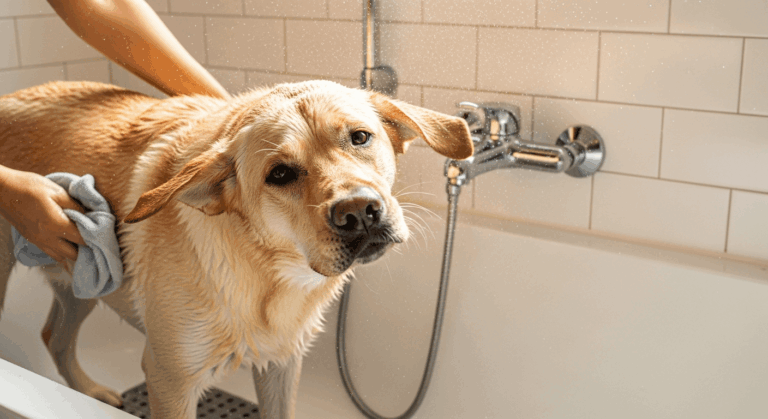
The Labrador’s double coat needs brushing two to three times a week outside of shedding season, and daily during blow coat periods. Monthly baths, nail trims every four to six weeks, and regular ear cleaning complete the routine. No professional grooming is required — Labs are low-maintenance compared to most breeds.
For a full grooming routine and tool guide, see How to Groom a Labrador.
Exercise Needs: How Much Daily Activity Does a Lab Actually Need?
Adult Labradors need 1.5 to 2 hours of exercise per day. Two substantial walks plus off-leash running or fetch sessions covers most of this. Puppies and seniors need less — over-exercising a puppy before 12 months causes joint damage.
For a full breakdown by age and fitness level, see How Much Exercise Does a Labrador Need?
Family Compatibility: Are Labradors Good with Kids?
Labradors are one of the most family-compatible breeds. They have a high bite threshold, a tolerant temperament, and genuine affection for children of all ages. Supervision around toddlers remains necessary — a 30kg dog can knock a small child over without intent.
For detailed guidance on Labs with children, see Are Labradors Good with Kids?
Living Situations: Can a Labrador Fit in Your Space?
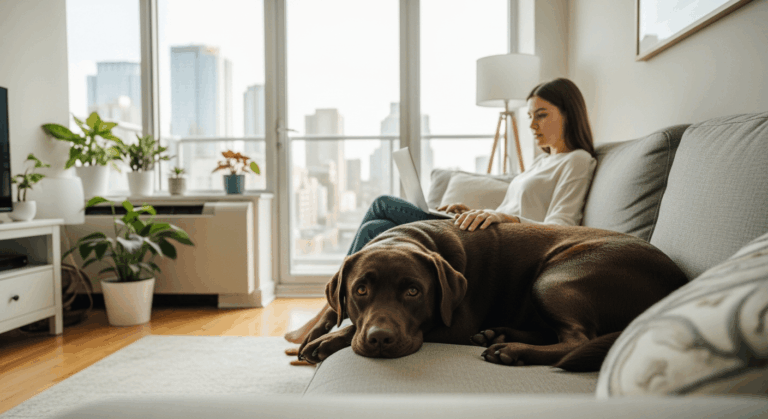
Labradors adapt to apartment living when their exercise needs are consistently met. A well-exercised Lab sleeps 12 to 14 hours a day and causes no disruption indoors. The critical variable is commitment to daily outdoor time — not the size of your home.
For the full guide on apartment living with a Lab, see Can Labradors Live in Apartments?
Time & Financial Commitment: What Does Lab Ownership Actually Cost?
Before you commit, understand the concrete numbers. This isn’t sugarcoated or estimated—these are real costs from real ownership.
Year One:
– Puppy: $800–$2,500 (varies by breeder and pedigree). Adoption is $300–$800.
– Initial vet care (vaccines, microchip, spay/neuter, first exam): $400–$800
– Setup (crate, bed, collar, leash, toys, dishes): $300–$600
– Food: $600–$1,200 (depends on quality and brand)
– Training classes (puppy kindergarten, basic obedience): $200–$400
– Grooming supplies (brush, shampoo, nail clippers): $150–$300
– Pet insurance (optional but worth it): $400–$800
Year One Total: $3,000–$6,000 (typical: $4,500–$5,500)
Annual Ongoing (Years 2+):
– Food: $600–$1,500 (quality-dependent; premium brands cost more)
– Routine vet (annual exam, vaccines, dental): $300–$700
– Pet insurance: $400–$800/year
– Grooming supplies and maintenance: $100–$300
– Toys, treats, enrichment: $100–$200
– Unexpected vet (ear infection, skin issue, injury): $0–$3,000 (varies wildly; emergency costs spike)
Annual Ongoing Total: $1,500–$3,500/year (typical: $2,000–$2,500)
Senior years (7+): Medical costs rise. Arthritis screenings, preventive health visits, and chronic condition management become more common.
Budget reality: If a surprise $2,000 vet bill would cause financial stress, pet insurance is an investment in peace of mind, not luxury. Many owners regret skipping it when a routine ear infection or injury triggers a large bill.
The Real Time Commitment: What Hours of Your Day Go to Your Lab?
Beyond money, understand the time investment.
Daily routine:
– Morning: 30–45 minutes (exercise, feed, outdoor bathroom)
– Midday: 30 minutes (lunchtime walk or bathroom break; dog walker coordination if you work)
– Evening: 45–60 minutes (exercise, feed, training or play, grooming during shedding)
– Weekend: 2–4 hours (longer activities, grooming, training, play)
Daily total: 2–2.5 hours minimum (not counting unexpected vet visits, training sessions, or behavioral problem-solving).
This is not “set and forget.” Dogs are dependents. They require consistent presence and planning.
Mental/planning time: Researching nutrition, scheduling vet appointments, problem-solving behavior issues, coordinating pet care when you travel. These aren’t captured in the hours above, but they’re real.
Seasonal variation: Coat blow (March–April, October–November) doubles or triples grooming time. Winter changes exercise timing (shorter daylight). Summer requires heat-protective measures (exercise timing, water access).
Labrador vs Other Breeds: Is a Lab the Right Fit?
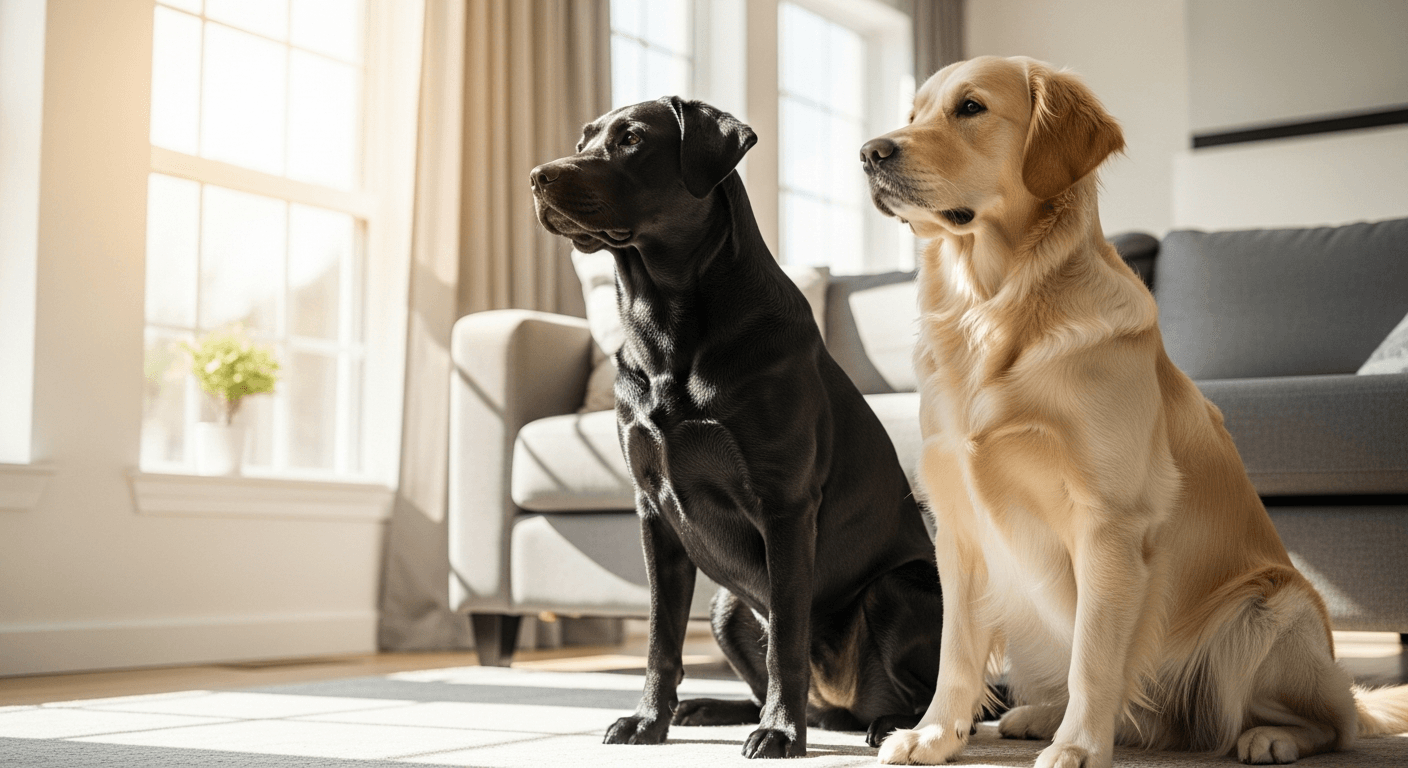
Most first-time owners narrow their search to 3–4 family-friendly breeds before deciding. If you’re comparing Labs to the most common alternatives, here’s how the lifestyle realities stack up side by side.
| Factor | Labrador | Golden Retriever | German Shepherd | Beagle |
|---|---|---|---|---|
| Shedding | Heavy — year-round + coat blow twice yearly | Heavy — year-round + coat blow | Heavy — year-round | Moderate |
| Daily exercise | 1.5–2 hours | 1–2 hours | 1.5–2 hours | 1 hour |
| Adult weight | 55–80 lbs | 55–75 lbs | 50–90 lbs | 20–30 lbs |
| Trainability | Very high | Very high | Very high | Moderate (scent-driven, stubborn) |
| Separation anxiety risk | High | Moderate–high | High | Low–moderate |
| Good with kids | Excellent | Excellent | Good (needs socialization) | Good |
| Barking | Moderate | Low–moderate | High | High |
| Drooling | Low–moderate | Low | Low–moderate | Low |
Before comparing Labs to other breeds, it helps to understand the breed itself — our Labrador Retriever breed guide covers temperament, colors, and what to expect. Labs vs Goldens: Nearly identical lifestyle demands. The real difference is temperament texture — Labs are more exuberant and boisterous; Goldens are slightly calmer and more gentle-natured. Both shed heavily. Choose on personality fit, not maintenance expectations.
Labs vs German Shepherds: Exercise requirements are similar, but German Shepherds add protective instincts and a stronger guarding drive. They require more experienced handling and consistent socialization. Labs are more forgiving for first-time owners.
Labs vs Beagles: Beagles are dramatically lower-maintenance physically — half the exercise, a third of the weight. The trade-off is stubbornness (scent hounds follow their nose, not you) and significantly higher barking. Labs are easier to train; Beagles are easier to house in smaller spaces.
The honest comparison on shedding: If shedding is your primary concern, a Lab is not meaningfully better than a German Shepherd — both shed heavily year-round. If you want similar family compatibility with lower shedding, a Poodle mix (Labradoodle, Goldendoodle) is worth considering before committing to either.
A Lab is the right choice if you want a highly trainable, people-focused dog that excels at retrieving games, integrates fully into family life, and tolerates active children — and you can absorb the shedding and exercise requirements without resentment.
Traveling and Vacationing with a Labrador
Labs generally travel well — they are adaptable, food-motivated, and happiest near their people. That said, their size changes the calculus compared with smaller breeds, so it pays to plan ahead.
By car: A crash-tested crate or a properly fitted harness with a seatbelt attachment keeps your Lab secure and reduces injury risk in a sudden stop. Plan for a stretch-and-bathroom break every 2 to 3 hours on longer drives, and never leave a dog alone in a parked car — even mild outdoor temperatures can make a car dangerously hot within minutes.
By air: Most Labs are too large to fly in-cabin and must travel as checked baggage or cargo. Airline policies, temperature restrictions, and crate requirements vary widely, so call ahead and confirm everything in writing. For many families, especially with a young or anxious dog, a road trip or a trusted sitter is the lower-stress option.
Boarding, sitters, or bring-along: If your destination is not dog-friendly, book boarding or an in-home pet sitter early — good ones fill up fast around holidays. If you are bringing your Lab, search specifically for “pet-friendly” lodging rather than assuming, and check for breed or weight restrictions and pet deposit fees before you book.
Whatever you choose, pack your Lab’s regular food, a familiar blanket or toy, and copies of vaccination records. A consistent routine on the road — even a shortened version of your normal walk-feed-rest pattern — keeps most Labs calm in unfamiliar places.
What to Expect in Your Lab’s First Year
The first 12 months are the most demanding — and the most formative. Understanding each phase prevents the most common surprises.
0–3 months (8–12 weeks): Your puppy is learning the world. Focus on crate training, house training, and bite inhibition. Labs at this age mouth everything — this is normal retrieval behavior, not aggression. Redirect mouthing to toys; don’t punish it. Limit exercise to 5 minutes per session twice daily — growth plates are vulnerable at this age. Socialization (people, surfaces, sounds, other dogs) is the highest priority. The socialization window closes around 16 weeks; use it.
3–6 months: The puppy grows fast and tests boundaries. Basic obedience — sit, stay, down, come, leave it — should be consistent daily practice, 10–15 minutes twice per day. Crate training should be solid. Energy increases sharply between 4–6 months. House training accidents may increase as the puppy gets distracted by the world; this is normal and temporary.
6–12 months (adolescence): This phase surprises most owners. A Lab that knew all its commands at 5 months appears to “forget” them at 8–10 months. This isn’t regression — it’s hormonal distraction. Intact males and females become distracted, particularly around other dogs. Consistency matters more here than anywhere else. Don’t reduce training during adolescence; double it. Exercise can increase gradually, but stay below full adult levels until 12 months.
12 months and beyond: The Lab begins to settle. Full adult exercise capacity arrives around 12–18 months. Mental maturity comes later — most Labs don’t fully settle until age 2–3. The chaotic puppy energy starts leveling off, and the obedience built in months 3–12 pays off clearly. If you put the work in early, the adult Lab is the payoff.
Labradors in Multi-Pet Households
Labs are famously sociable, which makes them one of the easier breeds to bring into a home with other animals — but “easier” is not the same as “automatic.” A little planning in the first few weeks goes a long way.
Labs and other dogs: Introduce on neutral territory — a park or a quiet street — rather than in either dog’s home turf. Keep the first few meetings short and positive, and feed the dogs separately at first to avoid resource guarding. Most Labs settle into a multi-dog household within a few weeks once a routine forms.
Labs and cats: Labs were not bred to chase small animals the way terriers were, and many live happily alongside cats — especially if raised together as puppies. Introduce gradually, behind a baby gate or on a leash at first, and give the cat an escape route it controls. Reward calm behavior on both sides.
Labs and small pets: Use more caution with rabbits, guinea pigs, birds, or other small animals. A Lab’s retrieving instinct can override good training around fast-moving small pets, so never leave them unsupervised together, regardless of how relaxed your dog seems.
In any multi-pet home, give each animal its own food and water station, its own bed, and some one-on-one time with you. Competition over resources — not the animals themselves — is the most common source of friction.
Common Mistakes New Lab Owners Make
Most Lab ownership problems are predictable — and preventable. These are the errors we see consistently among first-time Lab owners.
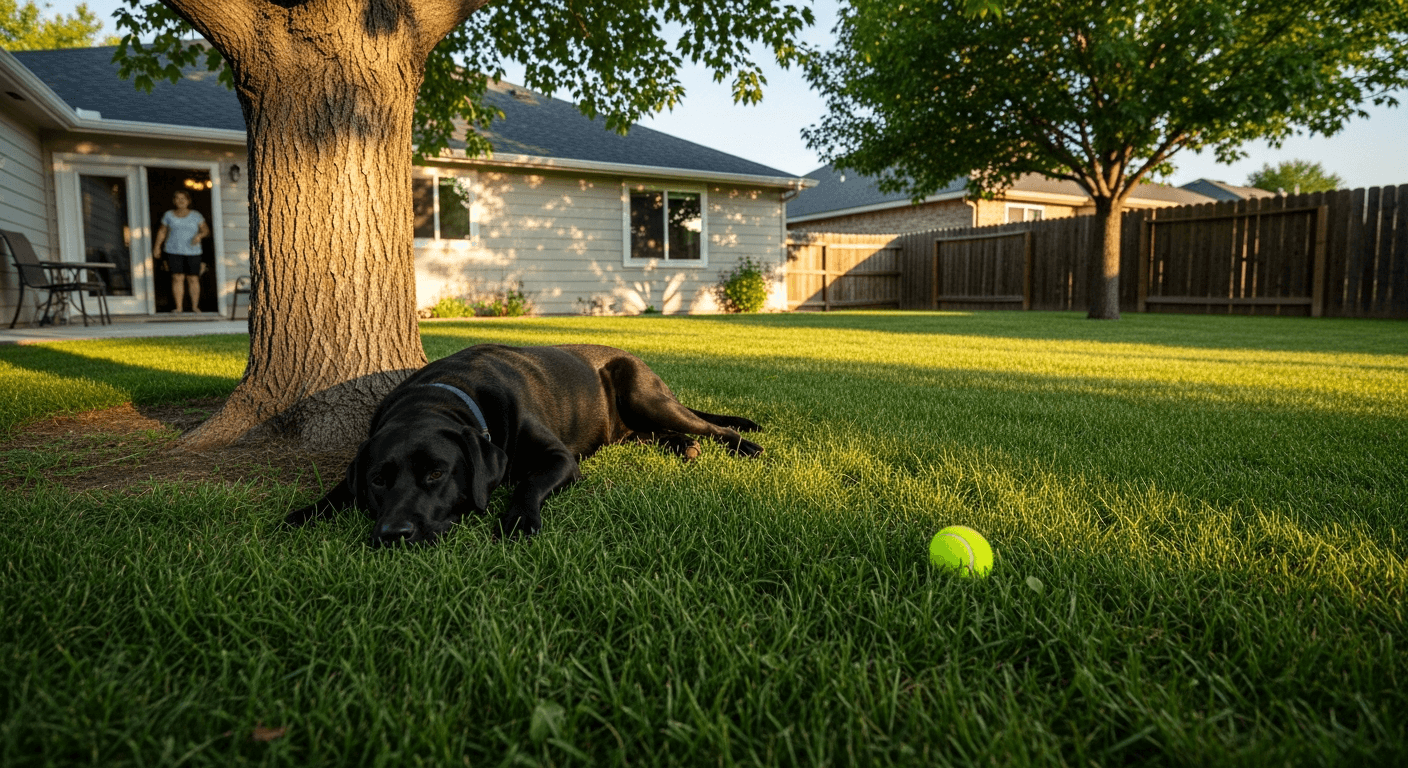
Trusting the backyard for exercise. A Lab with yard access often spends most of its time lying in the shade. Space is not exercise. Without structured activity, a Lab with a yard is frequently less exercised than an apartment Lab with a committed owner. Schedule exercise; don’t assume it happens.
Under-exercising during adolescence. When a Lab hits 8–12 months and behavior deteriorates, the instinct is to restrict freedom as punishment. The actual fix is almost always more structured exercise and more mental stimulation. Under-exercised adolescent Labs are the single most common reason new owners call trainers.
Using the wrong grooming tools. Standard slicker brushes don’t reach the undercoat. Owners who brush weekly and still find hair everywhere haven’t been brushing wrong — they’ve been using the wrong tool. A Furminator or undercoat rake pulls out the loose undercoat before it sheds. This single upgrade cuts loose hair volume more than any other grooming change.
Feeding by label, not body condition. Bag guidelines are calibrated for average activity. A highly active Lab needs more; a couch Lab needs less. Labs are the breed most prone to obesity. Use body condition scoring — you should feel ribs without pressing hard, but not see them — rather than trusting the label. An overweight Lab has a shorter, more painful life.
Skipping ear cleaning. Most Lab ear infections are preventable. Owners who say their Lab “just gets ear infections” are almost always skipping weekly cleaning. Cleaning weekly — especially after swimming, baths, or rain — prevents most infections before they start. Chronic ear infections that don’t respond to drops require a vet visit, not more home treatment.
Expecting trained behavior without maintenance. Labs that knew their commands at 8 months and “don’t listen” at 2 years haven’t forgotten — the commands haven’t been practiced. Obedience is a perishable skill. A consistent 10-minute daily session keeps commands sharp throughout your Lab’s life. The owners who skip this are the ones who say their Lab is untrainable.
Frequently Asked Questions About Living with a Labrador
Do Labs shed more than Golden Retrievers?
About the same. Both breeds have double coats that blow twice yearly and shed continuously year-round. Labs have shorter, denser coats; Goldens have longer, silkier fur that may appear more dramatic in clumps but is roughly equivalent in total volume. Neither breed is a better choice for low-shedding households.
Can Labs be left alone all day?
Most adult Labs (2+ years) manage 6–8 hours alone if their exercise needs are met before and after. Puppies under 6 months should not be left more than 3–4 hours. Labs with separation anxiety may exhibit destructive behavior regardless of age — this requires behavioral intervention, not just more time alone.
Are Labs good for first-time dog owners?
Yes — with preparation. Their high trainability and forgiving temperament make them excellent first dogs. The challenge is managing expectations about shedding, exercise, and adolescent behavior (6–18 months). First-time Lab owners who research before bringing one home do well. Those who expect a calm companion from day one struggle most.
Do Labs calm down with age?
Yes, but later than most owners expect. Labs are notoriously slow to mature mentally. Most owners see meaningful calming between 2–3 years. Full temperament maturity arrives around 3–4 years. The first 18 months are the most energetic and unpredictable; this is the window that determines the adult dog you’ll have.
Can Labs live happily in apartments?
Yes — if the 1.5–2 hour daily exercise requirement is treated as non-negotiable. Many apartment Labs are better exercised than Labs in houses with yards whose owners assume the yard does the work. The constraint is commitment, not square footage. See our complete apartment living guide for specific strategies.
How long do Labs live?
The average Labrador lives 10–12 years. Labs are among the breeds most prone to obesity, which significantly shortens lifespan. Well-exercised, lean Labs regularly reach 12–14 years. Hip dysplasia is the most common age-related condition — prevention through healthy weight and appropriate exercise from puppyhood reduces both its severity and onset timing.
Making the Decision: Is a Labrador Right for You?
You’ve read the reality: shedding year-round, with severe peaks. Exercise requirements of 1.5–2 hours daily with hard play. Grooming 2–3 times weekly, sometimes more. Time commitment of 2–2.5 hours daily. Financial investment of $4,000–$6,000 in year one and $2,000–$2,500 annually. Family compatibility that requires training and supervision. Space flexibility but commitment rigidity.
Here’s what matters most: If you’re already a Lab owner and reading this, you’re likely doing well. You’ve accepted the shedding and built the routine. If you’re reading this to decide: take these requirements seriously. Many rehomed Labs end up in shelters because owners underestimated shedding, exercise, or time commitment. They weren’t bad owners—they were unprepared owners.
Labrador ownership is deeply rewarding when you’re ready. Labs are loyal, intelligent, and eager to work. They integrate into family life fully. If you can commit to the shedding, exercise, and time, the payoff is genuine companionship.
Ready to move forward? Bringing home a puppy? Start with our Labrador puppy first-year guide. Explore our training guides to set your Lab up for success from day one. Learning about Lab health essentials prepares you for preventive care. For a deep dive into the common health issues in Labs — from hip dysplasia to ear infections — see our complete health guide. If you’re getting a puppy, read our puppy’s first-year guide to understand growth, training milestones, and early development.
Still uncertain? That’s okay. Revisit this guide when you’ve realistically assessed your schedule and budget. The answer usually becomes clearer over a few weeks.