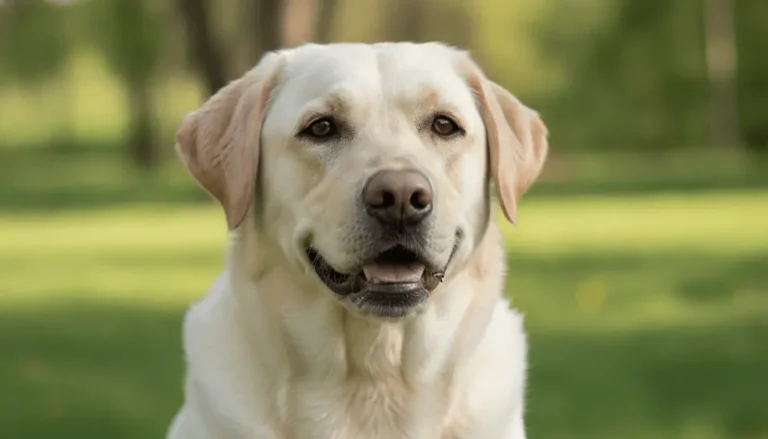
A pitbull lab mix (Labrabull or Pitador) usually lands at 40–90 lbs and 18–25 inches — parent size drives that spread, not coat color. Expect a short-coated, high-energy companion that needs firm training and daily work. Here is temperament, health, lifespan, and who this cross actually fits.
The pitbull lab mix — also called a Labrabull, Pitador, or Lab-Pit — is a Labrador Retriever crossed with an American Pit Bull Terrier or similar pit-type dog. Owners usually get a medium-to-large, short-coated companion that is loyal, energetic, and eager to please. Outcomes vary a lot, though, because “pit bull” is a type, not one fixed breed, and any individual dog can lean Lab or pit.
Pitbull Lab Mix at a Glance
| Trait | Typical range |
|---|---|
| Also called | Labrabull, Pitador, Lab-Pit, Bullador |
| Height | About 18–25 inches at the shoulder |
| Weight | About 40–90 lb (wide spread) |
| Coat | Short and dense; black, yellow/gold, chocolate/brown, brindle, often with white |
| Lifespan | About 10–15 years |
| Energy | High |
| Trainability | High with positive methods |
| Good with kids | Often yes, with supervision and early socialization |
| Shedding | Moderate |
| Apartments | Only if you can meet daily exercise needs |
A pitbull lab mix is not AKC-registerable as a purebred. Most people meet one through a shelter or a designer-breed litter. Treat every dog as an individual — DNA and upbringing matter as much as the label on the kennel card.
What Is a Pitbull Lab Mix?
A pitbull lab mix combines a Labrador Retriever with a dog from the pit bull group — most often an American Pit Bull Terrier, sometimes an American Staffordshire Terrier or a closely related bully-type. Searchers also type lab pit mix, labrador pitbull mix, and pit lab mix; they all point at the same cross.
Not every dog sold as a “pitbull lab mix” is a clean 50/50. Multi-generation mixes and shelter dogs labeled that way are common. Some lean almost entirely Lab in looks. Others show the broader head, deeper chest, and tighter skin of the pit side.
Lab type still matters. An English vs American Labrador parent can shift build toward stockier or lankier. For how this cross sits among other popular crosses, see our Labrador mixes hub. Sibling profiles worth comparing: German Shepherd Lab mix, Labrador Husky mix, and Goldador.
Size and Full-Grown Weight
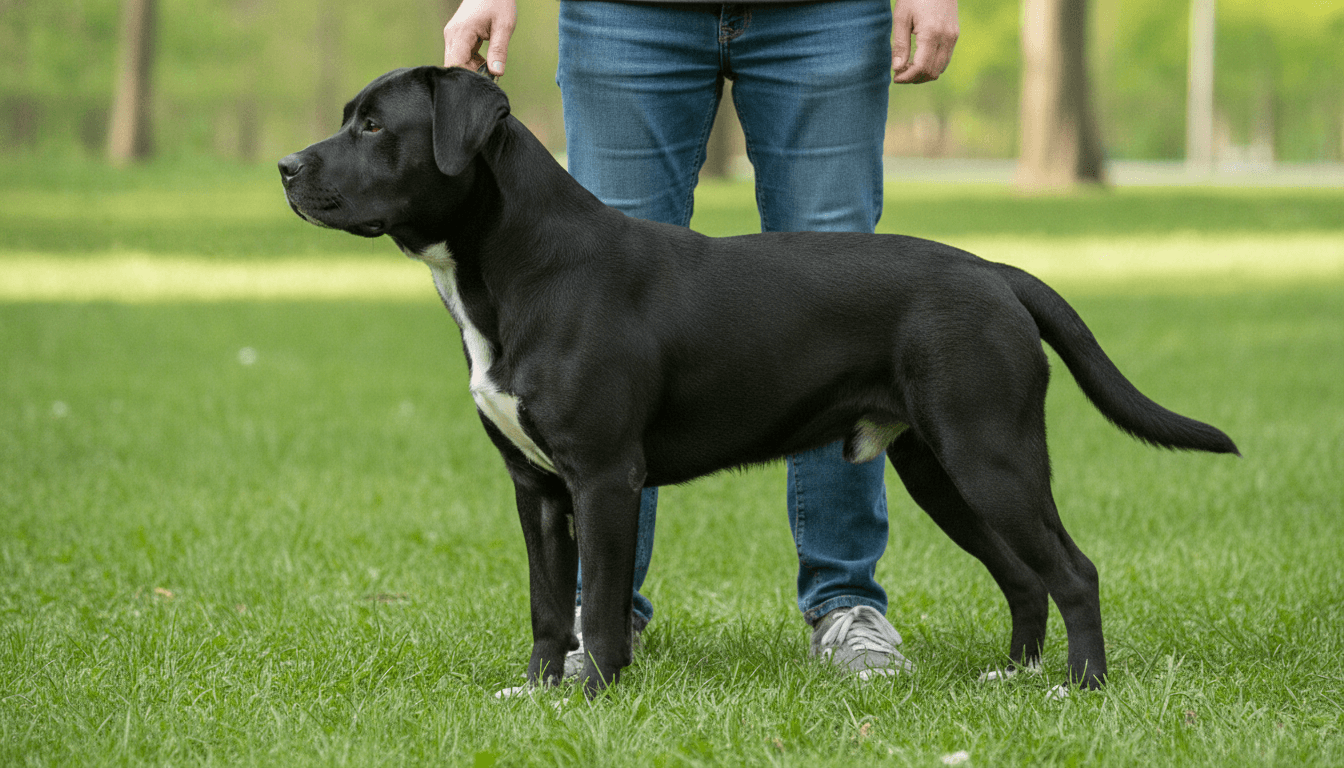
How big do pitbull lab mixes get? Most land between about 40 and 90 pounds and stand roughly 18–25 inches tall. That spread is real. A smaller pit-type parent plus an American Lab can stay mid-size. A heavier bully-type plus an English Lab can push the top of the range.
Full grown black lab pit mix dogs are some of the most searched color+size combos, but coat color does not set adult weight. Chocolate and yellow Lab parents produce the same size band. Sex, nutrition, and neuter timing shift the final number more than color does.
Expect rapid growth through the first year, with a lanky adolescent phase before muscle fills in. For month-by-month Labrador growth context, our age guides (including the 6-month-old Labrador and 9-month-old Labrador posts) help you spot what is normal during adolescence. Keep the pitbull lab mix lean while bones are still closing — extra weight loads joints that both parent lines already stress.
If you are comparing two adults side by side, ignore marketing photos. Meet the dog in person. A fit pitbull lab mix should show a waist from above and a slight tuck from the side, not a barrel that hides the ribs under a Lab-like fluff.
Coat Colors and Shedding
Short coats dominate because both parents usually wear short hair. Color runs black, yellow or gold, chocolate or brown, brindle, and mixed white markings on the chest or paws. A black labrador mix with pitbull genetics is especially common in search demand; chocolate and yellow Lab pit lines show up often in litters too.
Texture ranges from Lab-soft to slightly coarser. Ears may flop fully like a Lab or sit semi-prick. Heads often look broader than a pure Lab without matching a show-ring pit.
Shedding is moderate year-round. If the Labrador coat dominates, you may also see heavier seasonal blowouts. That is normal Labrador behavior — see our full guide on whether Labrador Retrievers shed a lot rather than treating shedding as a separate mix mystery. Weekly brushing and a bath when dirty are usually enough. Floppy Lab-type ears still need checks; moisture trapping raises infection risk, covered in our Labrador ear infections guide.
Temperament and Personality
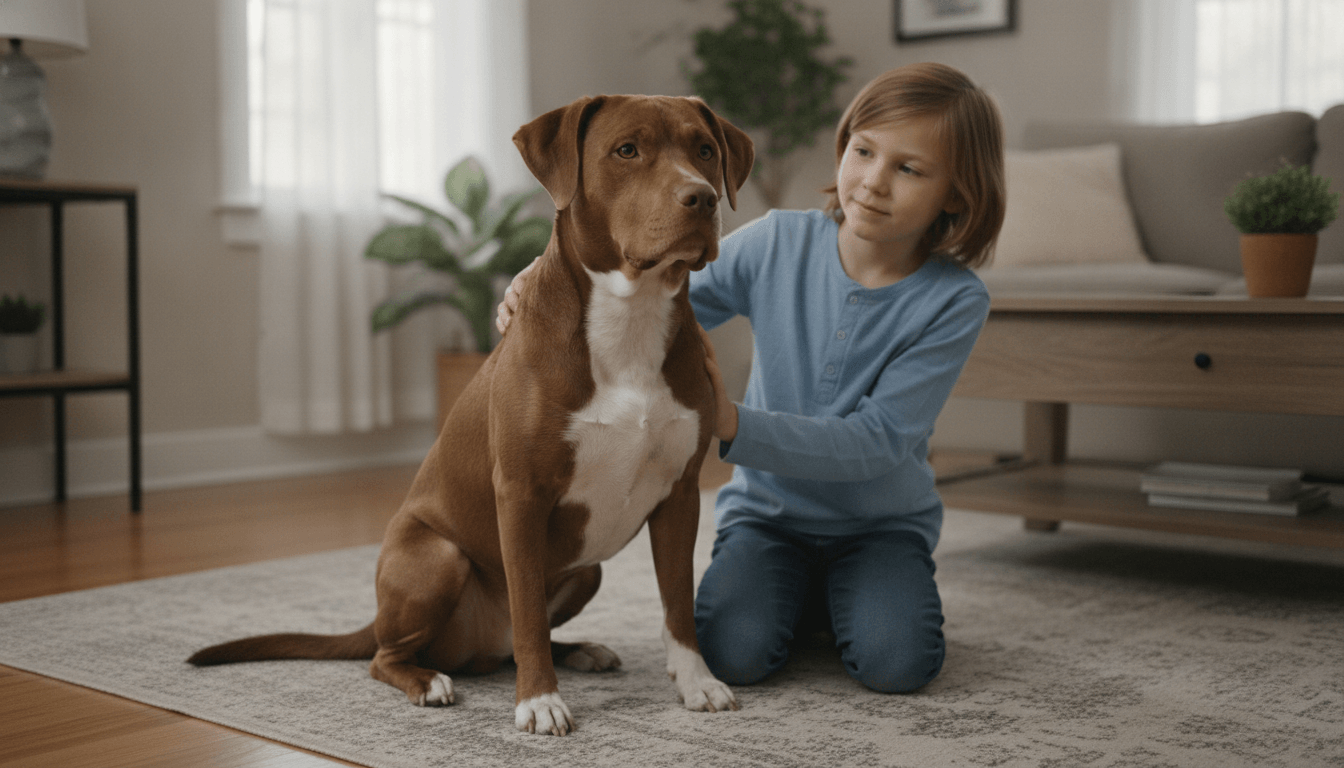
Pitbull lab mix temperament is usually people-focused: affectionate, playful, and quick to bond. Both Labs and well-bred pit-type dogs were selected to work with humans, so the cross often acts like a “Velcro” companion that follows you room to room.
Energy stays high for several years. A bored pitbull lab mix invents hobbies you will not like — chewing, counter-surfing, backyard excavation. Mental work (training games, food puzzles) matters as much as physical exercise.
Are they aggressive by default? No. Aggression is not a breed destiny for this mix. Risk rises when a strong dog is poorly socialized, harshly handled, or left under-stimulated. Strength plus loyalty means early manners matter more here than with a soft toy breed. For Labrador-side protective behavior (alert and loyal, not a classic guard dog), see are Labradors protective of their owners.
Dog-dog sociability varies. Some inherit Lab friendliness. Others are more selective with unfamiliar dogs. Early, careful introductions beat wishful thinking. A pitbull lab mix that is wonderful with people can still need managed greetings at the dog park — plan for that instead of assuming every Lab habit transfers.
Training and Socialization
This is a highly trainable cross when you use food rewards and clear criteria. Labs bring food drive. Pit-type dogs bring focus and physical confidence. Together you get a dog that learns fast and can get strong enough to pull through a bad habit if you wait too long.
Start in the core socialization window (about 8–16 weeks for puppies) with people, surfaces, handling, and calm dog meetings. Teach bite inhibition early — a playful mouth from a powerful adolescent hurts. A consistent “ouch” and pause in play works the same way it does for Labrador puppies.
Build a reliable sit, down, leave-it, and loose-leash walk before adolescence peaks. For Labrador methods that transfer well to this mix, use our Labrador training guide and how to train a Labrador puppy. Separation practice matters too; clingy mixes are prone to distress when left alone — see Labrador separation anxiety.
Exercise and Daily Care
Plan on more than a casual neighborhood stroll. Most adults need a daily mix of walks plus higher-intensity play — fetch, flirt pole, swimming if they like water, or structured training sessions that tire the brain.
Under-exercised dogs escalate into destructive behavior. Overdoing forced running on a young puppy damages growth plates, so keep formal jogging for after skeletal maturity and use free play and short training instead. For Labrador exercise baselines that map well onto this mix, read how much exercise a Labrador needs. Apartment life is possible only if you meet that energy budget every day — see can Labradors live in apartments for the tradeoffs.
Feeding needs discipline. Labs carry a strong appetite drive (including the POMC-related tendency in many Labs), and a muscular pitbull lab mix can hide fat under a “fit” look. Measure calories and keep a visible waist. Portion guidance lives in how much you should feed a Labrador.
Grooming stays simple: brush weekly, trim nails every few weeks, clean ears, and keep teeth on a care plan. Low coat maintenance does not mean zero care.
Health Issues and Lifespan
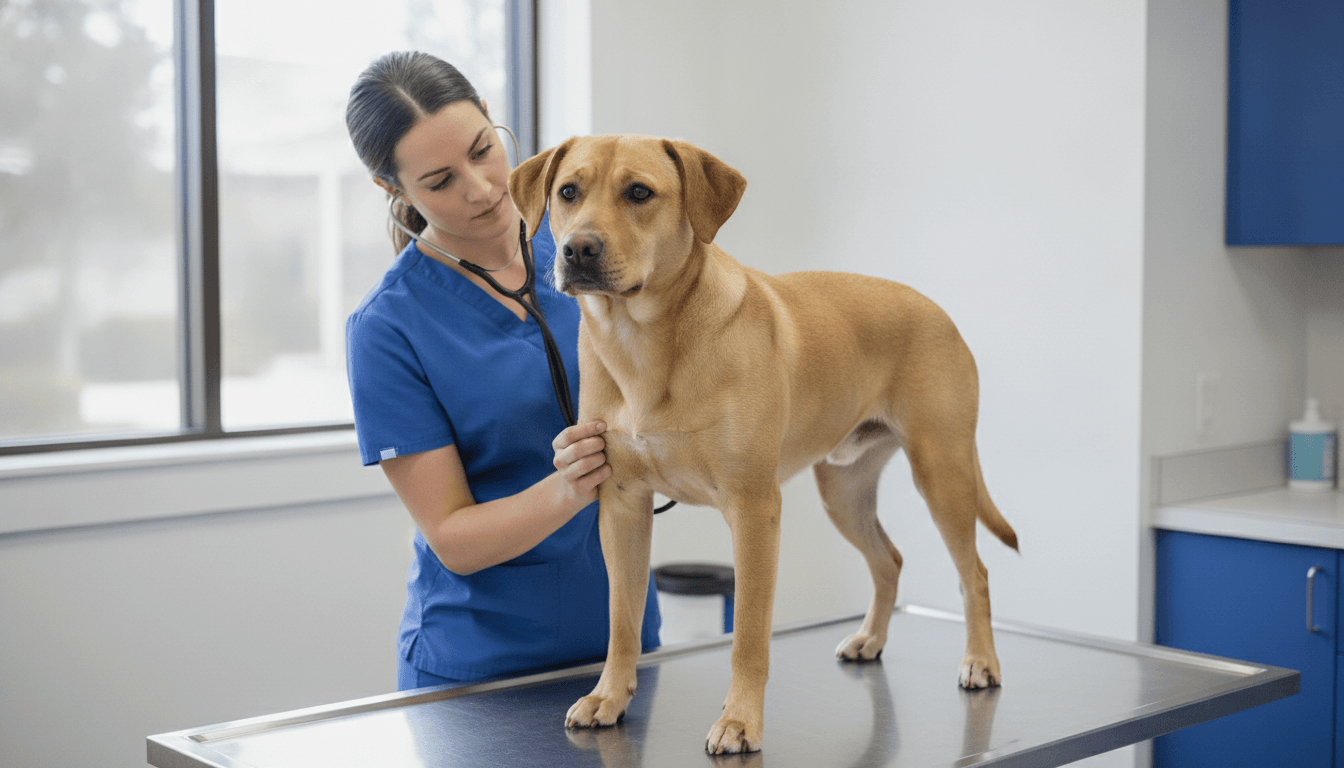
Pitbull lab mix life expectancy usually falls around 10–15 years. Individual genetics, weight, and preventive care move that number. For Labrador lifespan context by color and lifestyle, see life expectancy of a Labrador.
Shared risks from both sides include hip dysplasia, allergies and itchy skin, obesity, and — in deep-chested individuals — bloat (gastric dilatation-volvulus), which is an emergency. Lab-leaning ears raise ear-infection odds. Eye conditions and joint wear show up in poorly screened lines.
Hybrid vigor is not a guarantee. Ask for OFA or PennHIP hips, elbow clearances, and eye exams on breeding dogs when you buy a puppy. Shelter dogs deserve a full vet workup and a slow introduction plan. Our Labrador hip dysplasia guide and Labrador health guide cover screening and management in depth so this post does not duplicate those pages.
Keep the dog lean. Extra pounds accelerate joint disease in every large mix.
Is This Mix Right for Your Family?
Many families do well with a pitbull lab mix when kids are old enough to respect space and adults can supervise play. Size and enthusiasm can knock toddlers over by accident. For Labrador-specific kid guidance, see are Labradors good with kids.
You also need to check housing rules, insurance, and local breed restrictions. Some leases ban pit-type dogs even when the dog is a mix. That is a paperwork problem, not a temperament score — plan for it before you adopt.
Good fit: active household, time for training, willingness to socialize early, secure fencing. Poor fit: all-day alone with no enrichment, no interest in training, or a home that cannot meet exercise needs.
Finding a Pitbull Lab Mix Puppy or Rescue
Start with rescues and shelters. Pit-type mixes are overrepresented in kennels, and many make outstanding house dogs once they decompress. Meet the dog more than once. Ask about bite history, dog reactivity, and behavior with children.
If you buy a puppy, avoid impulse online listings. Meet parents when possible, verify health testing, and walk away from anyone who will not show clearances. Price varies widely by region; ongoing food, care, and training cost more than the adoption fee over the dog’s life.
New-puppy logistics (crate, schedule, first weeks home) overlap heavily with Labrador puppy care — getting a Labrador puppy is the right deep dive. The pitbull lab mix puppy phase adds one extra priority: socialize widely and teach calm manners before strength peaks.
Frequently Asked Questions
What is a pitbull lab mix called?
Common names are Labrabull, Pitador, Lab-Pit, and Bullador. All refer to a Labrador Retriever crossed with a pit-type dog.
How big does a pitbull lab mix get?
Most adults weigh about 40–90 lb and stand about 18–25 inches tall. Parent size and individual genetics drive the spread.
How long do pitbull lab mixes live?
Typical lifespan is about 10–15 years with good weight control and veterinary care.
Are pitbull lab mixes aggressive?
Not by default. A well-socialized, well-trained pitbull lab mix is usually friendly and people-oriented. Strength and poor management raise risk for any powerful dog.
Do pitbull lab mixes shed?
Yes — usually moderately. Labrador-leaning coats can blow seasonally. See our Labrador shedding guide for management tools and brush choices.
Are pitbull lab mixes good with kids?
Often yes when supervised and socialized. Match the dog’s energy to the children’s ages and never leave young kids alone with any large dog. A tired, trained pitbull lab mix is a safer playmate than an under-exercised one.
How much exercise does a pitbull lab mix need?
Most adults need daily walks plus vigorous play or training. Think active companion, not occasional weekend athlete. If your schedule cannot support that, choose a calmer adult from rescue rather than a high-drive puppy.
A well-bred or carefully adopted pitbull lab mix can be a loyal, trainable family dog — if you respect the energy, the strength, and the socialization work. Compare it with other Lab crosses in our mixes hub, start from the breed guide, and use the linked training and health posts when you need depth beyond this profile.