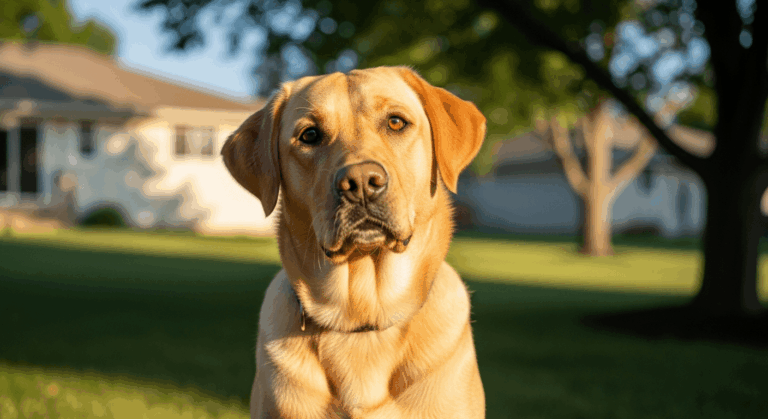
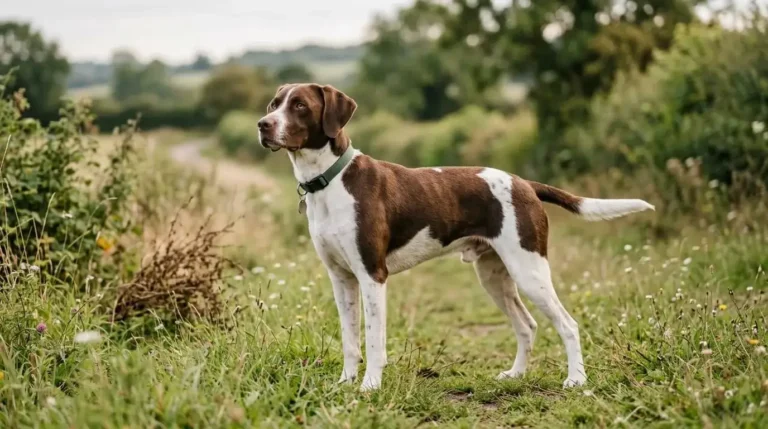
The Labrador Husky mix is one of the most visually striking crosses out there — often inheriting the Husky’s blue eyes and the Lab’s athletic frame. What it also inherits is two working dogs’ worth of energy, drive, and independence. This is not a passive companion; it is an active, demanding dog that rewards experienced, committed owners and challenges everyone else. Here is the honest picture before you get one.
Labrador Husky mixes (Huskadors) are energetic, sociable, striking-looking dogs that combine the Lab’s people-focused trainability with the Husky’s independent working drive. They need significant daily exercise, consistent training from puppyhood, and secure fencing. The Husky’s independence and escape instinct can surface even in Lab-dominant individuals. Compare the Huskador with the Sheprador and pitbull lab mix if you are weighing Lab crosses.
Huskador Appearance: Size, Coat and Those Eyes
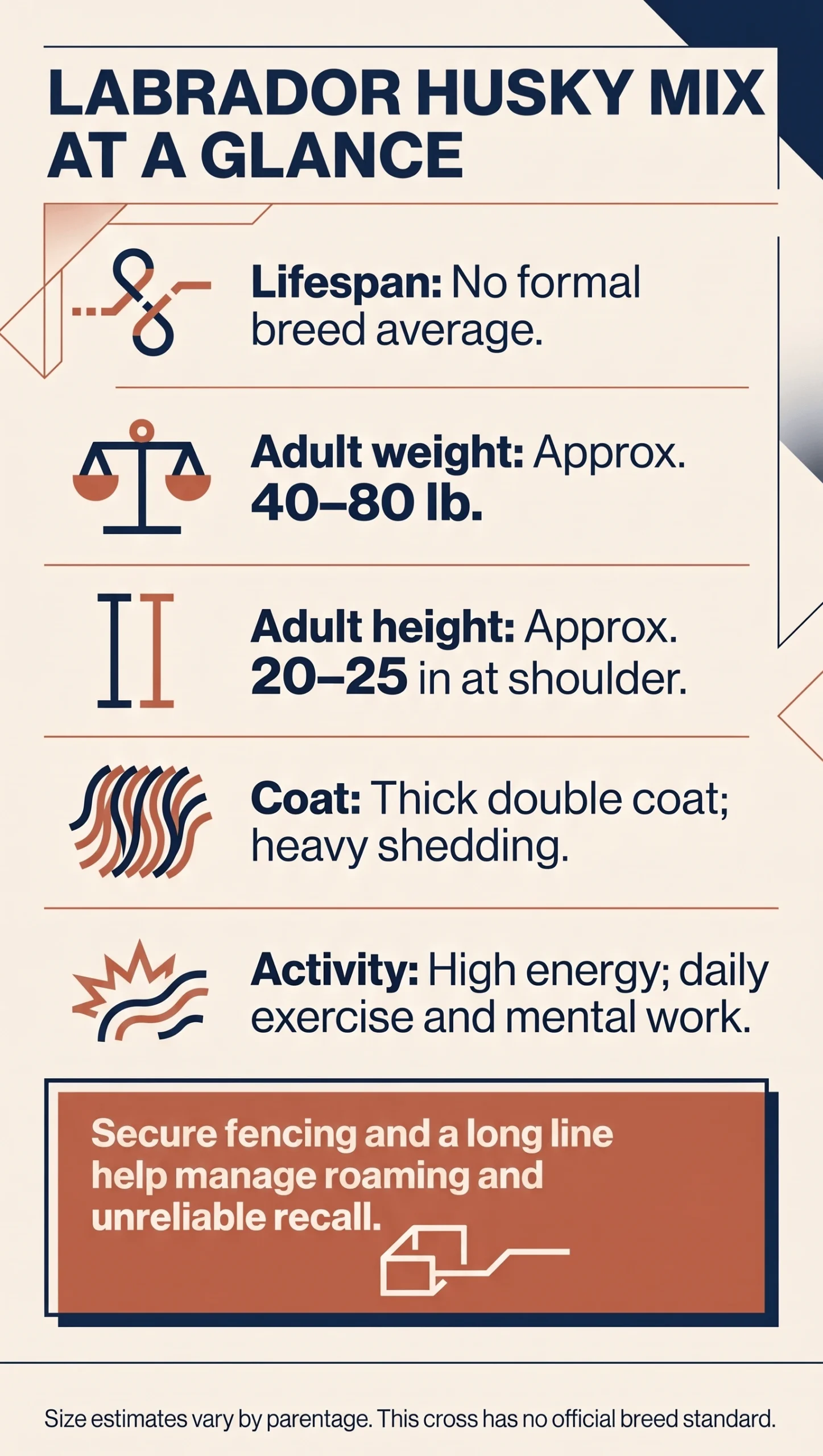
A Huskador’s size range is wide, because Huskies (35–60 lbs) are smaller than Labs (55–80 lbs). Expect roughly 40–80 lbs and 20–25 inches at the shoulder, with males trending larger.
The coat is a thick double coat — both parent breeds carry dense double coats — usually medium-length and heavily shedding. This is not a low-maintenance coat. Colors span black, black-and-white, gray, tan, yellow, and chocolate, frequently with Husky-style facial markings.
A labrador chow mix brings the same thick coat and heat limits, usually with a more reserved temperament.
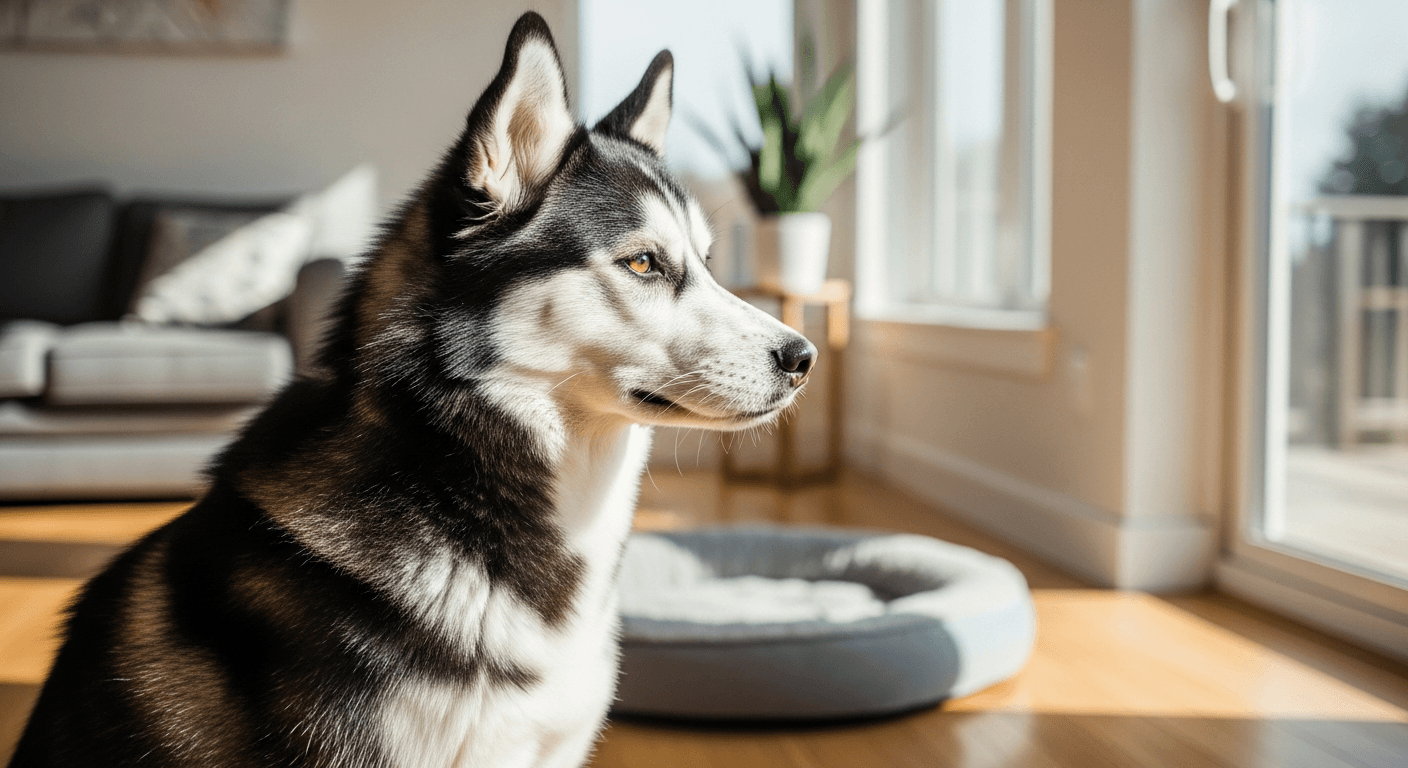
Eyes are the headline feature. Blue eyes are a Siberian Husky signature, and a Huskador can inherit blue eyes, brown eyes, or bi-color eyes — one blue and one brown. This is purely cosmetic and carries no health significance, so a blue-eyed Huskador is no more or less healthy than a brown-eyed one. In build, you typically get the Lab’s muscular, robust frame paired with the Husky’s leaner head and more pointed muzzle — an athletic dog with striking coloring. The AKC describes the Labrador parent as an active, friendly breed, and the Husky side adds even more drive. For the Lab parent’s baseline traits, see our Labrador Retriever breed guide.
Huskador Temperament: The Independent Variable
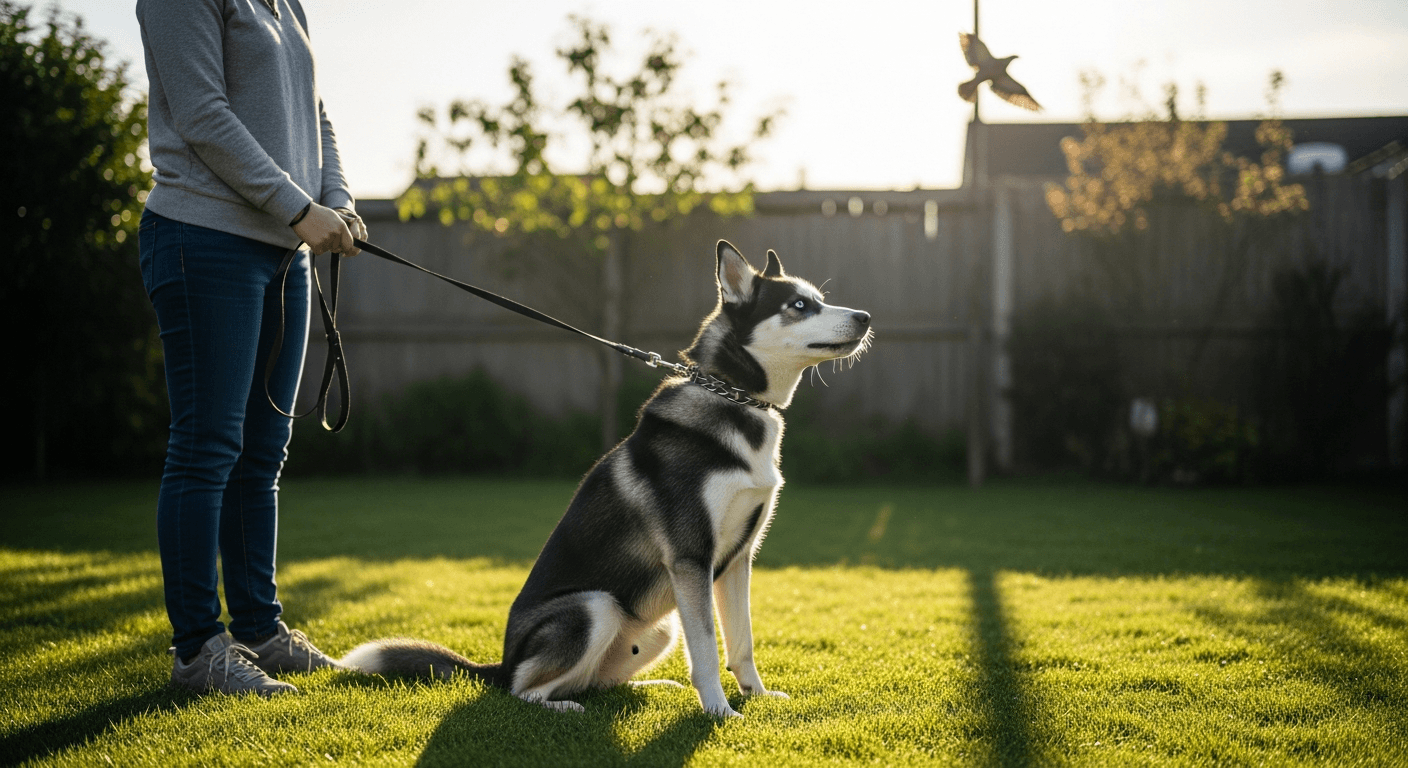
The Lab side of a Huskador brings social openness, food motivation, handler focus, and trainability through positive reinforcement. That is the easy half. The Husky side is the part most owners underestimate.
Huskies were bred to run in sled teams and make decisions independently while running — they do not defer to a handler the way a Lab does. That history shows up as independent drive, lower food motivation (Huskies were bred to work on minimal food), strong prey drive, a tendency to be vocal, and a notable escape instinct. None of that is bad behavior; it is the breed doing what it was built to do.
How it plays out depends on which parent the dog favors. A Lab-dominant Huskador is enthusiastic, social, and trainable — essentially a higher-energy Lab. A Husky-dominant Huskador is independent, stubborn in training, often vocal, strongly prey-driven, and a genuine escape risk that requires secure fencing.
On sociability, both parents are friendly with people, so the Huskador is rarely territorial or protective — it makes a poor guard dog but a good social companion. With other animals, the catch is prey drive: a Huskador can be unreliable around cats and small dogs even when it is great with people. Individual variation always applies, so meet the parents.
Training a Labrador Husky Mix: Working With the Independence
Training a Huskador calls for a different approach than training a purebred Lab, because the Husky independence changes what works. Use both food and play — Huskies have lower food drive than Labs, so tug, chase games, and big praise can outperform treats for Husky-leaning dogs. Find the individual dog’s primary motivator early and lean on it.
Keep sessions short. Huskies bore quickly with repetition, so several 3–5 minute sessions a day beat one long drill. Recall is the make-or-break skill: the Husky’s prey drive and independence make off-leash recall both the most important and the most difficult thing to teach. Start recall at 8 weeks, and never allow off-leash freedom in unsecured areas until it is rock-solid. Be honest with yourself — many Huskadors cannot be fully trusted off-leash around wildlife or unfamiliar small dogs no matter how much you train.
Secure the environment. Huskies are famous escape artists who jump, dig, and find gaps, and a Huskador can inherit all of it. Six-foot fencing with a dig guard at the base is the right standard; a Huskador alone in a yard with a four-foot fence is a runaway waiting to happen. For the underlying obedience foundation, see our Labrador training guide. Between the independence, escape risk, and training demand, this is a poor match for first-time owners.
Huskador Health and Life Expectancy
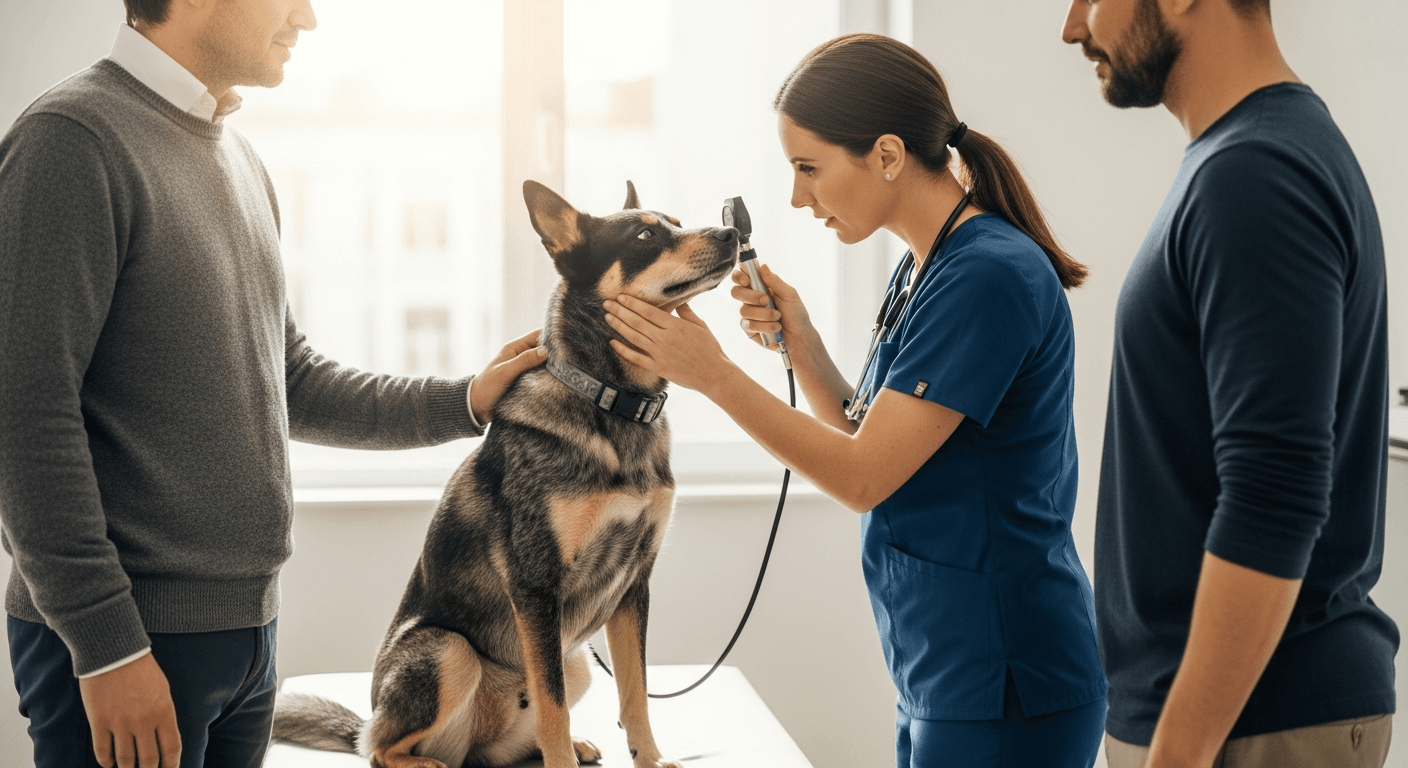
A Huskador typically lives 10–13 years. Siberian Huskies are a hardy working breed with relatively few breed-specific conditions, so a health-tested Huskador tends to be a robust dog — but risks from both lines still apply.
Hip dysplasia affects both Labs and Huskies, though Huskies have lower prevalence than Labs. Both parents should still have OFA or PennHIP hip clearances. The risk worth flagging for this cross is eye disease: Huskies carry hereditary cataracts and progressive retinal atrophy (prcd-PRA), and Labs carry prcd-PRA as well, so a Huskador from two untested parents can inherit eye conditions from either side. Ask for an OFA/CAER eye exam and a prcd-PRA DNA test on both parents. For the Lab-side detail, see our guide to Labrador eye problems.
One more from the Husky line: hypothyroidism is common in Huskies, and a Huskador may inherit the tendency. Watch for weight gain despite normal eating, lethargy, and coat changes in an adult dog — it is easily managed with daily medication. According to VCA Animal Hospitals, inherited retinal disease is best caught through parent screening, which is exactly why the DNA tests matter before you buy.
Huskador Care: Exercise, Grooming and Is This the Right Dog for You?
Exercise is the heart of Huskador ownership: 2+ hours daily, minimum. The Husky’s endurance plus the Lab’s ball drive make a dog with a high, sustained exercise need — running, bikejoring, long secured hikes, and fetch all fit. Skimp on it and you get destruction, anxiety, and howling. Mental stimulation is mandatory alongside the physical: nose work, puzzle feeders, and training sessions head off the boredom that triggers the Husky-side behaviors.
Grooming is real work. The thick double coat sheds year-round and blows coat twice a year, so brush 3–4 times a week and use a deshedding tool during seasonal blows.
A Huskador is right for you if you lead an active outdoor life, have dog experience, can give 2+ hours of exercise and engagement daily, and have secure six-foot fencing. It is not right for you if you are a first-time owner, have a low-activity lifestyle, keep cats or small dogs (prey-drive risk), or have fencing under six feet.
Frequently Asked Questions: Labrador Husky Mix
What is a Labrador Husky mix called?
A Labrador Husky mix is commonly called a Huskador. It is a cross between a Labrador Retriever and a Siberian Husky that blends the Lab’s trainable, people-focused nature with the Husky’s independent, high-energy working drive.
Do Labrador Husky mixes have blue eyes?
Sometimes. A Huskador can inherit the Husky’s blue eyes, the Lab’s brown eyes, or bi-color eyes — one blue and one brown. Eye color is purely cosmetic and has no effect on health or vision. It is not guaranteed in any given puppy.
Are Labrador Husky mixes good family dogs?
They can be, in active and experienced homes. Huskadors are friendly and sociable, but their high exercise needs, independence, escape instinct, and prey drive make them demanding. They are a poor fit for first-time owners or homes with cats and small pets, and they need secure fencing.
How much exercise does a Huskador need?
At least 2 hours of vigorous daily exercise, plus mental stimulation. This is one of the highest-energy Lab crosses. Without enough physical and mental work, a Huskador becomes destructive, anxious, and vocal. Running, hiking, and fetch in secured areas all suit them well.
Are Labrador Husky mixes hard to train?
They are more challenging than a purebred Lab. The Husky’s independence and lower food drive mean training takes short sessions, play-based rewards, and patience. Recall is especially difficult because of prey drive, and many Huskadors can never be fully trusted off-leash near wildlife.
Can a Labrador Husky mix live in a hot climate?
Yes, with management. Shift exercise to dawn and dusk, keep shade and water constant, and never shave the double coat — it insulates against heat as well as cold, and shaving ruins how it regrows. Watch harder for overheating than you would with a single-coated breed.
The Huskador is a striking, intelligent, loyal dog that delivers on its promise — if you are ready for what the Husky side actually requires: two hours of daily exercise, secure fencing, and consistent training from the start. Get those in place and the Labrador Husky mix is an outstanding companion. If you are still comparing crosses and breeds, our Labrador Retriever breed guide is the best place to start.