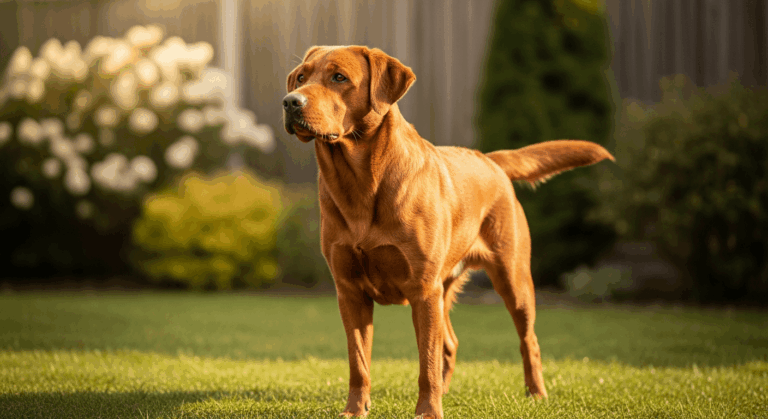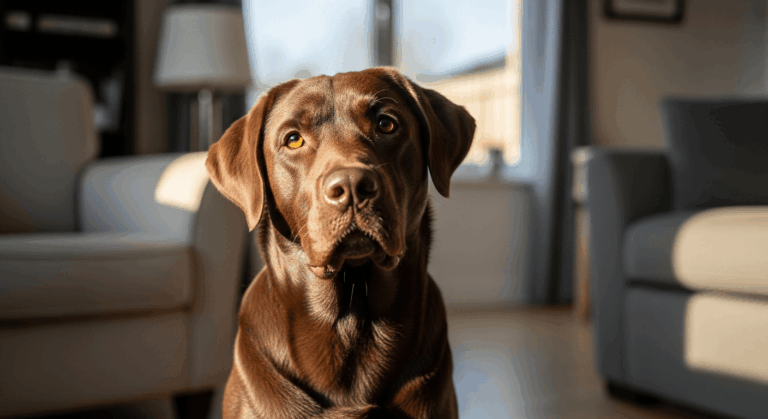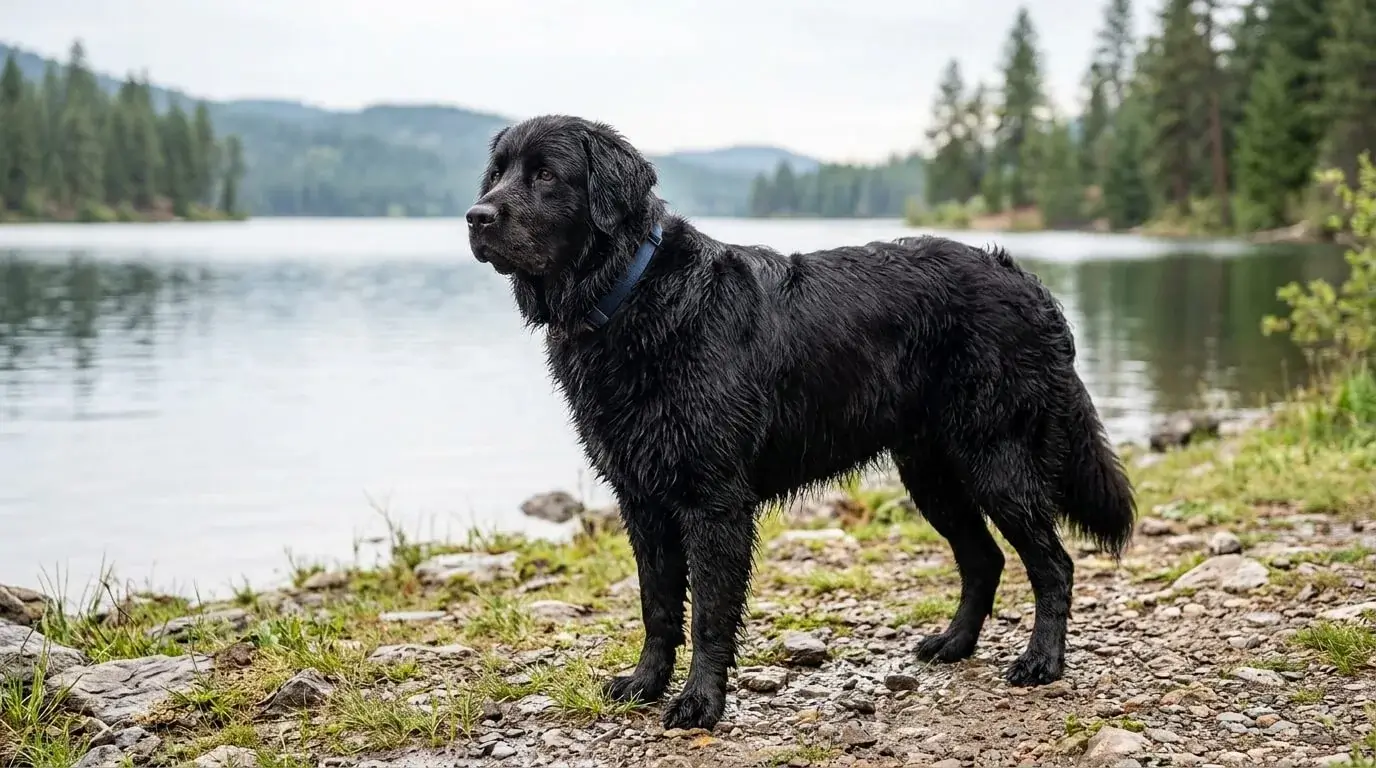
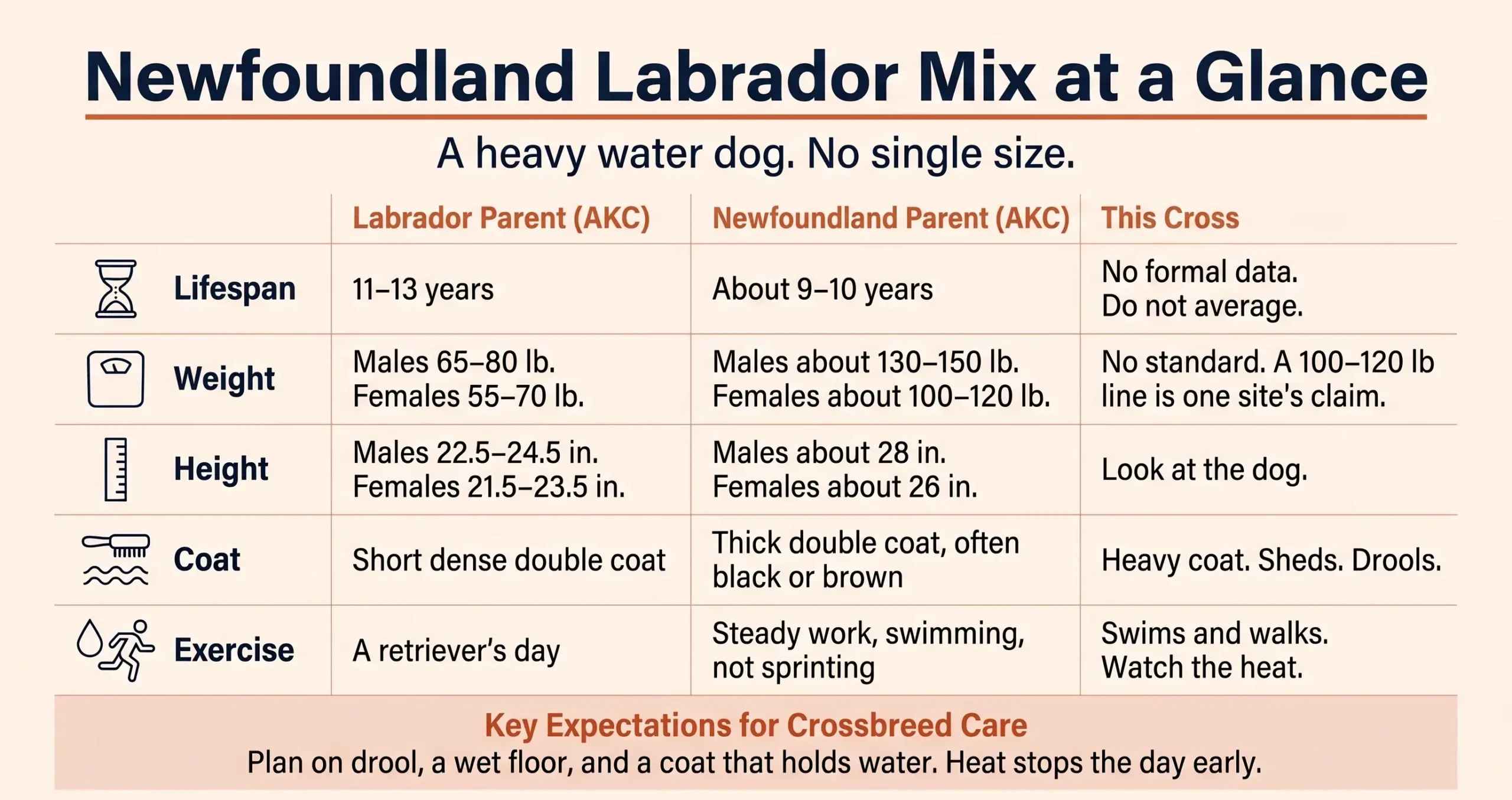
A newfoundland labrador mix is a heavy water dog, not a low-work beginner pet. Newfoundland males average about 28 inches and 130–150 pounds. Females average about 26 inches and 100–120 pounds. Labs are 55–80 pounds. One care site prints 100–120 pounds and 25–27 inches for the mix. That is their claim, not a standard.
Newfador is a nickname. The American Kennel Club Newfoundland is a massive water-rescue dog with a thick coat. The Labrador is a retriever built for cold water too, with a shorter coat. No club has measured the cross. We will not pretend one photo is the breed.
Size, Drool, and the Floor
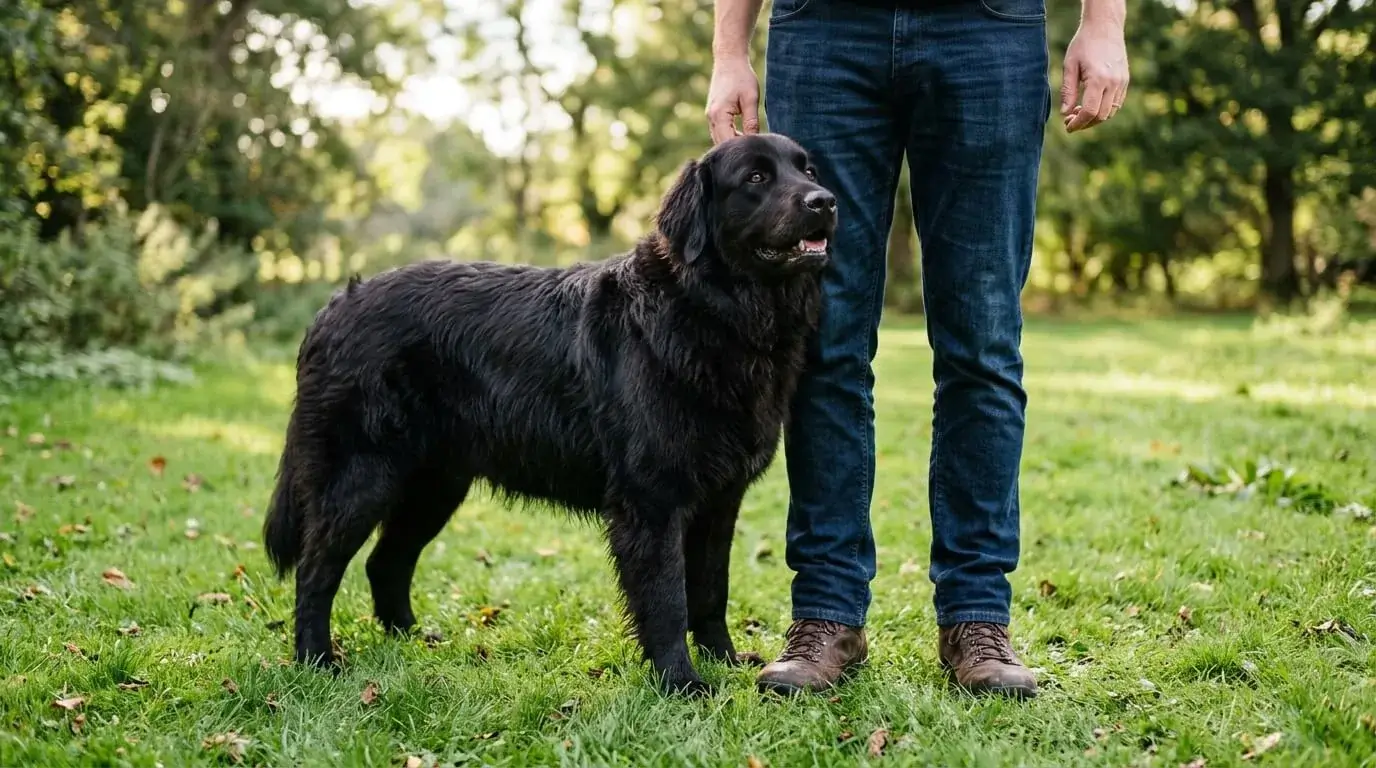
A newfoundland labrador mix drools. The Newfie lips hold water. The Lab half may shorten the muzzle and cut the mess. It does not erase it. A towel by the water bowl is normal. So is a wet patch on the floor after a drink.
A Labrador mastiff mix drools just as hard, with a shorter coat and more bulk.
The body is large. Doorways, couches, and laps get claimed. A beginner can live with this dog if the house can dry a floor and the person can brush a wet coat. A beginner who wanted a tidy apartment dog will be unhappy by month two.
Littermates in a newfoundland labrador mix litter vary. One stays closer to a big Lab. The next grows the Newfie bone and the heavier coat. Black and brown are common. Color is not the weight.
We do not publish one adult number. Look at the parents. Look again at 18 months. It is one of the water breeds in our Labrador mix directory.
A Bernese mountain dog Lab mix is the dry-land cousin: the same giant frame and heavy coat, from a draft parent bred to pull carts instead of swim.
Ask which dog carried the litter. A smaller Lab carrying Newfie-sired puppies is a hard whelping. A newfoundland labrador mix from a Newfie dam is the safer production story. If the seller will not say, that silence is the answer.
A Coat You Brush, Not a Coat You Ignore
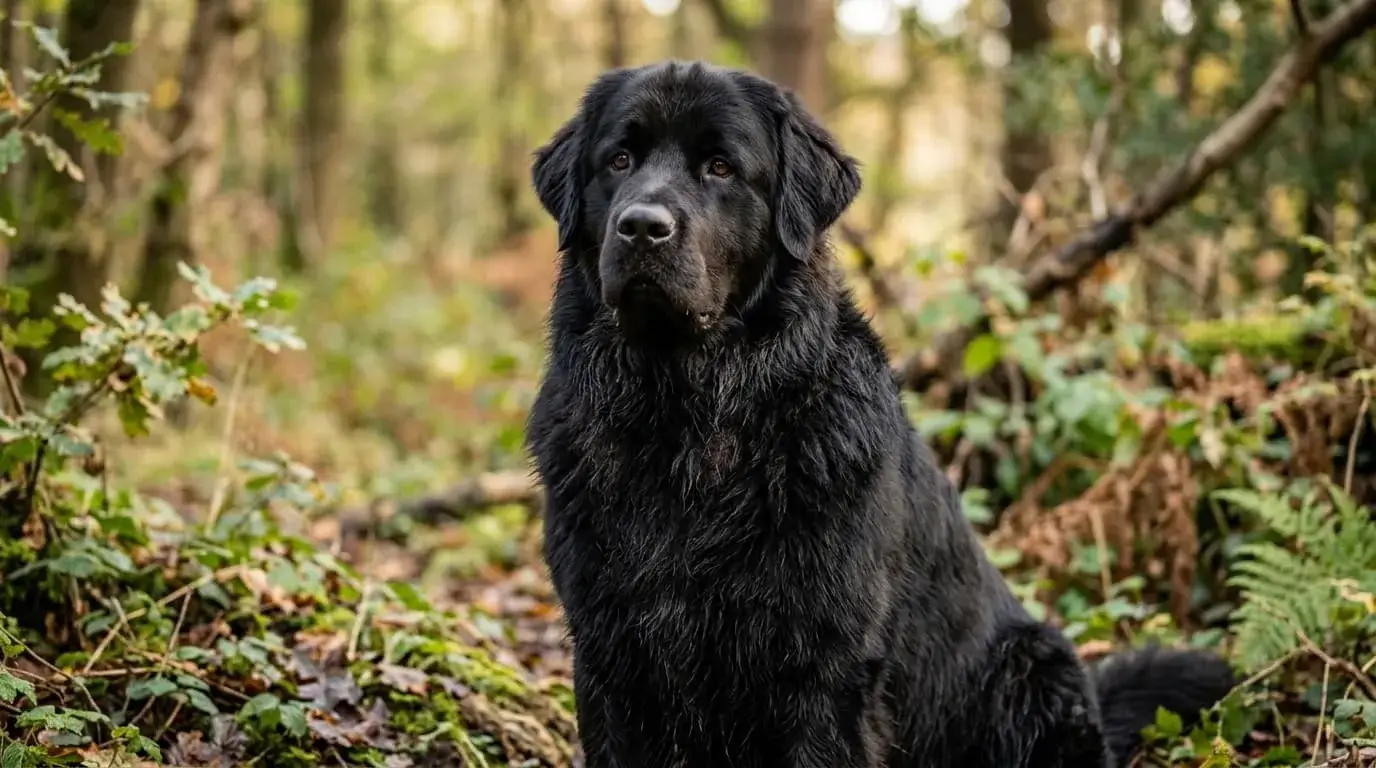
Both parents shed. The Newfie coat is thicker. The Lab coat blows twice a year. A newfoundland labrador mix often does both: hair on the floor all year, and clumps in spring and fall. Brush several times a week. Daily during a blow. Allergy sufferers should look elsewhere.
A wet coat that is not brushed mats at the ears, the chest, and behind the legs. Mats hold water against the skin. That is how a swim becomes a rash. Dry the dog. Then brush. A bath without a brush just sets the mat.
Dry the coat down to the skin after every swim. A thick jacket holds water against the body for hours. That is a skin problem and a couch problem. Towels by the door are gear.
A newfoundland labrador mix holds water in the coat and in the lips. That damp coat chills a dog that just came out of a cold lake. It also holds heat on a parked driveway. Never leave this dog in a closed car, even with a window cracked. Check the chest and the rear after every swim. Water hides there after the top of the coat looks dry.
Ears are drop ears under a heavier coat. Smell them weekly. Our water-dog notes sit next to the ear habit: if the dog swims, the canal stays damp. Redness or a sour smell is a vet visit.
Swimming, Heat, and the Real Walk
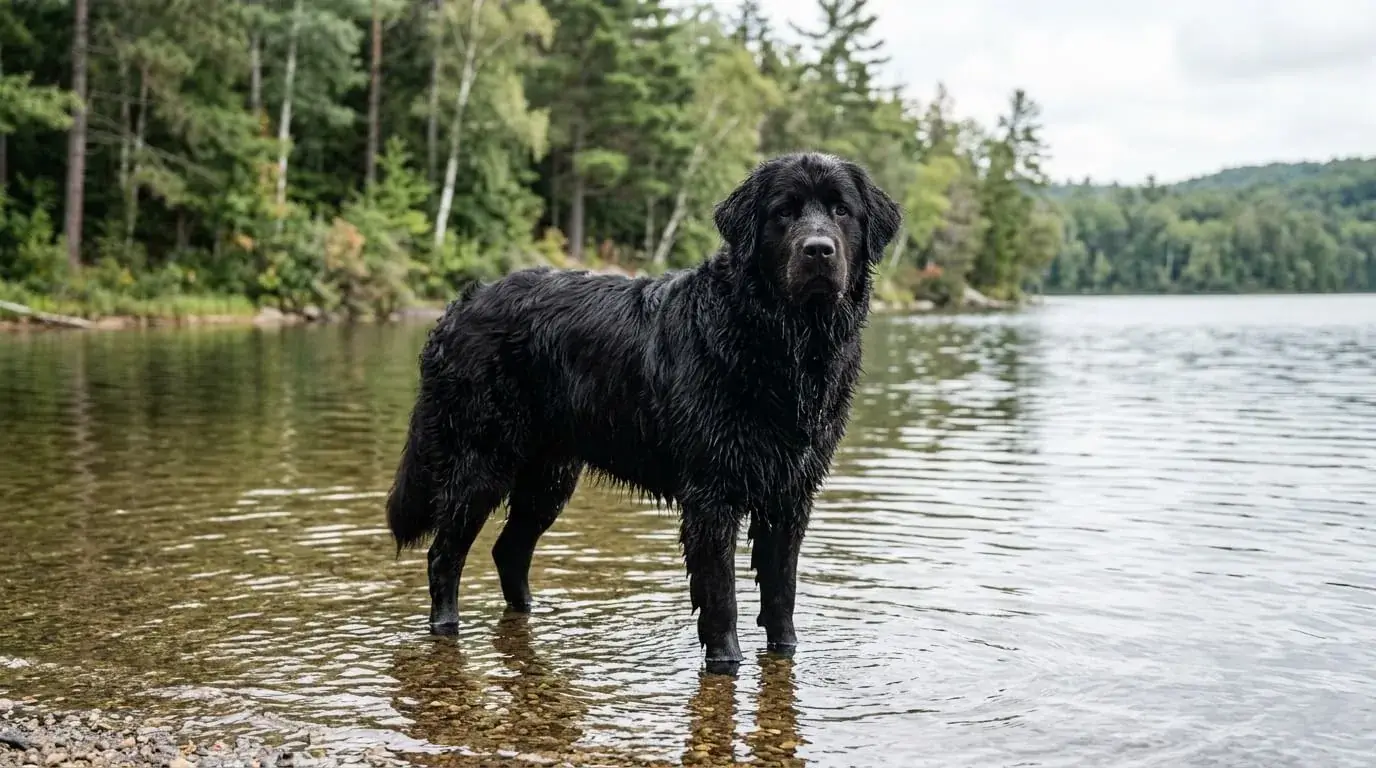
These dogs usually like water. Labs were built for it. Newfoundlands were built to pull people from it. A newfoundland labrador mix will often head for the lake. That is a gift and a soaking. Our guide to whether Labradors like water covers the retriever half. This cross adds more coat and more drag when the dog climbs out.
Give a ramp or a gentle shore. Do not throw the dog off a dock to test the instinct. A life jacket helps a young dog in deep water. An adult that swims well still needs an easy exit.
Swimming is the job this cross was built for, and it is also how a heavy coat gets dangerous. A newfoundland labrador mix can swim longer than you can watch. Stay at the edge. Cold water does not mean the dog is fine. If the dog lags on the walk back, the swim is over.
Heat is the limit. A thick coat and a large body overheat on a summer sidewalk. Walk at dawn. Skip midday fetch. Swimming in cool water is the better summer job. Standing in a hot yard is not exercise. It is a risk.
A fair adult day for a newfoundland labrador mix is a steady walk plus a swim or a sniff, not a sprint. One site suggests about 30–60 minutes. That can fit a calm adult. It is their line, not a law. A dog that took the Lab’s field engine may want more. A dog that took the Newfie’s pace may want less, done slowly. Watch the tongue and the gait.
Puppies do not need miles. Short walks. No forced jogging while the joints are open. Giants and near-giants grow for a long time.
Family Dog, Not a Guard
These dogs are usually gentle with their people. The size looks serious. The manners are often soft. Do not buy a newfoundland labrador mix as a guard. It may bark once and then lean on the guest.
Kids do well when they are old enough not to climb the dog or pull wet ears. Toddlers get knocked over by a tail and a greeting. Supervise. Teach a sit before the hello while the puppy is still movable.
A newfoundland labrador mix often likes other dogs. A heavy dog playing with a small dog needs a person watching. Weight causes the harm. Intent may be friendly.
They do not do well parked alone all day and then expected to be calm. A wet, bored, giant dog finds a sofa. Give the swim or the walk before the long quiet.
Cars and crates are the practical test. A newfoundland labrador mix does not fold into a sedan. A wagon with a barrier, or a crate the adult can lie flat in, is the trip plan. Measure the crate against an adult Newfie, not against the puppy you can still lift.
The same dog needs a fence it cannot lean through. Invisible fences are a bad idea on a dog this heavy and this drawn to water. The pond on the next property will win.
Puddles in the house are not a training failure by themselves. They are physics. A drink, a swim, and a shake put water on the walls.
Mats by the door, a towel on a hook, and a person who expects the mess will stay sane. A person who wanted a showroom floor will fight the dog every day. That fight is optional. The drool is not.
Hips, Heart, and Bloat as Questions
Ask for hip scores on the Lab parent and, if they exist, on the Newfie parent. Large water dogs carry joint risk. A parent score is a screen, not a promise for the puppy.
Joints and a growing giant do not like stairs as a sport. Carry a newfoundland labrador mix puppy down, or use a ramp, until the chest fills. Slippery wood is a wrist injury waiting. Rugs on the path from the bed to the door are cheaper than a limp.
Nails should be short so the foot does not splay under that weight. A monthly grind is part of the brush day, not a separate crisis.
Heart disease shows up in some Newfoundland lines. Ask what heart check the Newfie parent had, and when. Nobody tracks heart rates for the cross, so the parent’s paper is the only evidence.
Bloat is a deep-chest emergency: a tight belly, retching with nothing coming up, a dog that cannot settle. That is a clinic now. Feed meals. Do not pile one huge bowl and then throw a ball.
No formal data exists for how long a newfoundland labrador mix lives. Newfoundlands are often listed around 9–10 years. Labs are often 11–13. Do not average them. A lean dog with a dry coat and sound hips has a better chance than a heavy dog that lives wet and unbrushed.
FAQ
Do they drool?
Yes. A newfoundland labrador mix with Newfie lips drools after drinking and after swimming. A more Lab-like muzzle may drool less. Keep the towel.
Are they good with kids?
Usually gentle, and still big. Older kids who respect the ears do well. Toddlers need a person between them and the greeting. Friendly is not the same as small.
How long do they live?
No mix study exists for a newfoundland labrador mix. Use the parent ranges only. Do not buy a guaranteed decade.
Do they shed?
Yes. The coat is thick and it sheds, with heavier blows. This cross is not hypoallergenic. Brushing is the weekly job.
A newfoundland labrador mix is a sweet, heavy swimmer that soaks the house. If you can dry the floor and brush the coat, the temperament is often easy. If you wanted a tidy first dog, this is the wrong kind of easy. The Lab’s water-dog history explains why the retriever half will not keep the house dry either.