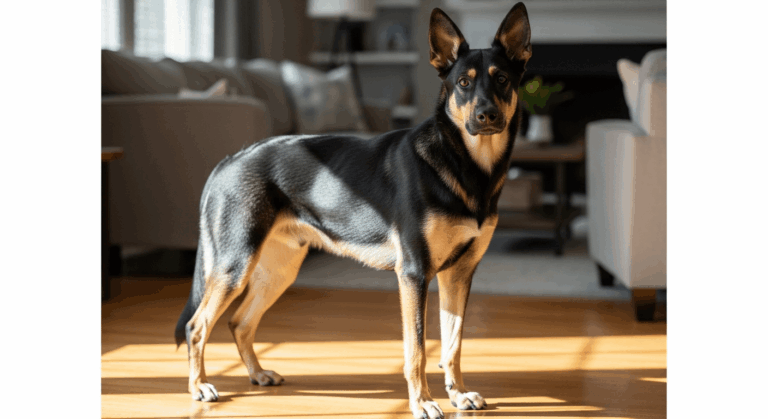
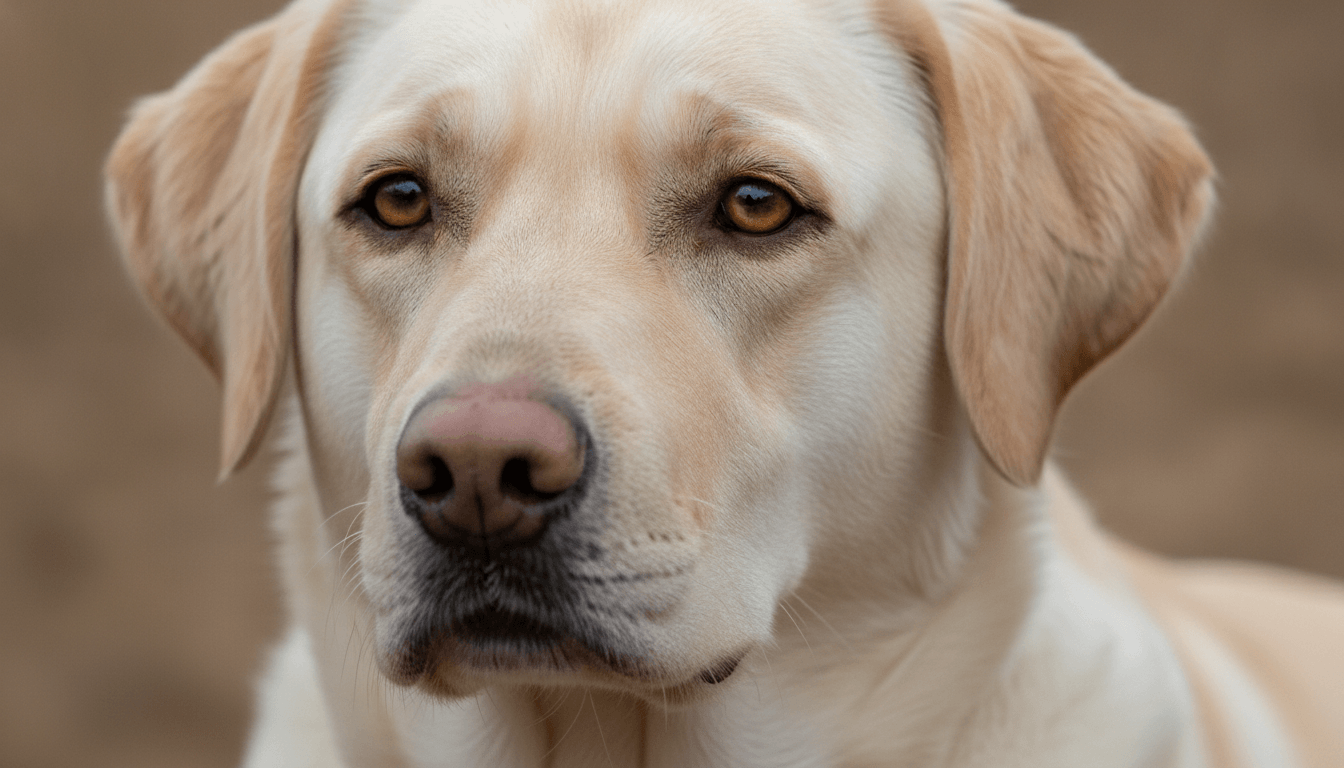
A champagne Labrador is a yellow Labrador Retriever whose coat is lightened by the same recessive dilute gene that turns chocolate Labs silver and black Labs charcoal. The coat reads creamy or pale gold — softer than a mid-gold yellow — and the nose often looks light brown rather than jet black. It is still a Lab in build and temperament. It is not a fourth AKC color.
A champagne Labrador is a yellow Labrador with a dilute coat gene (the same recessive dilute that makes chocolate Labs silver and black Labs charcoal). Coat looks creamy or pale gold—not a fourth AKC color. AKC papers list them as yellow. Temperament matches other Labs; ask about dilute-related skin risks and health testing, not “rare premium” pricing.
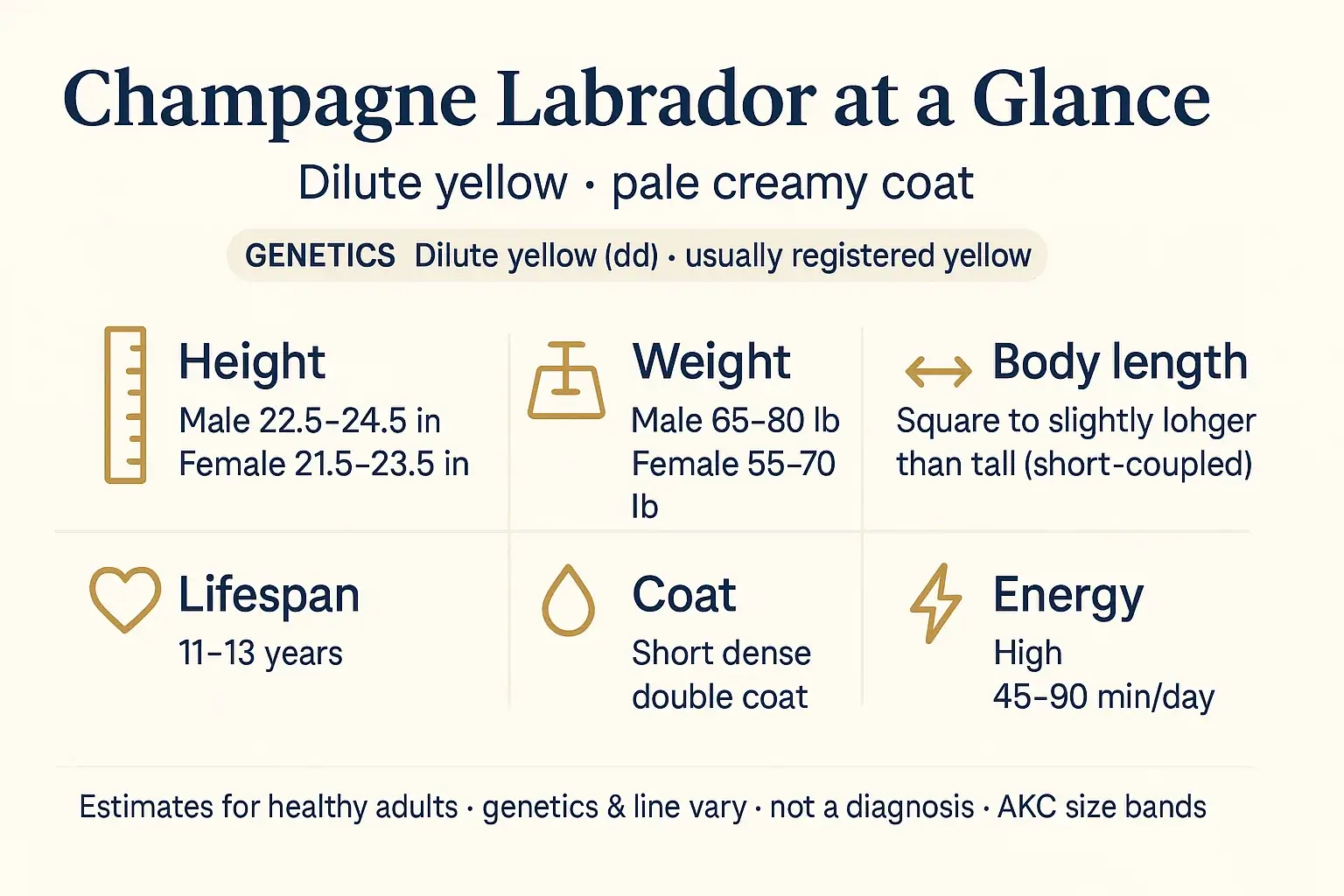
What Is a Champagne Labrador?
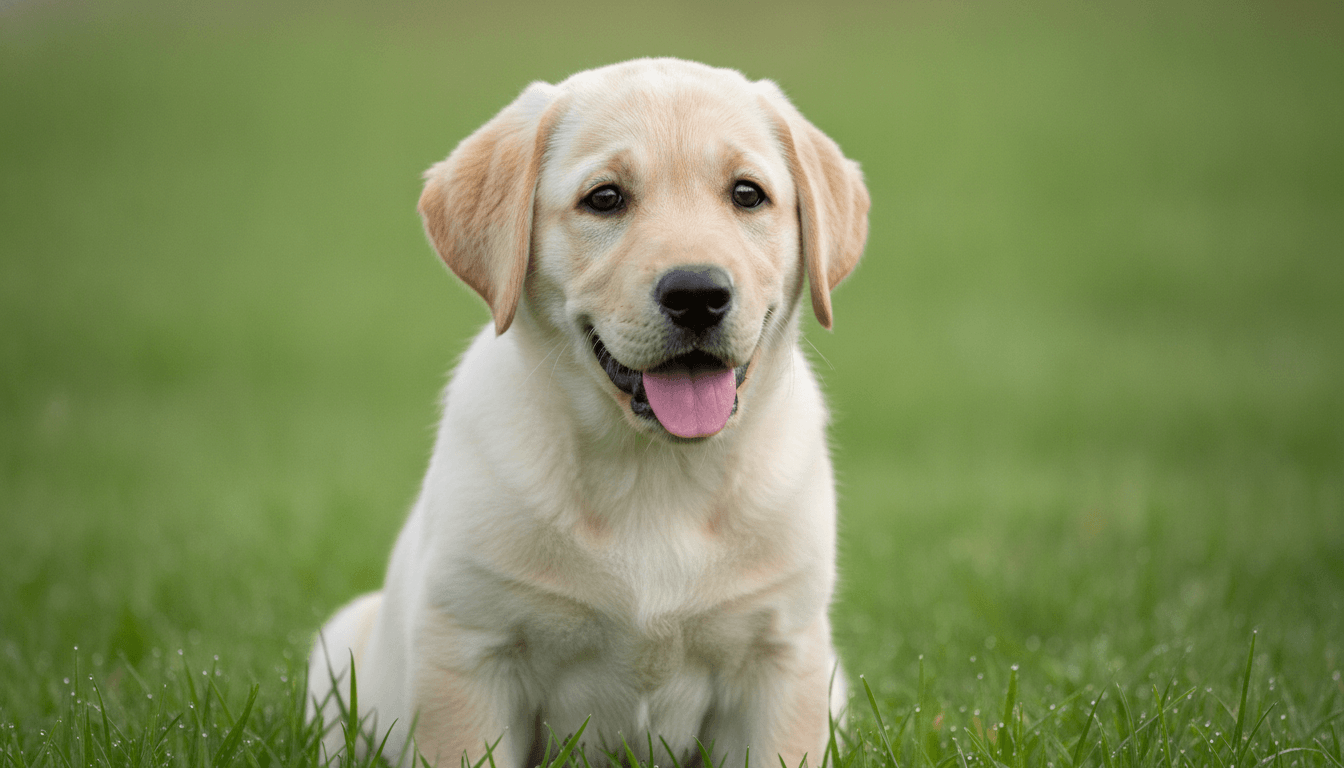
This dilute yellow Labrador Retriever has a soft cream or pale-gold coat — sometimes described as a muted champagne tone — rather than a bright mid-gold yellow. Many of these dogs also show lighter nose pigment (often light brown or liver-toned), which fits dilute genetics.
The dog itself is still a Labrador. Body type, energy, trainability, and appetite match other Labs. Color describes the coat, not a separate breed or a special personality package.
Breeders and sales pages often use “champagne Lab” or “champagne Labrador Retriever.” Those labels are marketing shorthand. On registration papers, the dog is recorded as yellow — the same official color used for cream, gold, and fox-red shades that do not involve the dilute gene.
For the full map of Lab shades and labels, start with our guide to Labrador colors. For the non-dilute yellow range — cream through gold — see our yellow Labrador guide.
Champagne Genetics in Plain English
Labrador coat color rests on a few gene pairs. The E locus decides whether the coat expresses dark pigment (black or chocolate) or the red-yellow pigment that makes yellow Labs. A yellow Lab is ee — that double recessive switches the coat to the yellow pathway.
A separate gene pair — the D locus — controls dilution. Dogs with two copies of the recessive dilute allele (dd) lighten whatever pigment their coat would otherwise show. On a yellow base (ee + dd), that lightening produces champagne. On chocolate, the same dd produces silver. On black, it produces charcoal.
So this dilute yellow Lab is not “a little bit fox red” or “almost white.” It is a yellow Lab carrying the dilute genotype. All three dilute looks — champagne, silver, and charcoal — share the same dilute mechanism applied to different base colors. Our silver Labrador guide covers the chocolate side of that spectrum in depth.
Parents must both pass a dilute allele for a dd puppy to appear. Two yellow Labs that do not carry dilute will not produce champagne. Two dilute carriers can produce dilute and non-dilute puppies in the same litter.
Champagne vs Yellow, Fox Red, White, Dudley, Silver & Charcoal
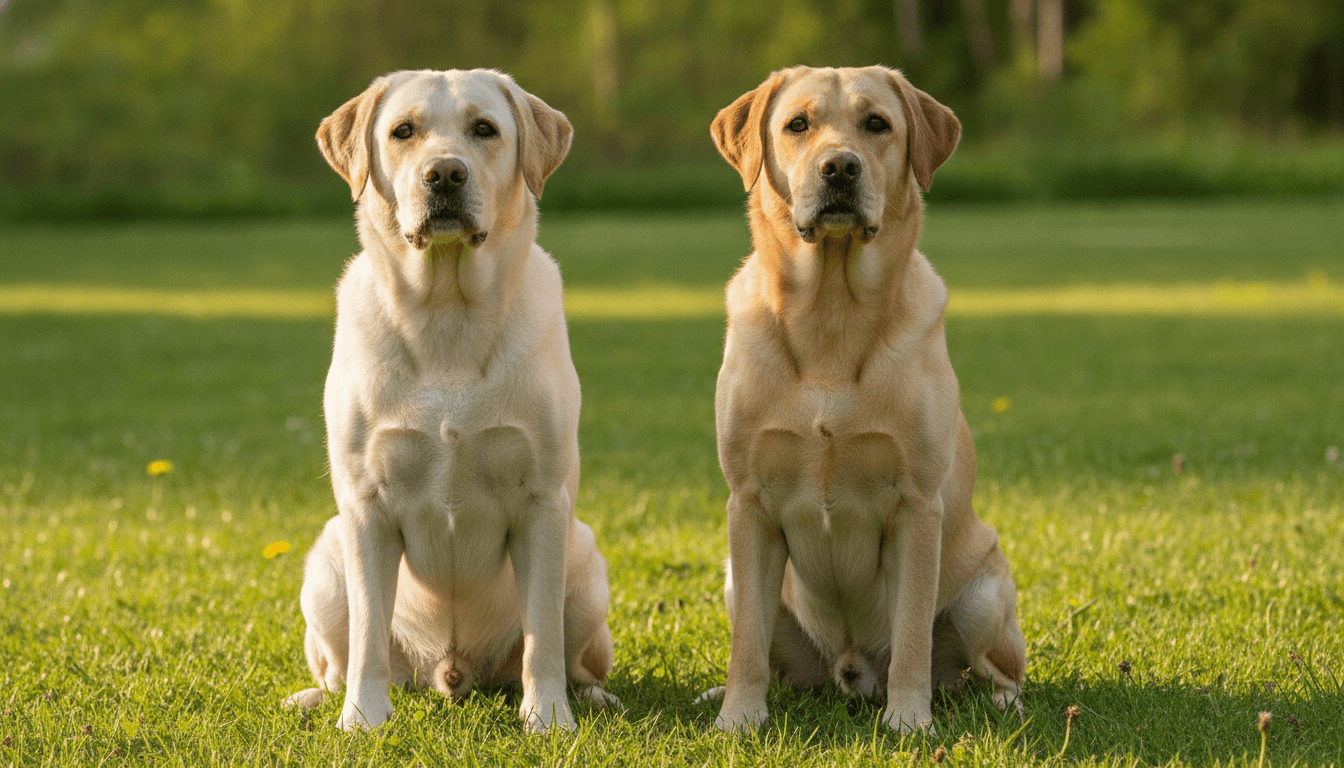
Search results and social posts often mash these labels together. They are not the same dog.
| Label | What it is | Same as champagne? |
|---|---|---|
| Champagne | Dilute yellow (ee + dd) — creamy / pale gold | — |
| Yellow Labrador | Standard yellow shades without dilute | No — champagne is the dilute version |
| Fox red Labrador | Deep copper end of yellow — modifier genes, not dilute | No |
| White / cream Lab | Very pale yellow shade, usually dark nose | No — pale shade ≠ dilute gene |
| Dudley | Yellow Lab with lifelong pink / flesh nose pigment loss | No — pigment on nose/rims, not dilute coat |
| Silver Labrador | Dilute chocolate | Sibling dilute, different base |
| Charcoal Labrador | Dilute black | Sibling dilute, different base |
Fox red is a deep yellow shade driven by pigment modifiers — not the dilute gene. Do not treat fox red as “dilute yellow.” A white Lab is usually a very pale yellow with a dark nose; champagne is a dilute look and often has lighter nose pigment. A Dudley is about missing dark pigment on the nose and eye rims, not a champagne coat.
Champagne, silver, and charcoal are siblings on the dilute spectrum. Dilute yellow is not rarer or “better” than silver or charcoal — it is simply another base color with the same dilute gene. None of the three is a fourth AKC color.
AKC Registration, the Show Ring & the Dilute Debate
The AKC recognizes three Labrador colors: black, yellow, and chocolate. Champagne Labs register as yellow. There is no official “champagne” category on the registration form, and the conformation ring does not treat champagne as a separate standard color.
That paperwork fact matters for buyers. AKC registration documents parentage. It does not settle the purity debate around dilute Labs, and it does not mean champagne is an endorsed fourth color.
The Labrador Retriever Club (LRC) — the AKC parent club for the breed — has long argued that dilute colors (silver, charcoal, champagne) are not legitimate purebred Labrador colors. The club’s public materials warn buyers against paying a premium for dilute coats framed as rare or desirable.
You will also hear the Weimaraner theory: that the dilute gene entered Lab-type lines through outside breeding decades ago. That story is widely repeated. It is not a settled courtroom-style proof in every individual pedigree. Treat it as a disputed origin theory — not as something we invent certainty for. The honest buyer takeaway is simpler: dilute Labs sit outside traditional breed-color expectations, controversy is real, and coat color alone is never proof of quality.
Health & Care Notes for Dilute Labs
Dilute yellow Labs share the core Labrador health profile: hip and elbow dysplasia, progressive retinal atrophy (PRA), exercise-induced collapse (EIC), and obesity risk. Ask any breeder for OFA or PennHIP hip clearances, elbow certification, eye clearance, and EIC DNA results on both parents — the same paperwork you should demand for a black, yellow, or chocolate Lab.
Dilute coats add one color-linked concern: color dilution alopecia (CDA). According to the Merck Veterinary Manual, CDA is linked to the dilute genotype in several breeds. Affected dogs can develop fragile hair shafts, thinning along the back and flanks, dry flaky skin, and secondary infections. Not every dd dog develops CDA, and severity varies. There is no cure; management is ongoing if it appears. That risk belongs in the buying conversation for champagne, silver, and charcoal alike.
If the nose leather is pale, treat sun sense the way you would for any lightly pigmented muzzle: limit harsh midday exposure and ask your vet about dog-safe protection for thin or pinkish spots. A diluted light-brown nose is not the same as a lifelong pink Dudley nose, but pale skin still deserves a closer look.
Daily care is otherwise standard Lab care. Expect heavy seasonal shedding — color does not reduce it — and plan real exercise. Our guides on whether Labradors shed a lot and how much exercise a Labrador needs cover the baselines that apply whether the coat is champagne or classic yellow.
Temperament, Training & Living With a Champagne Lab
Coat color does not write personality. These dogs have the same temperament range as other Labs: friendly, food-motivated, people-focused, and energetic enough to need daily work. Training methods that work on a black Lab work here too.
Sales copy sometimes invents a special “champagne personality.” Ignore that. Temperament comes from lineage, early socialization, and how the dog is raised — not from a creamy coat. English show lines and American field lines can both produce dilute puppies; the line predicts drive better than the shade does.
Living with a champagne Lab means living with a Labrador. Plan crate training, leash manners, and mental work. Keep portions honest — Labs gain weight easily, and extra weight stresses joints. Meet the parents when you can. Judge the individual dog, not the label on the kennel website.
Buying or Adopting Without the Hype
Color is not quality. A dilute yellow puppy is not automatically healthier, smarter, or rarer in a way that justifies a “rare color” surcharge. No formal public data set proves champagne is ultra-scarce nationwide — and “rare” on a sales page is usually a pricing tactic.
Red flags:
– “Rare champagne premium” pricing with thin or missing health clearances
– Claims that fox red, white, and champagne are the same thing
– Pressure to buy before you see parent health paperwork
– Breeders who talk only about color and never about hips, elbows, eyes, or EIC
Green lights look ordinary and boring: transparent health testing, open discussion of dilute controversy and CDA, clear registration as yellow, and a temperament-first home match. Rescue and rehoming are valid paths too — many excellent Labs need homes, and coat shade should never outrank welfare.
If you want a Lab for the Lab, buy the dog. If you want a champagne Labrador for the look, go in with eyes open on dilute genetics, parent-club controversy, and skin risk — then still insist on the same health bar as any other Labrador Retriever.
Frequently Asked Questions
What is a champagne Labrador?
A champagne Labrador is a yellow Labrador with the recessive dilute gene (dd). The coat looks creamy or pale gold, and the nose is often lighter brown. It is the dilute-yellow sibling to silver (dilute chocolate) and charcoal (dilute black). Papers list it as yellow, not as a separate color.
Is a champagne Lab AKC recognized?
The AKC registers these dogs as yellow Labradors. It does not recognize champagne as a fourth official color. Registration follows documented parentage. The Labrador Retriever Club disputes dilute colors as legitimate purebred Labrador colors, so buyers should read both the paperwork and the controversy.
Champagne Lab vs silver Lab — what’s the difference?
Both carry the same dilute gene. Champagne is dilute yellow; silver is dilute chocolate. They are sibling dilute looks on different base colors. Neither is a fourth AKC color, and both share the same dilute health caveats, including CDA risk.
Are champagne Labs rare?
They are less common than standard black, yellow, and chocolate Labs because both parents must pass the dilute allele. That does not make them a premium product. “Rare champagne” pricing without strong health testing is a red flag, not a value signal. No formal rarity percentage is published that buyers should trust as a price justification.
Do champagne Labs have health problems?
They share standard Labrador risks (hips, elbows, eyes, EIC, weight). Dilute Labs also carry elevated risk for color dilution alopecia (CDA), a skin and coat condition linked to the dd genotype. Not every dilute develops CDA, but ask breeders about skin history and plan for vet care if thinning or chronic skin issues appear.
Is temperament different in a champagne Labrador Retriever?
No. Temperament is not tied to coat color. Judge the dog like any Lab — by line, socialization, and individual personality. Expect the same exercise, training, and companionship needs as other Labs.
A champagne Labrador is a Lab first and a coat shade second. Choose health testing, honest breeding, and a lifestyle match — not a creamy photo and a rarity pitch. For where every color and dilute sits in the breed, return to our Labrador Retriever breed guide.