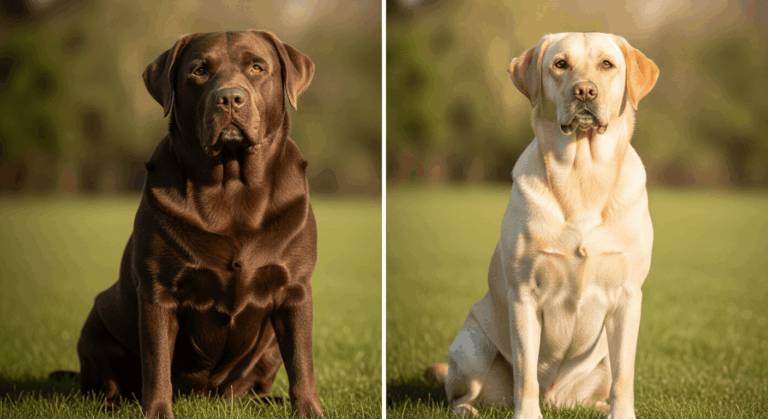
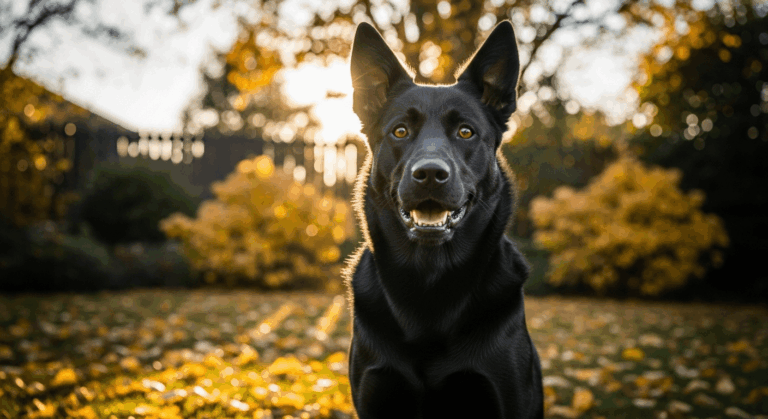
A dalmatian labrador mix is an athletic, short-coated cross whose parents weigh from 45 to 80 pounds. The American Kennel Club lists the Dalmatian at 19–24 inches and 45–70 pounds. On the Labrador side, males weigh 65–80 pounds and females 55–70.
No club writes a standard for this cross, so there is no “correct” size or coat. Two things matter more than the spots. The Dalmatian parent carries a known deafness risk, and both parents are high-energy dogs that shed.
Dalmador Is Not a Spotted Lab

Dalmador is the name you will see most. Dalmatian Lab mix and Labmatian mean the same dog: a Dalmatian crossed with a Labrador Retriever. The AKC does not register the dalmatian labrador mix as a breed under any name.
Spots are not a Lab color. The AKC recognizes black, yellow, and chocolate Labs only. Any spotting comes from the Dalmatian parent.
That makes the coat a lottery. A dalmatian labrador mix litter can include:
- Mostly white puppies with black or liver patches.
- Solid black puppies with a few white marks, looking almost like Labs.
- Puppies with heavy “ticking,” tiny flecks of color on a white or light base.
The crisp, even spots of a purebred Dalmatian are uncommon in first-generation crosses. Patches and ticking are more typical. No registry tracks coat odds for this cross, so any percentage you read online is made up.
Dalmatian puppies are born without spots, according to the AKC. Spots appear over the first weeks. The same slow reveal often happens in a dalmatian labrador mix. A white newborn may not stay white.
Parent history explains the rest. The Dalmatian worked as a carriage dog, running beside horse-drawn coaches and guarding the horses. The Lab’s job was fetching ducks and upland birds from water and cover. Both jobs needed stamina.
Shelters sometimes list a dalmatian labrador mix as a pointer mix or a “spotted Lab.” A DNA test can suggest ancestry, but read it as an estimate. If you are comparing spotted crosses, our pointer labrador mix guide covers another ticked, athletic cross with a different job.
Hearing
This is the section most roundups skip, and it matters most for a buyer.
The AKC states plainly that “deafness is present in the breed.” It says responsible Dalmatian breeders test the parents and test entire litters to be sure every puppy can hear. The Dalmatian Club of America lists BAER testing among its recommended health tests.
For a dalmatian labrador mix, the test to ask about is BAER, short for brainstem auditory evoked response. It is a painless test, usually done at around six weeks or later, that checks whether each ear responds to sound. The result is reported ear by ear.
The AKC also explains the two outcomes. A dog that hears in one ear can usually lead a fairly normal life. A dog deaf in both ears often cannot, and needs special training and care.
Does a dalmatian labrador mix inherit the risk? Nobody has measured it in this cross, and we will not invent a number. The risk comes from the Dalmatian side, and mostly white coats in other breeds are linked to hearing loss. That makes testing worth asking for.
Questions to ask any breeder:
- Were both parents BAER tested, and can I see the results?
- Was this litter BAER tested?
- Does this puppy hear in both ears?
A breeder who has never heard of BAER testing is a red flag.
At home, watch your dalmatian labrador mix for signs of hearing loss: a puppy that sleeps through noise, startles when touched, or ignores its name only when facing away. Your vet can refer you for a BAER test at any age.
Deaf dogs can live good lives with the right owner. They learn hand signals, and many respond to a vibrating collar. Plan for that before you buy a puppy that has not been tested.
Energy and Endurance

Both parents are built to go all day. The AKC calls the Dalmatian a strong, active athlete with great stamina and a wonderful partner for runners and hikers. The Lab is a high-energy retriever.
Plan for 60 to 90 minutes of activity for an adult dalmatian labrador mix each day. Split it into at least two sessions. A short walk will not settle this dog.
Good outlets:
- Running or biking beside you, once the dog is fully grown.
- Long hikes.
- Fetch and swimming.
- Agility, rally, or obedience classes.
- Scent games and puzzle feeders on bad-weather days.
Growth takes time. The AKC notes that a Dalmatian puppy’s bones and joints are not at full strength until about two years of age. Keep forced running and repeated jumping off the schedule for a growing puppy until your vet clears it. Until then, stick to sniff walks, tug, and games in the yard.
Bored, a dalmatian labrador mix tends to find its own work. Chewing, barking, digging, and fence-running are common signs of too little exercise.
A sample day for a grown dog might be a 40-minute run or bike ride at dawn, a short training session, a puzzle feeder at lunch, and fetch or a swim in the evening. Weekends are a good time for a long hike.
Recall deserves attention too. A dog with this much stamina can cover a lot of ground fast. Practice recall from the first week home, and keep a 30-foot long line on in open fields until the dog comes back every time.
Shedding and Skin
Short coats fool buyers. Both parents shed, and many owners say a short coat sheds more visibly because the hairs weave into fabric.
The Lab has a short, dense double coat with seasonal blows. The Dalmatian has a short, fine coat that sheds year-round. The dalmatian labrador mix usually lands on a short coat that sheds steadily.
Care is simple:
- Brush once or twice a week with a rubber curry or a horsehair mitt, as the AKC suggests for Dalmatians.
- Brush more during seasonal sheds.
- Trim nails at least monthly.
- Check and clean drop ears, especially after swims.
This cross is not hypoallergenic. Neither parent is a low-shedding breed.
Skin is worth watching on a mostly white dalmatian labrador mix. Pink skin under a thin white coat can sunburn, especially on the nose and belly. Limit midday sun in summer, and ask your vet about pet-safe sunscreen for exposed spots.
Allergies can show up as itchy skin, paw licking, or ear infections. Tell your vet if the dog scratches often.
Family and Stranger Temperament

The Lab is famously friendly. The AKC describes the Dalmatian as reserved and dignified, sometimes aloof with strangers, and a dependable watchdog. It notes the breed was bred to guard horses and coaches, and some of that protective instinct remains.
A dalmatian labrador mix can take either path. Many are outgoing and playful like a Lab. Others are loving with family and cool with strangers. Some are quick to bark at the door.
With family, both parents are known to be loyal and affectionate. The AKC calls Dalmatians bright, loyal, and loving house dogs with their preferred people.
Early socialization helps a dalmatian labrador mix a lot. Between about 8 and 16 weeks, introduce the puppy to calm adults, kids, dogs, and new places. Pair each new thing with food. Keep going through the teenage months.
Kids and this cross can get along well, especially older kids who like to play fetch or run. The size and energy can be too much for toddlers. A deaf or partly deaf dog can also startle when touched from behind, so teach kids to approach from the front.
Alone time needs practice too. Both parents are people-oriented, and a busy, bored dog left for long days may bark or chew. Build up time alone slowly, starting with a few minutes, and leave a chew toy or puzzle feeder.
Training is usually straightforward. Both parents are smart. Use short, reward-based sessions, and keep them fun. A sensitive dog responds poorly to harsh corrections.
Health Papers Without a Fake Mix Rate
No health study exists for the dalmatian labrador mix itself. The questions come from the parents.
Hearing is covered above. The second Dalmatian question is urinary stones.
The AKC notes kidney stones are present in the breed and says a breeder or vet can advise on diet. Dalmatians process uric acid differently from most dogs, which raises the risk of urate stones. VCA Animal Hospitals explains the signs of bladder stones, including straining to urinate, blood in the urine, and frequent small trips outside.
A DNA test for this uric acid trait exists. Ask whether the Dalmatian parent was tested. Tell your vet your dog is a dalmatian labrador mix so they can watch for stones and advise on water intake and diet.
Joints come from both sides. The Dalmatian Club of America recommends hip evaluations. On the Lab side, ask for hip, elbow, and eye results too.
Keep a dalmatian labrador mix lean. Extra weight strains joints, and the Lab parent adds a strong appetite.
Lifespan has no firm number. The AKC lists both the Dalmatian and the Lab at 11–13 years. No formal data exists for the cross.
FAQ
Are they born with spots?
Usually not. Dalmatian puppies are born white, and spots appear over the first weeks. A dalmatian labrador mix puppy may develop patches, ticking, or very few marks at all.
Are they deaf?
Most are not, but deafness is present in the Dalmatian breed. Ask for BAER hearing test results on both parents and on the puppy. A breeder who tested the whole litter will have a printout for each ear.
How big are they?
Usually medium to large, a dalmatian labrador mix lands somewhere between the parents. The parents span about 45 to 80 pounds and 19 to 24.5 inches. There is no standard for the cross.
Are they good family dogs?
Often yes, for active families. They are loyal and playful but need a lot of exercise. Older kids tend to be a better match than toddlers.
In short, a dalmatian labrador mix is a striking, energetic dog with one question a buyer must ask: can this puppy hear? Get the test results, plan the daily exercise, and expect hair on everything.
If you want a lower-energy option, look through our Labrador mixes. The Labrador Retriever breed guide explains what the retriever parent adds.