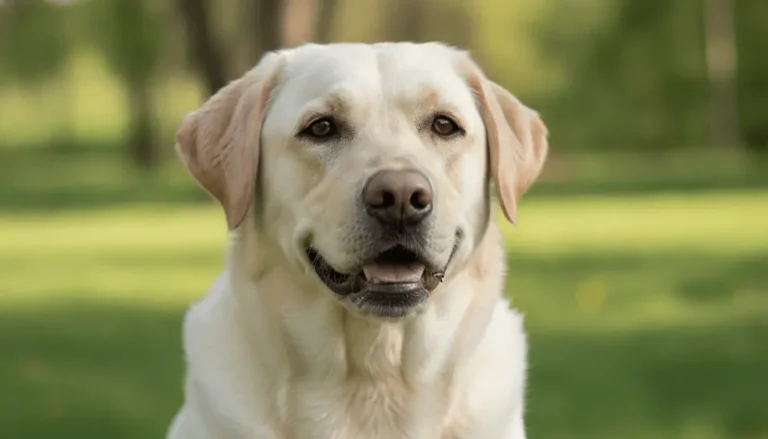
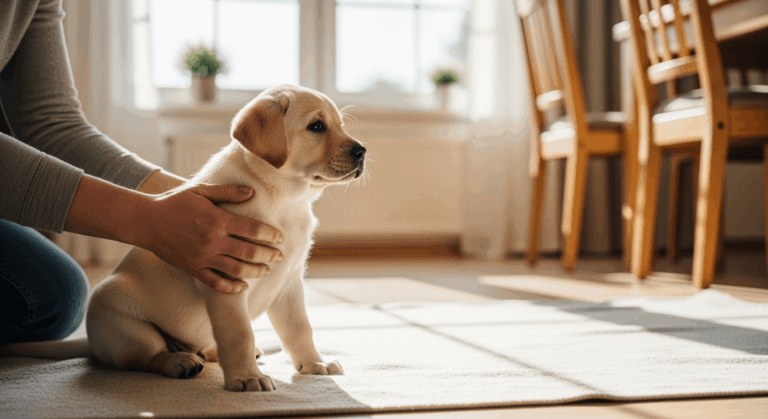
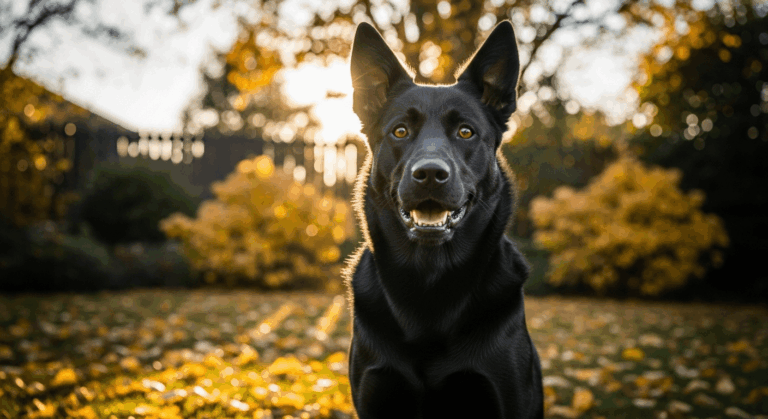
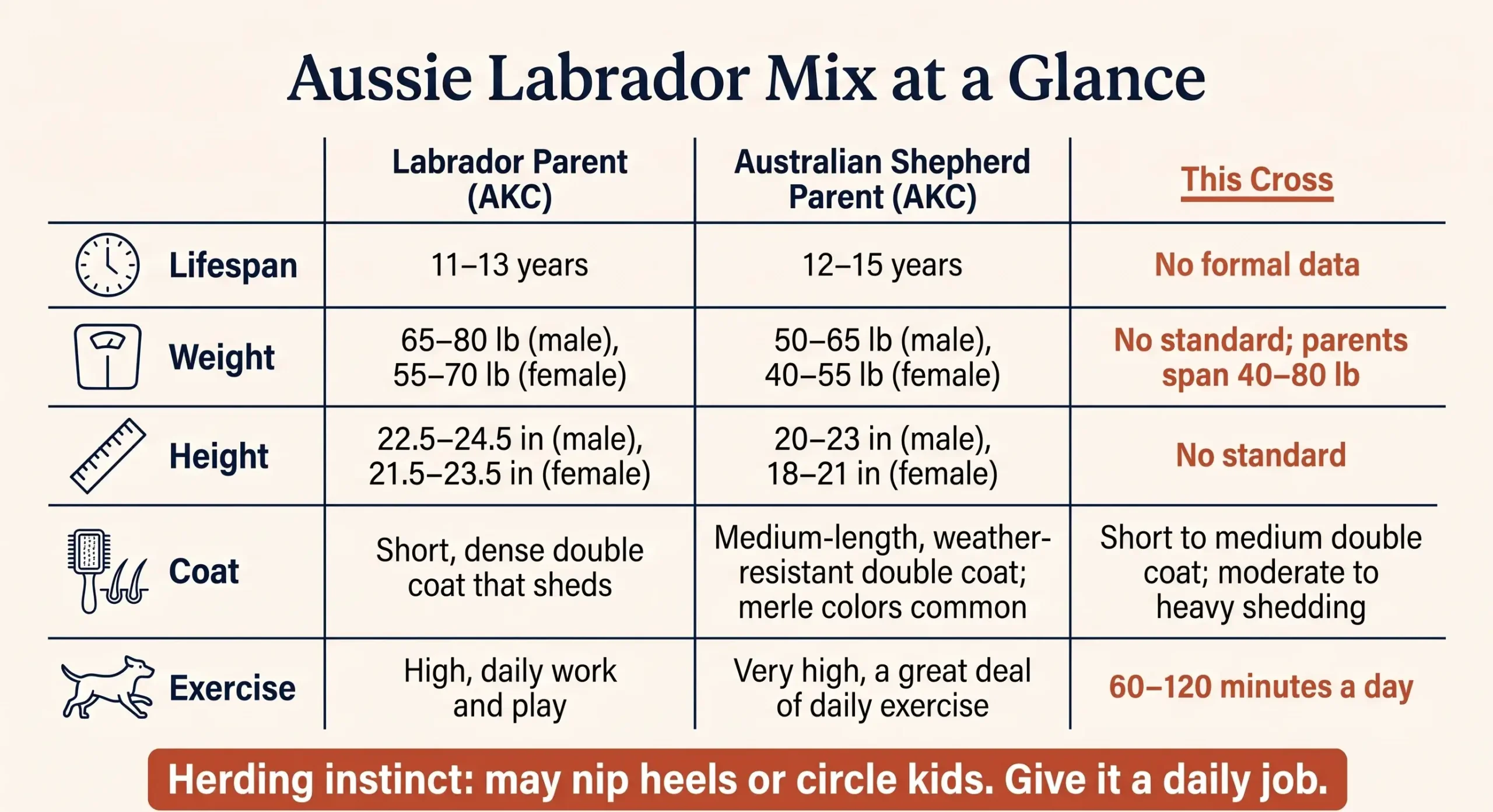
An aussie labrador mix is a medium-to-large, high-energy cross of two working breeds, and its parents weigh from 40 to 80 pounds. The American Kennel Club lists Australian Shepherd males at 50–65 pounds and females at 40–55. On the Labrador side, males run 65–80 pounds and females 55–70.
No kennel club sets a standard for this cross, so the parent ranges are the only honest numbers. What most buyers miss is the herding side. An aussie labrador mix may try to round up kids, cats, and bikes, and it needs far more than a daily walk.
Aussiedor Versus a Heeler Mix
Aussiedor is the name you will see most. Australian Shepherd Lab mix and Aussie-Lab mean the same thing. None of them is an AKC breed.
People often lump this dog in with the blue heeler lab mix. They are different crosses. The heeler is an Australian Cattle Dog, a compact, short-coated drover built to move cattle by nipping at their heels. The Australian Shepherd is a different breed with a longer coat and a different working style.
Despite the name, the Australian Shepherd was developed in the American West. The AKC notes it became the cowboy’s herding dog of choice and grew popular through rodeos, horse shows, and film after World War II.
Here is how the two crosses usually differ:
- Coat: a heeler cross is usually short-coated. An aussie labrador mix often has a medium-length, feathered coat.
- Color: heeler crosses tend toward blue or red speckling. Aussie crosses can be merle, black, red, or tricolor.
- Build: heeler crosses are often compact and dense. Aussie crosses are often a little lighter and longer-haired.
- Style: both herd. Heelers are known for firm, heel-nipping drive. Aussies are known for gathering and circling.
Both are working crosses that need a job. Neither is a relaxed couch dog.
Looks vary inside a single aussie labrador mix litter. One puppy may have a merle coat and a blue eye. A littermate may be solid black with a Lab’s short jacket. Size, ears, and coat length can split the same way, so pick the puppy for temperament, not color.
A shelter label will not always sort this out. A merle dog with a Lab face is often listed as an Aussie mix. A speckled blue dog may be listed as a heeler mix. A DNA test can suggest ancestry, but treat it as an estimate.
Coat, Merle, and Shedding
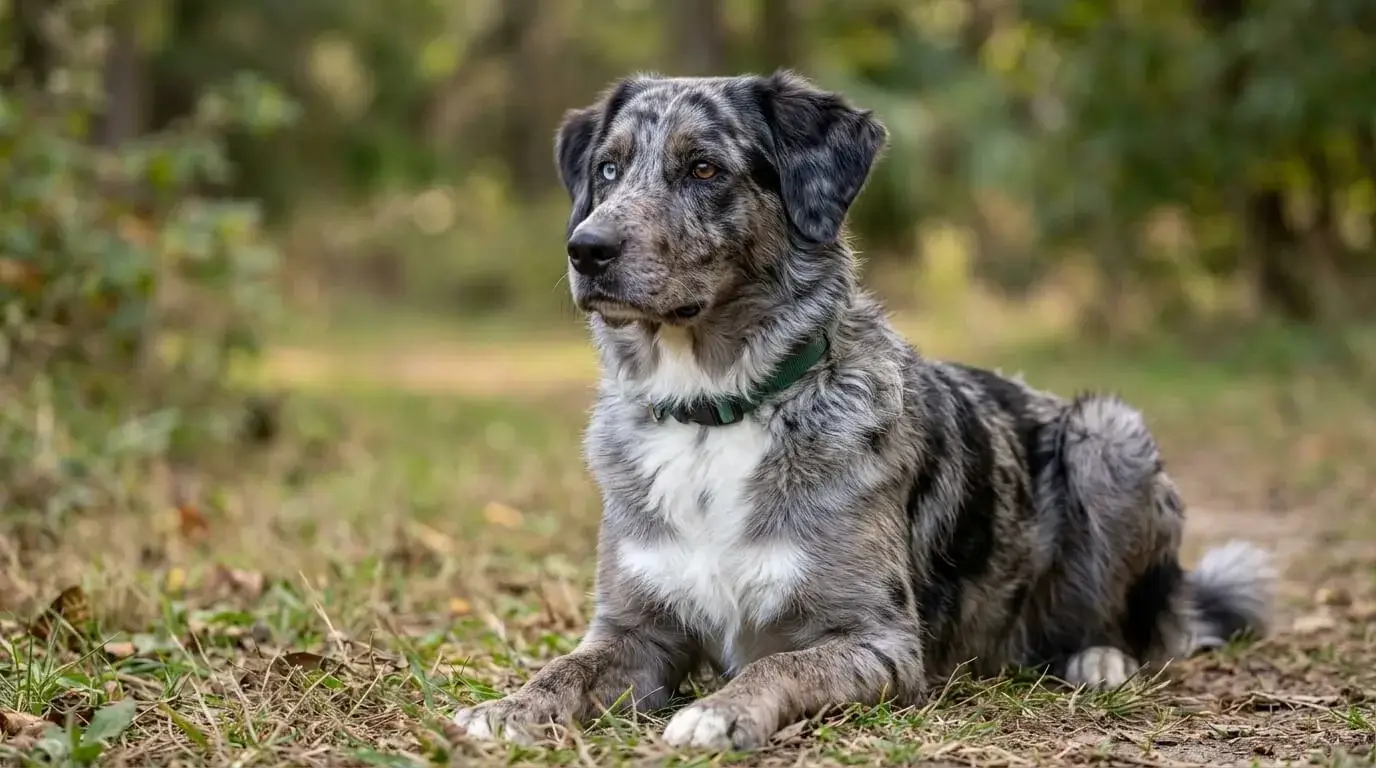
Both parents shed. The Lab has a short, dense double coat. The Aussie has a medium-length, weather-resistant double coat with feathering on the legs and a ruff.
A typical aussie labrador mix grows a medium-length coat with some feathering. Colors vary. Labs come in black, yellow, and chocolate. Aussies come in black, red, blue merle, and red merle, often with white and tan trim.
Merle is the color people ask about most. It is a mottled pattern, with patches of darker color on a lighter base of the same shade. The AKC describes merle as contrasting shades of blue or red. Merle dogs sometimes have blue eyes or two different eye colors.
Merle has a health side. Breeding two merle dogs together can produce puppies with serious hearing and vision problems. Responsible Aussie breeders avoid merle-to-merle pairings for that reason.
The Lab parent does not carry merle. That means a first-generation aussie labrador mix, from a purebred Lab and a purebred Aussie, cannot be a double merle. Second-generation litters, from two merle crosses, can be. Ask about both parents’ colors before you buy.
Shedding is moderate to heavy, with heavier seasonal sheds. A good grooming routine:
- Brush two or three times a week with a slicker brush and an undercoat rake.
- Brush daily during spring and fall sheds.
- Check the feathering behind the legs and ears for mats.
- Trim nails every few weeks.
No aussie labrador mix is hypoallergenic, whatever a seller says. Both parents shed, and the undercoat ends up on floors, furniture, and clothes.
Nipping Heels and Chasing Motion
This is the section most roundups skip, and it is the one that shapes daily life.
The AKC says Aussies have “an irresistible impulse to herd, anything: birds, dogs, kids.” Your aussie labrador mix may inherit that drive, and the Lab parent does not cancel it.
At home, herding looks like this:
- Circling or bumping family members toward a spot.
- Chasing bikes, joggers, cars, or running children.
- Nipping at heels or clothing during play.
- Staring down the cat.
None of this is aggression. It is a working instinct with no job to do. It still needs management, because a nip on a child’s ankle is a problem whatever the reason.
Redirect the instinct instead of trying to erase it:
- Teach a solid “leave it” and “come” early.
- Give the dog a legal outlet, such as a herding ball or flirt pole.
- Keep play with kids structured. Fetch works better than chase games.
- Reward calm behavior when things move nearby.
Supervise young kids around an aussie labrador mix puppy. Running and shrieking trigger the instinct. Teach children to stand still, fold their arms, and look away if the dog starts to nip.
Motion sensitivity also matters on walks. A dog that lunges at bikes needs distance, rewards, and practice, not punishment.
Exercise and a Job
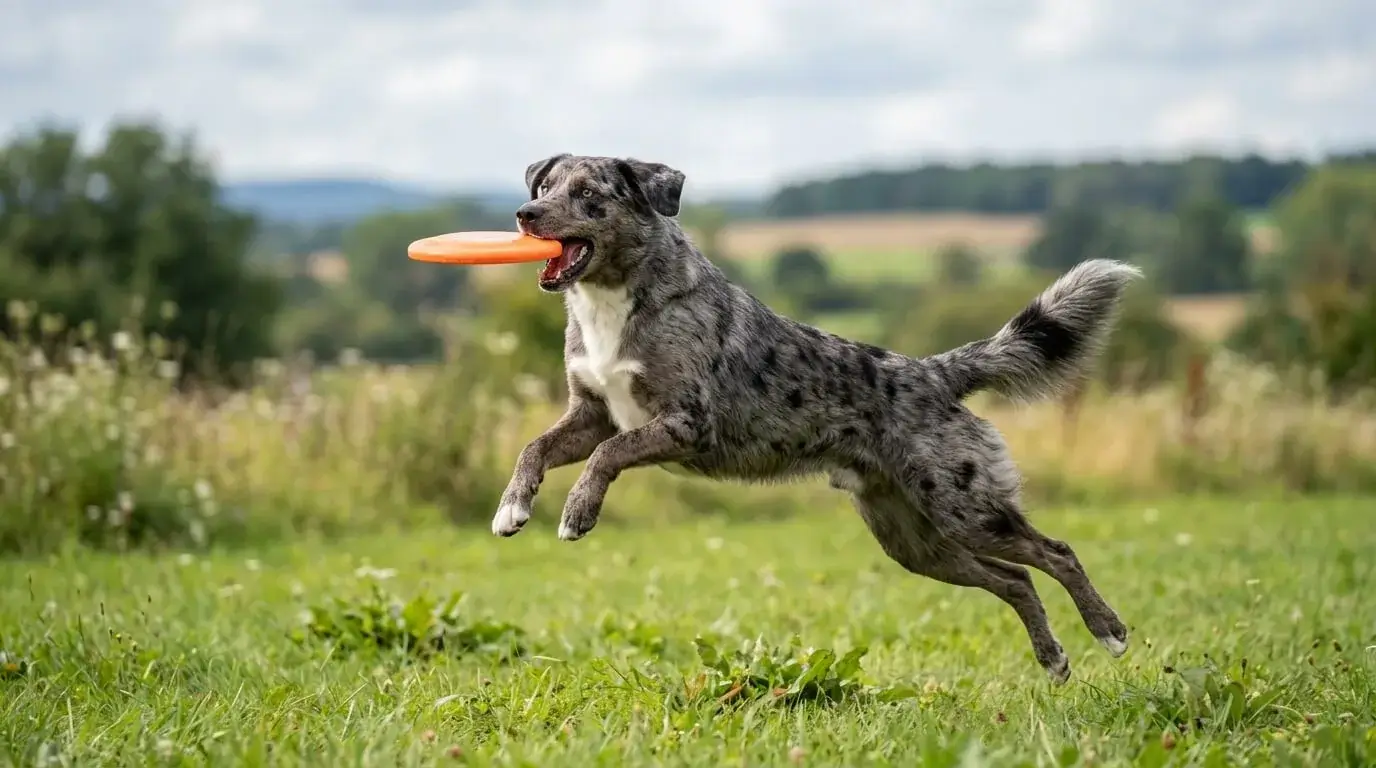
This is not a dog that settles after a stroll. The AKC says the Aussie needs “a great deal of exercise on a daily basis,” at minimum an hour or two in a large fenced yard. Labs are high-energy too.
Plan for 60 to 120 minutes of activity for an adult aussie labrador mix each day. Split it into at least two sessions.
A sample weekday for a grown dog:
- A 40-minute morning walk or jog.
- Ten minutes of training before work.
- A puzzle feeder at lunch.
- A 30-minute fetch or frisbee session in the evening.
- A short sniff walk before bed. Our guide to how much exercise a Lab needs covers the retriever baseline. Expect the Aussie side to push it higher.
Physical exercise alone is not enough. Both parents were bred to work with a person. A tired body with a bored brain still finds trouble.
Good jobs for this cross:
- Fetch and frisbee in a fenced field.
- Agility, rally, or obedience classes.
- Herding lessons, if a local club offers them.
- Hiking and swimming.
- Scent games and puzzle feeders on rainy days.
The AKC suggests giving the Aussie a real job, from herding to dog sports. That advice fits the mix well.
A Belgian Malinois Lab cross usually needs even more work. A Catahoula Lab cross brings similar drive with a tougher, more independent streak.
Puppies need a gentler plan. Hold off on jogging and agility jumps until your vet confirms the joints are mature, often around 12 to 18 months for a dog this size. Short training sessions and free play are enough early on.
Without enough work, this cross often becomes a nuisance. Expect barking, digging, chewing, and herding the household. An under-exercised aussie labrador mix is the most common reason these dogs land in rescue.
Eyes and Hips: Parent Questions
No formal health study exists for the aussie labrador mix, so the health questions come from the parents.
The AKC says responsible Aussie breeders test for hip dysplasia, epilepsy, cataracts, and certain cancers. The Australian Shepherd club recommends hip, elbow, and eye evaluations. Lab breeders commonly screen hips, elbows, and eyes too.
Ask the breeder for:
- Hip and elbow results on both parents.
- A recent eye exam by a veterinary ophthalmologist on both parents.
- Both parents’ coat colors, so you know if a double merle is possible.
Epilepsy has no simple test. Ask if any relatives had seizures.
One more Aussie-side question is drug sensitivity. Australian Shepherds are among the herding breeds that can carry the MDR1 gene mutation, which makes some common medications dangerous. A cheek-swab test answers it. Ask your vet whether to test your dog before it needs certain dewormers or sedatives.
Keep your aussie labrador mix lean. Extra weight strains the joints of any active dog, and the Lab parent adds a big appetite.
Lifespan has no firm number for the cross. The AKC gives Aussies 12–15 years and Labs 11–13. No formal data exists for an aussie labrador mix.
First-Time Owners Need a Training Plan
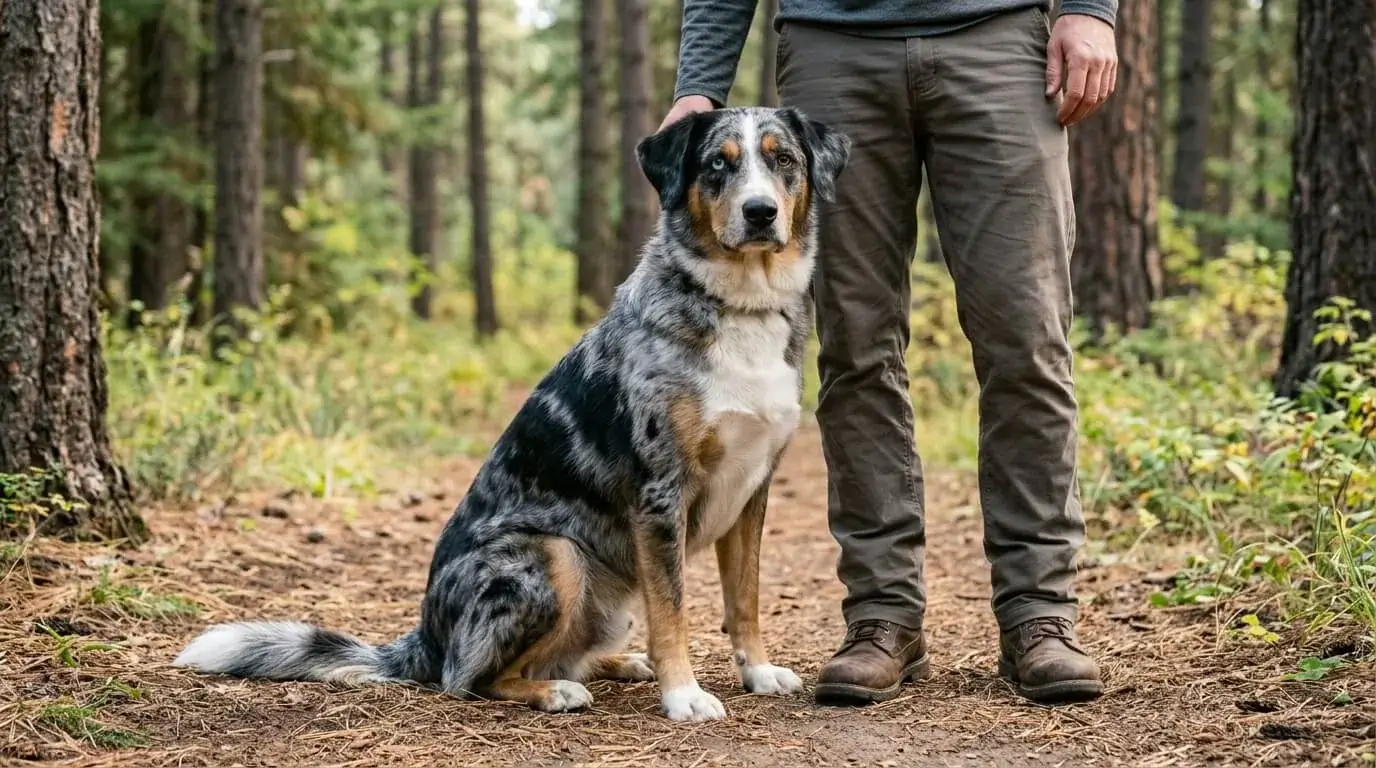
For a first-time owner, an aussie labrador mix can work, but only with a plan. Smart, fast-learning dogs pick up bad habits as quickly as good ones.
Before you bring one home, line up:
- A puppy class and a follow-up obedience class.
- 60 minutes or more of daily exercise, in every season.
- A fenced yard or safe off-leash space.
- A plan for the herding instinct around kids and pets.
- Time for grooming a few times a week.
This cross is a hard fit if you work long hours, live in a small apartment with no nearby space, or want a low-key dog. It is a great fit for an active family that wants a partner for hikes, sports, and training.
Start with a few basics in the first weeks home: name response, sit, down, a hand-target, and “leave it.” Add a reliable recall next. Those five or six cues handle most daily herding moments.
Short, daily training sessions with food rewards work best. Both parents learn quickly and respond to praise. Harsh corrections can make a sensitive herding dog anxious.
Adult rescues are worth a look. A grown aussie labrador mix already shows its energy level and herding style, which a puppy cannot.
FAQ
Are they the same as a blue heeler lab mix?
No. A blue heeler lab mix has an Australian Cattle Dog parent. An aussie labrador mix has an Australian Shepherd parent. Both herd, but they differ in coat, color, and build.
Do they shed?
Yes, moderately to heavily. Expect seasonal sheds in spring and fall. Brushing a few times a week keeps it manageable.
Are they good with kids?
Often yes, with training and supervision. The herding instinct can lead to nipping and chasing, so structured play and clear rules help. Older kids usually do better than toddlers.
How big is an aussie labrador mix?
Usually medium to large. The parents span about 40 to 80 pounds and 18 to 24.5 inches. There is no standard for the cross, so expect a range.
In short, an aussie labrador mix is a smart, athletic dog with a herding brain. Give it work, structure, and plenty of exercise, and it rewards you with a keen partner.
Browse our other Labrador mixes if you want a calmer option. The Labrador Retriever breed guide explains what the retriever parent adds to the mix.