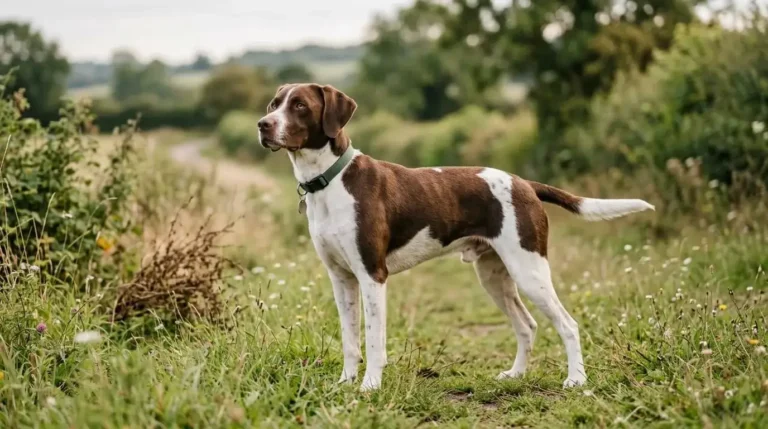
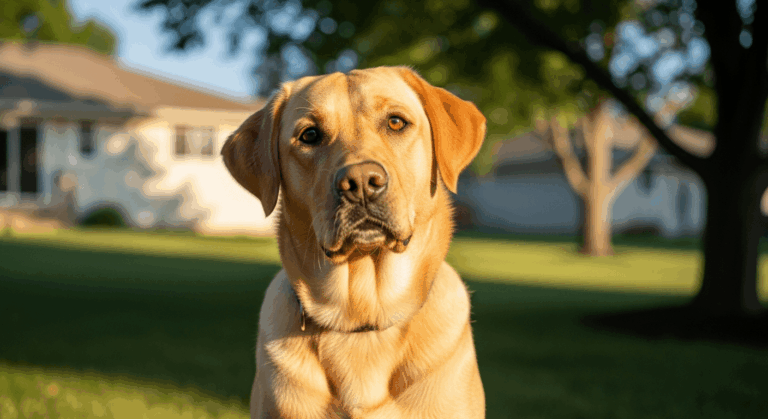
A labrador chow mix is a sturdy, thick-coated cross whose parents weigh between 45 and 80 pounds. The American Kennel Club lists the Chow Chow at 17–20 inches and 45–70 pounds. The Labrador Retriever stands taller, and Lab males weigh 65–80 pounds.
No club publishes a standard for this cross, so any size you read is a guess. The bigger unknown is personality. A labrador chow mix may be as social as a Lab, or as reserved as a Chow, and no seller can promise which.
What Owners Mean by Chabrador
Chabrador is the name you will see most. Chow Chow Lab mix and Lab-Chow mean the same dog: a Chow Chow crossed with a Labrador Retriever. Every one of them is a crossbreed, so no kennel club registers it as a breed under any of those names.
The Chow is one of the oldest breeds on record. It appears in artifacts from China’s Han Dynasty, around 206 B.C., according to the AKC breed history. It worked as an all-purpose dog: guarding, hauling, and hunting. The Lab came from Newfoundland and was bred to retrieve for hunters.
Those jobs produced very different temperaments. The kennel club calls the Chow “dignified, serious-minded, and aloof.” Its Lab page calls the retriever famously friendly.
Most listicles smooth this over. They say the Lab parent “balances” the Chow.
That is a hope, not a rule. Genes do not average out like paint, and a single labrador chow mix puppy can take most of its temperament from one side.
Shelters see many of these dogs. A thick-coated, curly-tailed black or red dog in a rescue listing is often labeled “Chow mix” or “Lab mix” with no paperwork. A DNA test can suggest the parents. Treat it as a clue, not a guarantee.
Look for the blue-black tongue as a hint in a labrador chow mix. It is a Chow trait. Many crosses show a spotted tongue instead, and some show none.
Puppies can fool you. A fluffy eight-week-old may shed its puppy coat into a short, Lab-like jacket. A sleek pup may grow a ruff by its first birthday. Meet both parents if you can, since adult looks tell you more than puppy photos.
Coat, Mane, and Shedding
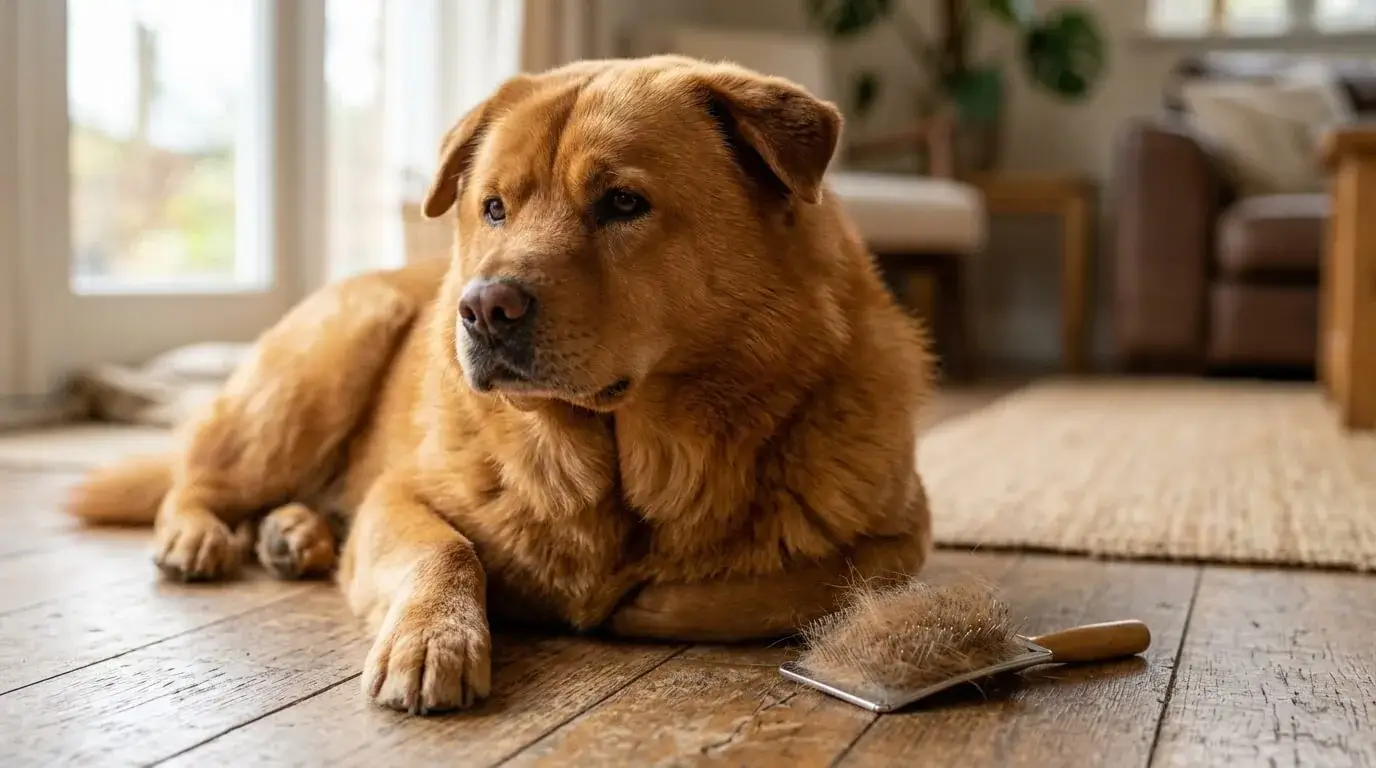
Both parents carry a double coat, so the labrador chow mix is a shedder. The only question is how much.
The Lab coat is short, dense, and water-resistant. The Chow coat comes in two types, rough and smooth. The rough coat is long and stands off the body, with a lion-like ruff around the head and shoulders. The smooth coat is shorter and harder.
A typical labrador chow mix lands between the parents: a medium-length, very dense coat, often with a partial ruff. Colors reflect both sides. Chows come in red, black, blue, cinnamon, and cream. Labs come in black, yellow, and chocolate.
Expect heavy shedding twice a year when the undercoat blows, plus steady shedding in between. Our guide to how much Labs shed explains the retriever half. The Chow half adds more volume.
A weekly grooming plan:
- Brush two or three times a week with a slicker brush and an undercoat rake.
- Brush daily during a seasonal blow.
- Check behind the ears and under the legs for mats.
- Dry the coat fully after baths or swims, since a damp undercoat can lead to hot spots.
Never shave a labrador chow mix to “help” in summer. A double coat insulates against heat as well as cold, and it may grow back unevenly.
This cross is not hypoallergenic. Neither parent is a low-shedding breed, so no labrador chow mix is a fit for a home with dog allergies.
Budget for the coat. A heavy double coat means a good rake, a slicker brush, and possibly a professional de-shedding session each spring. Some owners book a groomer for the seasonal blow and handle the weekly brushing themselves.
Strangers and Other Dogs
This is where a labrador chow mix most often surprises new owners.
The breed club puts it plainly. Chows are “aloof with strangers and eternally loyal to loved ones.” On the AKC trait scale, it is rated “Not Recommended” with other dogs and with young children. Those are the breed’s own ratings, not an outside warning.
The Lab is the opposite. It greets strangers, plays with most dogs, and tolerates kids well.
Your labrador chow mix may land anywhere between those two. Some Chabradors are social butterflies. Others love their family and ignore everyone else. A few become defensive with strangers or with other dogs as they mature.
Socialization is the tool that shifts the odds. Well-socialized Chows are “never fierce or intractable,” per the same breed page. That sentence puts the weight on the owner.
A practical socialization plan:
- Between about 8 and 16 weeks, let the puppy meet calm adults, kids, and vaccinated dogs.
- Pair each new person, sound, and place with food.
- Keep going through the second year, when reserve often sharpens.
- Never force a greeting. Let the dog approach, then reward.
Watch body language with other dogs. Stiffness, staring, and growling over toys or food are early signs. Bring in a certified trainer at the first sign, not after a fight.
Training style matters as much as timing. Chows are independent thinkers, and Labs are eager to please. A labrador chow mix may learn a cue quickly and then decide whether it is worth doing today.
Short sessions, high-value food rewards, and calm consistency work. Harsh corrections tend to backfire with an independent dog.
Kids need rules too. A dignified, independent dog may not enjoy hugs, climbing, or being chased. Teach children to let the dog come to them. Supervise every visit from friends.
Exercise and Heat
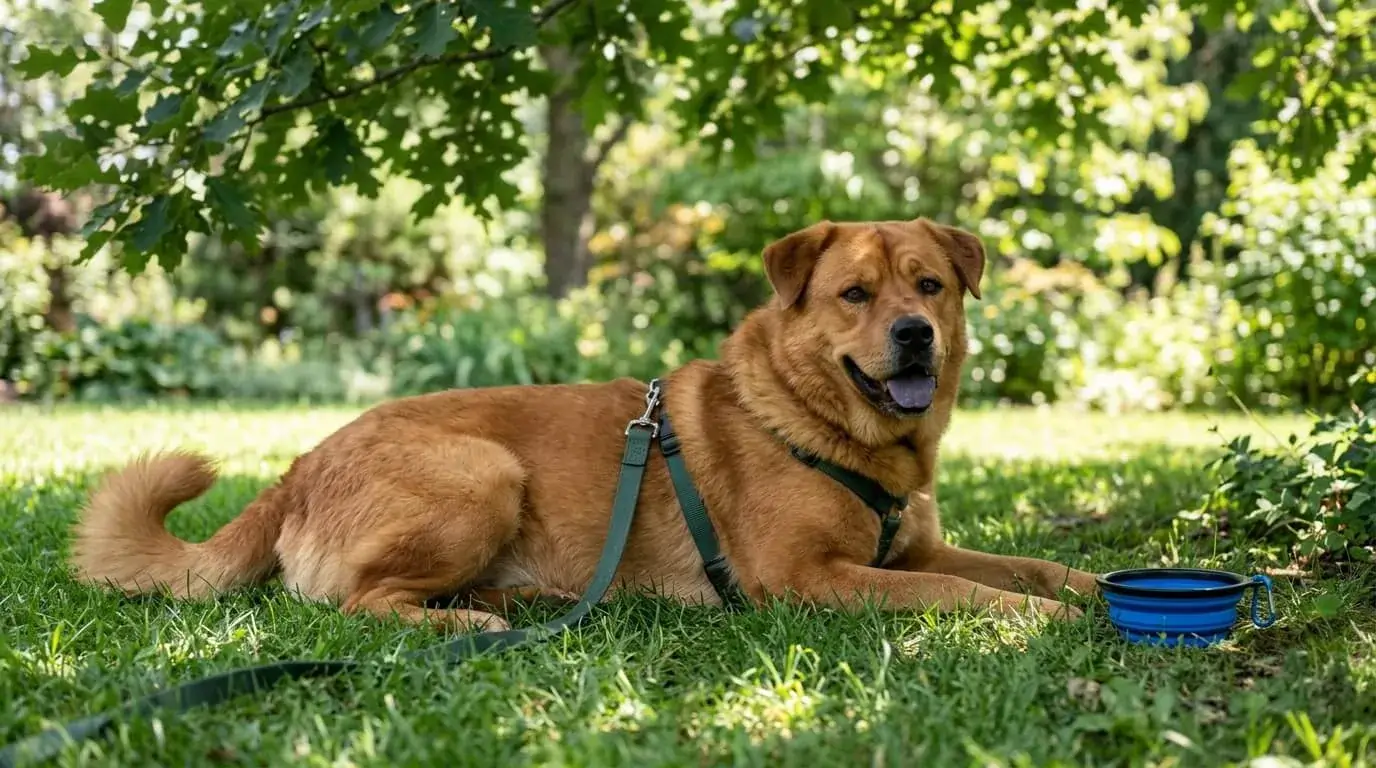
The two parents want very different amounts of exercise. Chows have “no special exercise needs” and adapt well to city life, per the AKC. The Lab is a high-energy athlete.
Most adults of this cross need 45 to 60 minutes of activity a day. That can be two walks plus a play session or short training. A Lab-leaning dog may want more running. A Chow-leaning dog may be happy with brisk walks.
Heat is the real limit. The Chow “does not tolerate high heat or humidity well,” and its breed page recommends avoiding exercise during hot parts of the day. A thick coat and a stocky body make that true for many a labrador chow mix too.
In a US summer, that changes the routine:
- Walk early in the morning and after sunset.
- Test pavement with the back of your hand. If it is too hot to hold for seven seconds, it is too hot for paws.
- Carry water on every walk.
- Choose shade and grass over asphalt.
- Skip fetch marathons on humid afternoons.
Know the warning signs of overheating in a labrador chow mix: heavy panting, thick drool, a bright red tongue, stumbling, or vomiting. Move the dog to shade, offer water, and call a vet if signs do not ease quickly. Heatstroke is an emergency.
Mental work keeps a labrador chow mix settled too. Puzzle feeders, scent games, and short training sessions tire a dog without adding heat stress. Both parents are smart, and a bored dog of either type finds its own projects.
Puppies of this cross need gentle exercise. Short walks and free play on soft ground are enough while the joints grow.
Health Questions for Both Parents
No mix-specific health study exists for the labrador chow mix. The useful questions come from the parents.
Chow health issues on the AKC list include eyelid entropion, hip dysplasia, elbow dysplasia, allergies, and thyroid function. Labs share the hip and elbow concern.
Entropion is the Chow-side question most buyers never hear. It is a condition where the eyelid rolls inward and the lashes rub the eye. VCA Animal Hospitals explains that it can cause pain, squinting, and damage to the cornea, and that surgery is the usual fix.
Ask whether the Chow parent has had eye exams by a veterinary ophthalmologist. Watch your labrador chow mix puppy for squinting, tearing, or pawing at the eyes.
Hips and elbows come from both sides. Ask for hip and elbow evaluations on both parents. Keep your dog lean, since extra weight speeds joint wear.
Skin and allergies are worth watching. A dense coat can hide itchy skin, hot spots, or ear infections. Part the fur during brushing and look at the skin.
Thyroid is another Chow-side item on that list. Low thyroid can cause weight gain, low energy, and coat changes. Your vet can test for it with bloodwork.
Lifespan has no firm number. The AKC gives Chows 8–12 years and Labs 11–13. No formal data exists for a labrador chow mix.
Who This Dog Suits
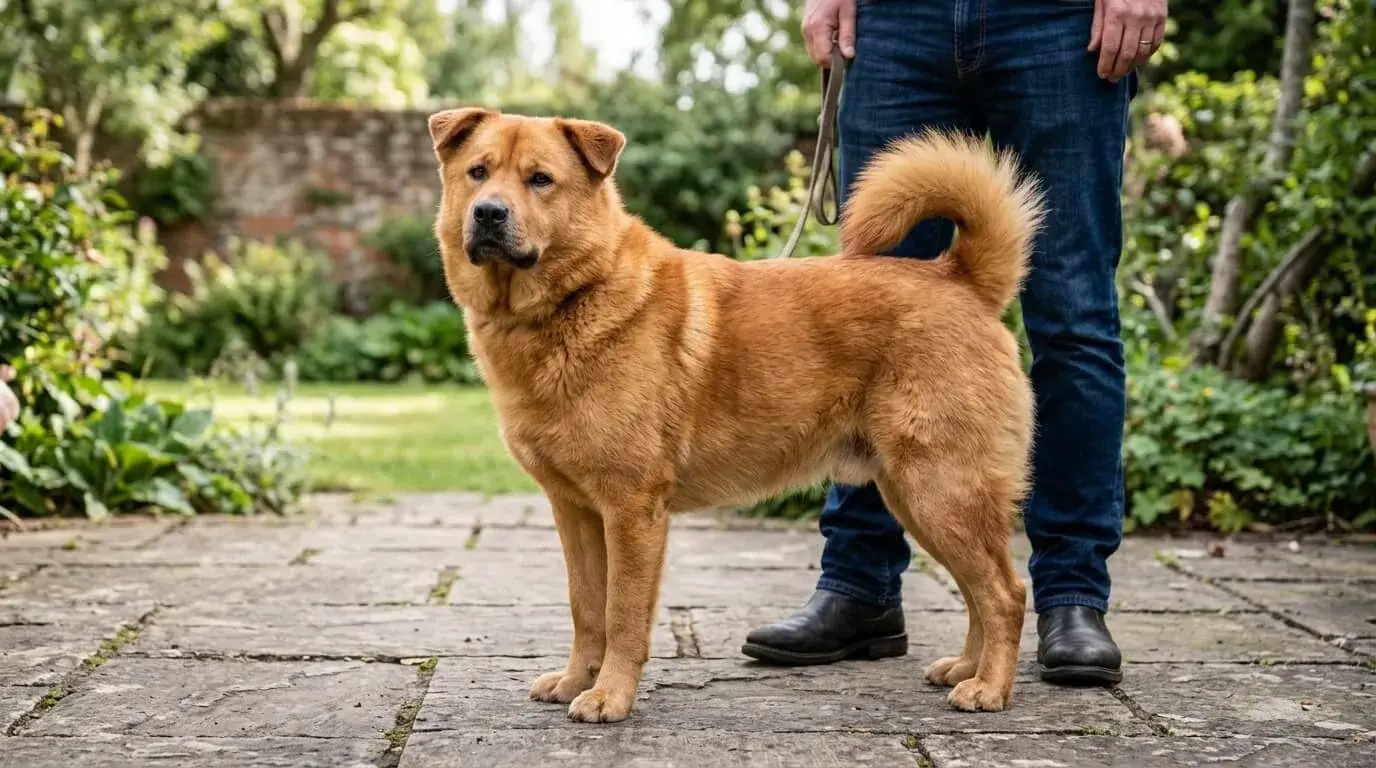
In the right home, a labrador chow mix can be a calm, loyal, clean house dog. Chow owners say the breed housebreaks easily, a point the AKC repeats. The right home matters more than the name on the listing.
This cross tends to suit:
- Adults or families with older, dog-savvy kids.
- Owners who want a moderate-energy dog, not a running partner.
- Homes in cooler climates, or owners ready to plan around summer heat.
- People who enjoy regular grooming.
- A one-dog household, or a home with a calm opposite-sex dog.
It is a harder fit for:
- Busy homes with frequent visitors and young children.
- Owners who want a dog-park regular.
- Anyone who wants a dog that loves every stranger.
- Hot, humid areas where the dog would spend long hours outside.
If you want a guaranteed social butterfly, look at our other Labrador mixes or a purebred Lab. The akita labrador mix is a similar story: a spitz-type guardian parent paired with a friendly retriever, and the same need for early socialization.
Adopting an adult labrador chow mix takes the guesswork out. A rescue can tell you how a grown Chabrador behaves with strangers, dogs, and kids.
FAQ
Are they aggressive?
Not by default. This cross may be reserved with strangers or selective with other dogs, since the Chow parent tends to be. Early socialization makes a big difference. Get help from a trainer at the first sign of guarding or growling.
Do they shed a lot?
Yes. Expect steady shedding and heavy seasonal blows. Brushing a few times a week, and daily during a blow, keeps hair under control.
Are they good with kids?
Often good with their own family’s older kids when raised together. Young children and rough play are a harder match. Supervise, and teach kids to let the dog come to them.
Is a labrador chow mix recognized by the AKC?
No. The AKC recognizes the Chow Chow and the Labrador Retriever as separate breeds. The cross cannot be registered as a breed.
In short, a labrador chow mix is a thick-coated, loyal dog that may keep the Chow’s reserve. Plan for socialization, grooming, and summer heat before you bring one home.
To see what the retriever side brings, read the Labrador Retriever breed guide. It explains why the Lab parent adds energy and appetite, and why it cannot promise a friendly adult on its own.